
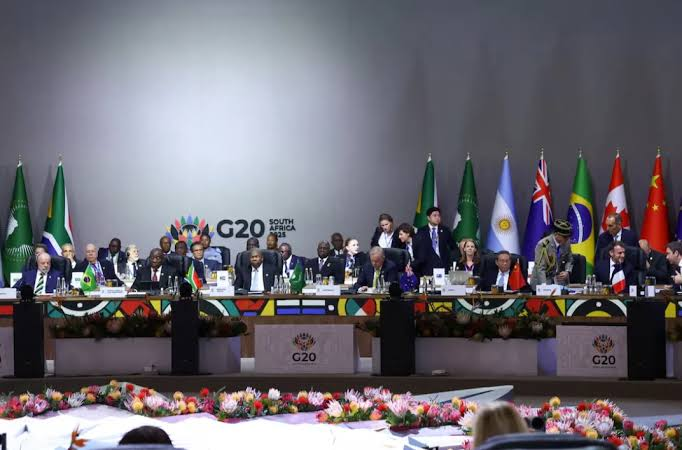
The G20 summit in Johannesburg is ending on a tense note as South Africa and the United States clash over the handover of the bloc’s rotating presidency. South Africa refused to proceed with the traditional ceremony after the U.S. attempted to send what it considered a lower-level diplomat instead of a senior representative.
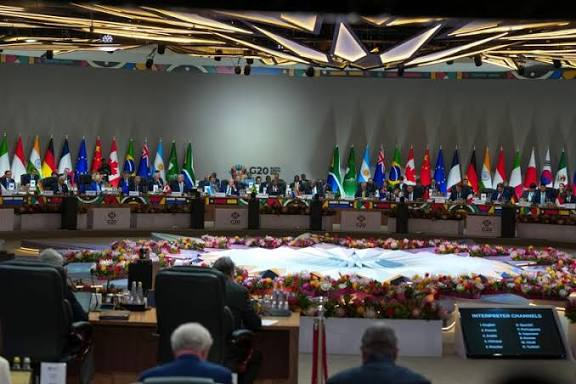
The U.S. skipped the two-day summit altogether after the Trump administration accused South Africa of violently persecuting its Afrikaner white minority. Despite its absence, the United States is scheduled to assume the G20 presidency for 2026 and plans to host next year’s summit at President Donald Trump’s golf club in Doral, Florida.
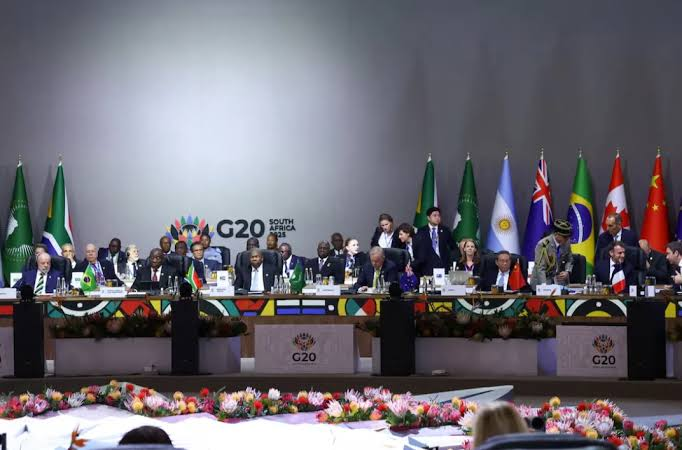
South Africa argued that the handover must be done by a head of state, a special presidential envoy, or at least a cabinet-level minister—not a junior embassy official. Foreign Minister Ronald Lamola said the U.S. was free to participate, but only “at the right level.” With no agreement reached, South Africa said the handover would likely take place later at its foreign ministry.
The disagreement reflects a deeper diplomatic rift. South Africa said the U.S. reversed course and sought to attend the summit at the last minute, while the White House insisted it would only appear for the handover ceremony. The exchange grew sharper when the White House press secretary accused President Cyril Ramaphosa of “running his mouth” about the United States.
Breaking with tradition, South Africa released the final G20 leaders’ declaration at the start of the summit instead of waiting until the end. The declaration highlighted issues such as climate change, debt relief, and financial support for developing nations—priorities that the United States opposed. Argentina also rejected the document, with President Javier Milei skipping the summit entirely.
Even so, major powers including China, Russia, France, Germany, the United Kingdom, Japan, and Canada supported the declaration. The document called for more global attention to climate-related disasters, easing the debt burdens of poorer nations, and supporting transitions to green energy. Still, several proposals championed by South Africa were omitted, including the idea of creating a global panel on wealth inequality similar to the UN’s climate panel.
Questions also arose about the G20’s ability to address major global conflicts. The 122-point declaration made only a brief reference to the war in Ukraine, and leaders appeared unable to find common ground on the crisis. French President Emmanuel Macron noted that while hosting the summit in Africa was historic, the bloc continued to struggle with unified action on geopolitical disputes.
Despite the tensions, activists said the Johannesburg summit marked a symbolic shift, placing the struggles of poorer countries at the center of global discussions. For the first time, inequality and development challenges were presented as top priorities rather than side issues.
Namibian President Netumbo Nandi-Ndaitwah emphasized that including African perspectives was long overdue, especially for nations still navigating poverty, debt, and limited resources. More than 20 smaller nations attended the summit as guests, reflecting a broader push to give the Global South a stronger voice.
Visit MDNtv YouTube Channel for our video content