
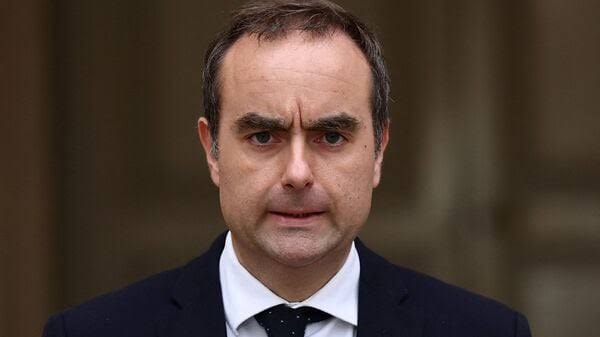
France has been thrown into fresh political turmoil as Prime Minister Sébastien Lecornu stepped down less than a month after taking office. His resignation came only hours after unveiling his cabinet, which faced fierce criticism from across the political spectrum.
“The conditions were not fulfilled for me to carry on as prime minister,” Lecornu said, accusing political parties of refusing to compromise and putting partisan interests above the country’s needs. His departure followed an hour-long meeting with President Emmanuel Macron at the Elysée Palace.
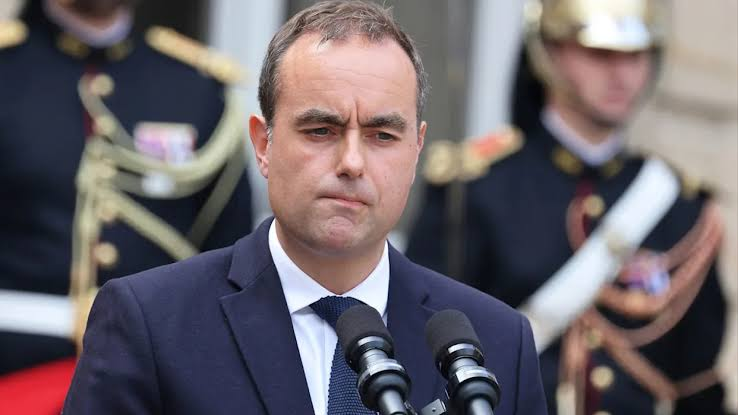
Lecornu’s short-lived government marked the fifth prime ministerial change in under two years. His cabinet, largely unchanged from that of his predecessor François Bayrou, faced threats of a no-confidence vote from opposition parties.
France has been struggling with deep political divisions since snap parliamentary elections in 2024 produced a fragmented National Assembly, leaving Macron without a clear majority. The deadlock has made it nearly impossible to pass key legislation.
As pressure mounts, President Macron faces three choices: appoint another prime minister, dissolve parliament and call new elections, or resign himself—the latter being the least likely. Many analysts believe fresh elections are inevitable, though they could deliver sweeping gains to Marine Le Pen’s far-right National Rally.
Lecornu, who previously served as armed forces minister, denounced the “partisan appetites” of political factions, saying he had been ready for compromise but found “all parties behaving as if they had absolute majorities.”
Following his resignation, French markets tumbled, with investors alarmed by the worsening political instability and France’s high public debt, now at 114% of GDP.