
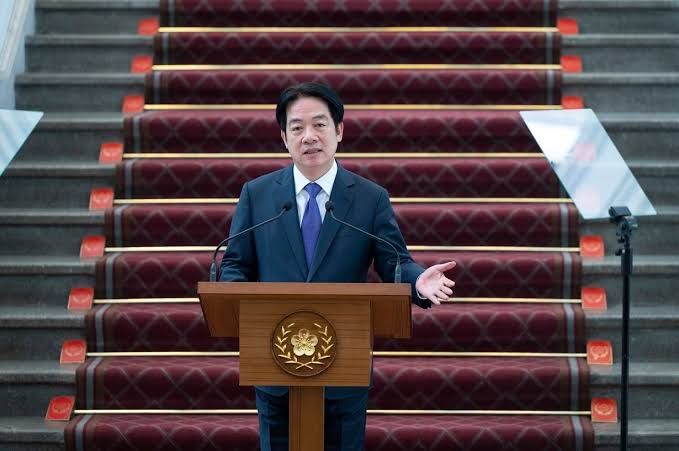
A Taiwanese court has sentenced four former political staffers, including an ex-presidential aide, for leaking state secrets to China. The group, all once linked to the ruling Democratic Progressive Party (DPP), received prison terms ranging from four to ten years.
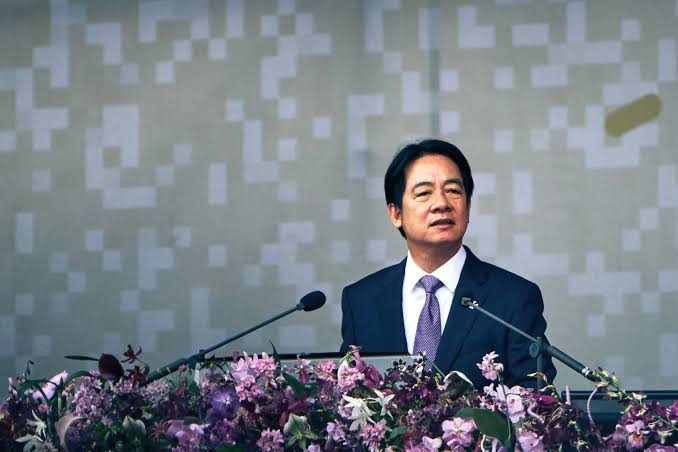
The case centered on Huang Chu-jung, a former assistant to a Taipei councillor, who received the heaviest sentence of 10 years. Prosecutors said Huang recruited contacts inside Taiwan’s foreign ministry to obtain confidential information, which he then passed to Chinese intelligence through encrypted channels. Court records show he received nearly NT$5 million for his efforts.
Among those he worked with was Ho Jen-chieh, a staffer in the foreign ministry, who was sentenced to just over eight years. Another co-conspirator, Chiu Shih-yuan, helped funnel details from Wu Shangyu, an aide to current President Lai Ching-te. Wu was accused of passing along Lai’s travel itineraries during his time as vice president and shortly after assuming the presidency.
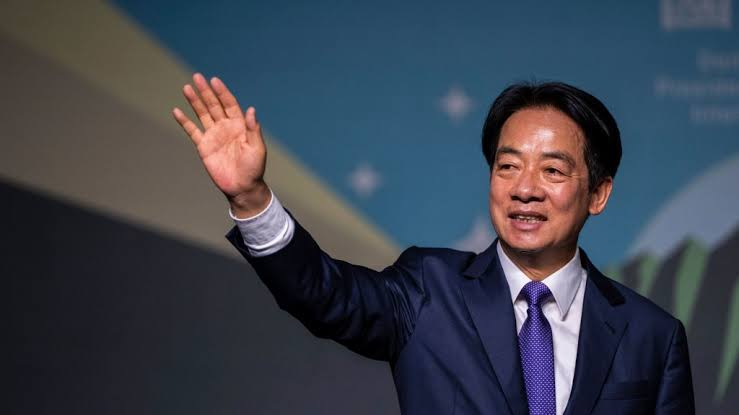
The court condemned the men for worsening Taiwan’s already fragile diplomatic position, saying the intelligence they leaked was of “serious importance.”
Taiwan has seen a surge in espionage cases involving China. In 2024 alone, 64 people were prosecuted for spying, a sharp rise compared to previous years. Convictions have included high-ranking officials, such as a former air force colonel sentenced to 20 years for running a spy ring.
The political implications are equally sensitive. President Lai and the DPP take a firm stance against Beijing and are viewed as pro-independence, while the opposition Kuomintang advocates for closer engagement with China. This divide has made espionage trials a flashpoint in Taiwan’s domestic politics, as China continues military pressure with frequent incursions near the island.
Beijing, for its part, dismisses Taiwan’s leadership as obstructing peace and insists the island belongs to China. Lai, meanwhile, has repeatedly warned that Chinese interference threatens Taiwan’s security and sovereignty.