

Freedom of Religion South Africa (FOR SA) has voiced serious concern that government-led “self-regulation” of religious organizations could open the door to state interference in matters of faith.
The warning follows the recent launch of the CRL Rights Commission’s Section 22 Committee, which aims to promote accountability and safety within South Africa’s faith communities. FOR SA, a legal advocacy group defending the constitutional right to freedom of religion, says while it supports the CRL’s goals of protecting victims and ensuring transparency, it disagrees on how those goals should be achieved.
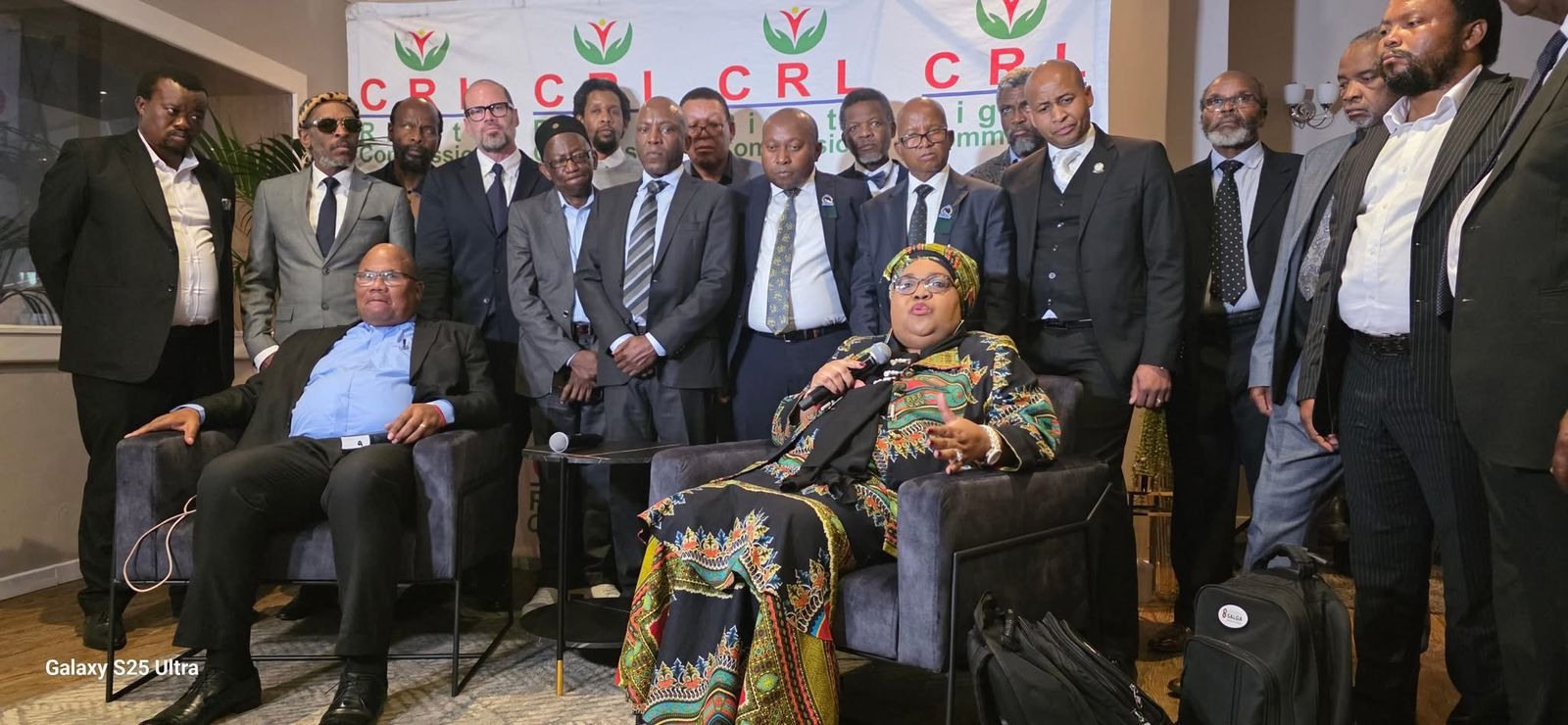
“The launch of the CRL’s new Section 22 Committee in Johannesburg marked a key step toward stronger oversight of religious institutions. The committee, seen in the photo from the event, is expected to help promote accountability and address misconduct within the faith sector.”
According to FOR SA, existing laws already provide sufficient protection against crimes such as fraud, assault, sexual offences, and child abuse — if properly enforced. The organization believes that additional legislation to “regulate” religious practice would threaten the constitutional right of faith communities to determine their own doctrines, governance, and practices without state intrusion.
“Once legislation governs the internal life of religious communities, even if called ‘self-regulation,’ it effectively becomes state control of religion,” FOR SA said in a statement. “This would be unconstitutional and an unacceptable infringement on religious freedom.”
FOR SA also cautioned against suggestions that the Section 22 Committee’s work might eventually lead to new laws being tabled in Parliament. The organization urged the Committee to remain independent, inclusive, and transparent, particularly regarding its composition and consultation process.
Instead of new laws, FOR SA recommends strengthening voluntary measures already developed by South African faith communities — such as the South African Charter of Religious Rights and Freedoms and its accompanying Code of Conduct, which were created through extensive consultation with religious groups, including the CRL itself.
“South Africa doesn’t suffer from a lack of laws,” the organization added. “What’s missing is proper enforcement and awareness within religious communities about existing legal obligations and best practices.”
FOR SA reaffirmed its commitment to working constructively with the CRL and the Section 22 Committee, pledging to keep the faith sector informed about opportunities to participate in consultations.
“Our mission remains clear,” said FOR SA’s Executive Director, Michael Swain. “Every person in South Africa should remain free to celebrate, speak about, and live out their faith — within the bounds of the Constitution and without government control.”