
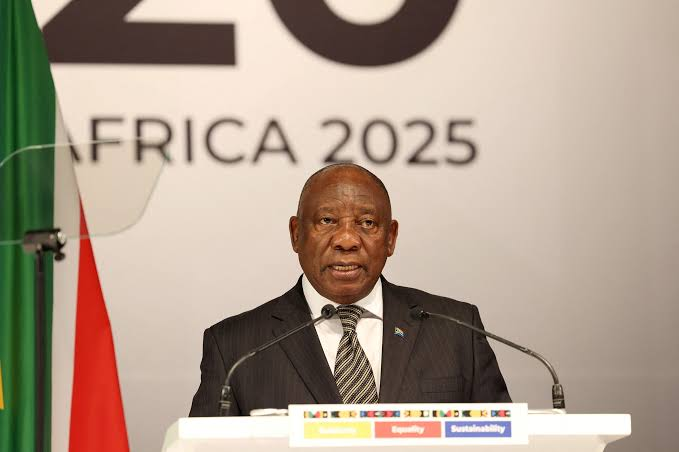
Egypt and South Africa have reaffirmed their commitment to work more closely on development goals and align their positions on both regional and global challenges. The announcement came after a meeting between senior ministers from both countries on the sidelines of the G20 Development Ministerial Meetings.
Egypt’s Minister of Planning and Economic Development met with South Africa’s Minister in the Presidency for Planning, Monitoring and Evaluation during the gathering, which was hosted by South Africa. Both ministers emphasized the need for deeper cooperation and shared ambitions for a more inclusive global financial system.
During the talks, Egypt expressed its appreciation for the continued invitation to participate in the G20 meetings and its readiness to work with South Africa during its G20 presidency. A key priority for both sides is to push forward reforms that will improve access to development financing and support Africa’s economic transformation.
The two ministers highlighted the African Continental Free Trade Area (AfCFTA) as a critical driver of growth and regional integration. They also called for stronger collaboration on major infrastructure projects—such as the Cairo–Cape Town Corridor—that are essential to boosting competitiveness and unlocking the continent’s potential.
Egypt shared updates on its structural reform agenda and climate initiatives, particularly its “NWFE” programme designed to attract climate finance. This initiative, along with South Africa’s national climate platform, was recently featured in a major international development conference.
South Africa’s representative commended Egypt’s ongoing efforts to champion development across the continent and its leadership role in major African institutions. She also praised Egypt’s continued work in representing Africa’s interests on the global stage.
Both countries welcomed the final declaration from the G20 meetings, which included commitments to expand social safety nets, tackle illicit financial flows, and strengthen domestic resource mobilization as key strategies to close the continent’s development gaps.
The meeting ended with a renewed sense of partnership, with both sides agreeing that a more united Africa can play a stronger role in shaping global development policies.