

By Khabonina Mdokwe
KwaZulu-Natal (KZN) premier Thamsanqa Ntuli and Basic Education (DBE) minister Siviwe Gwarube held an all-of-government meeting at the Marine Building in Durban this morning to discuss financial solutions for the financial challenges in the KwaZulu-Natal Department of Basic Education.
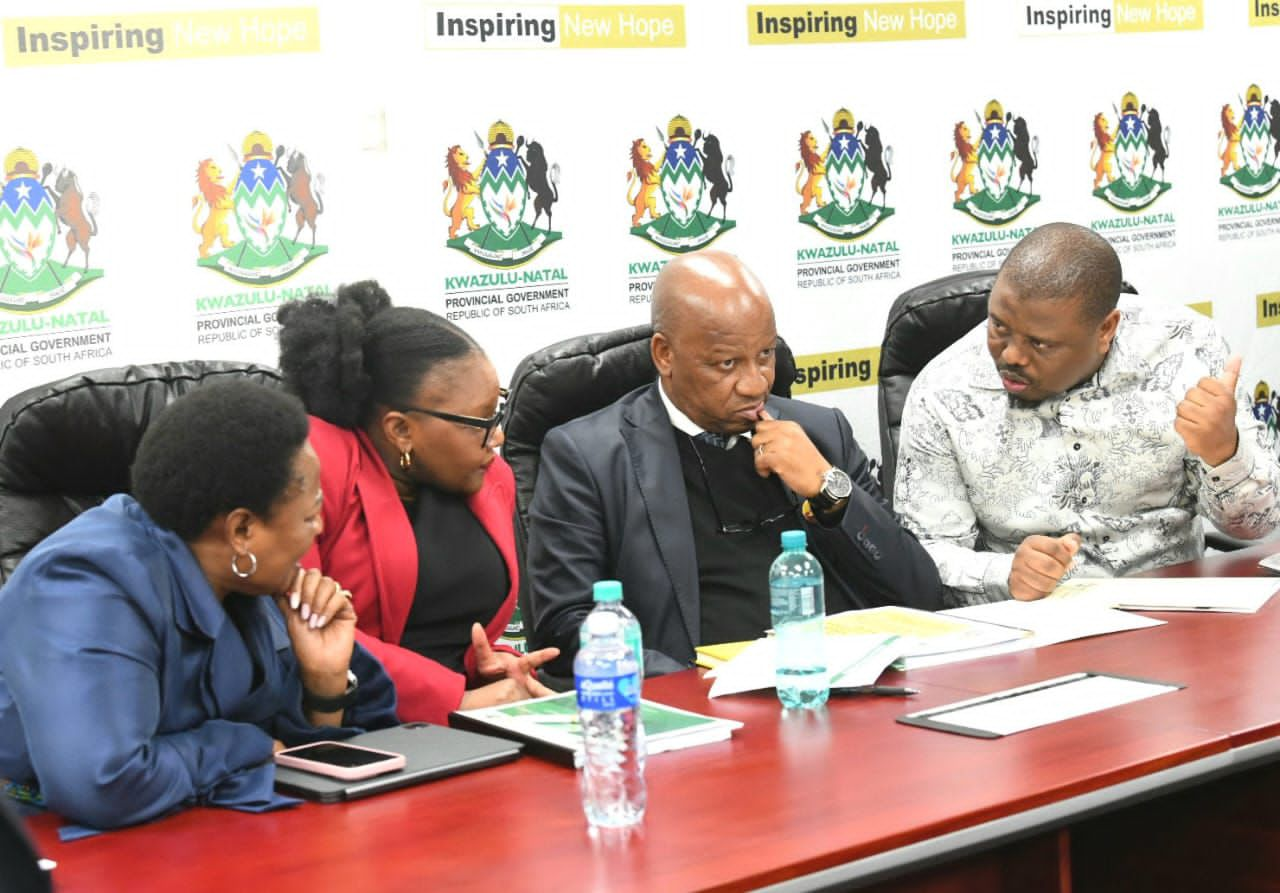
Gwarube admitted that the issues of finance within the KZN DBE have been caused by both lack of resources and lack of financial prudence. She also acknowledged that the DBE was put under section 18 of the Public Finance Management Act 1 of 1999 (PFMA).
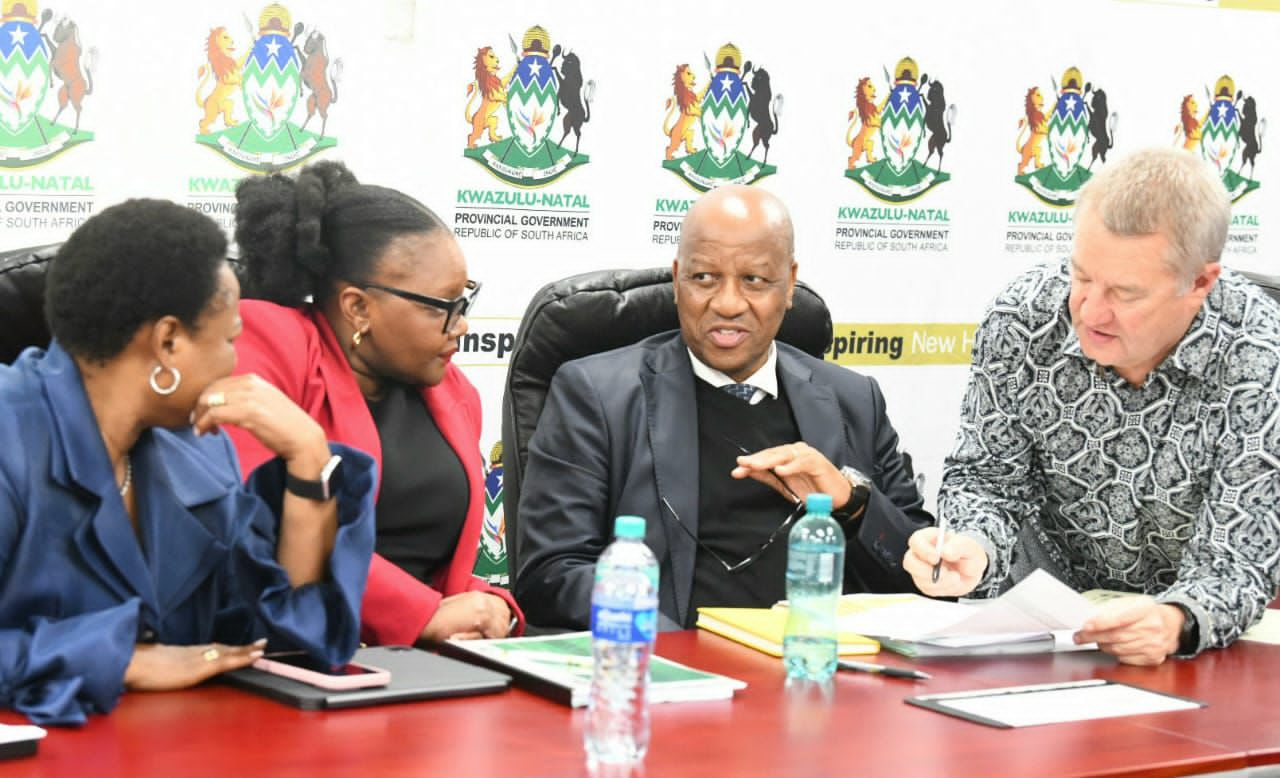
“The reality is that the system is faced with two things. The one is the under investment. But also, there has been poor decision making when it comes to the management of finances in the department over the past years. I don’t think we can, realistically and honestly, sit here and say everything has been done well, yet we find ourselves in this situation,” stated Gwarube.
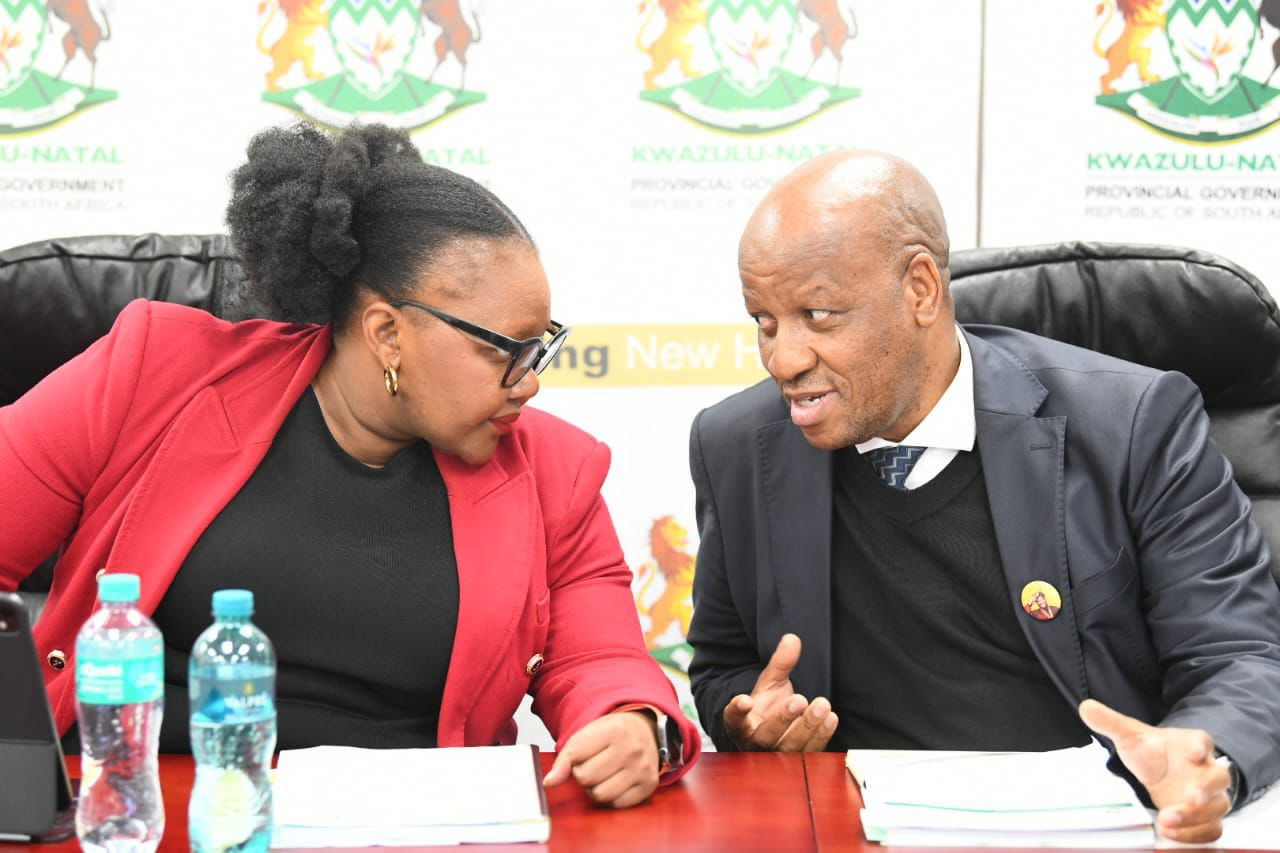
One of the poor decisions that have contributed to the current issues of the DBE mentioned by the minister was the Covid-19 assistants who were taken on as permanent employees, increasing the cost of employees.
Premier Thami Ntuli further stated that their main priority is improving the learning environment of the learner and different solutions are to be explored. It may happen that they could seek assistance from non-governmental organisations.
Amongst the three major topics the meeting touched on was the management of transfers to quintile 1, 2, and 3 schools, as these are the poorest schools and rely solely on government funding.
“So, transfers are the monies sent from the province to the various schools to manage the operations. It is incredibly important to have these transfers protected so that schools can ensure that they do what they need to do,” stated Gwarube.
Gwarube further stated that the meeting was not only about addressing financial concerns within the KwaZulu-Natal Department of Basic Education but the growing pressures that affect the entire education sector.
“So, the immediate and short-term actions will include ensuring that we are looking at the releasing of, particularly, the transfers that need to go to schools. These are some tough financial conversations and, as I said, this is not just limited to KZN, but it is something the entire education sector is facing.”

In terms of implementing practical solutions to the problem, Gwarube commended the work that education MEC Sipho Hlomuka and KZN MEC for Finance Francios Rodgers are doing in each other’s departments.
“So, the one is the work that will be commenced around doing audits of ghost employees and ghost learners. We are looking at over two million students in this province so being able to make sure that the money that we have is actually been spent on ‘warm bodies’ and not inflated numbers is going to be quite important. Secondly, I think also commending the province for bringing the cost of employees down from 93% to 89% is quite important, remembering that the national benchmark is 80%. So, it is moving in the right direction but we need to move that down further,” explained Gwarube.