
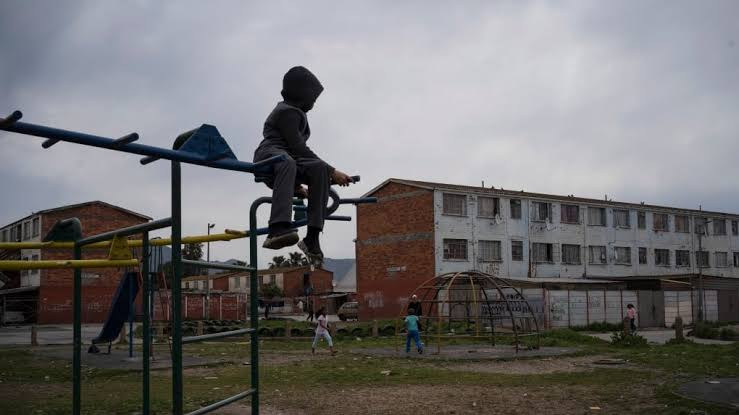
Cape Town is facing a heartbreaking crisis as children continue to be caught in the deadly crossfire of gang violence. More than 150 children have been killed on the Cape Flats in the past five years—an alarming statistic that reflects a community living in fear, grief, and frustration.
In just the past week, at least six children between the ages of four and 16 became victims of brutal attacks across the city. With school holidays approaching—a time when children spend more hours outdoors—residents fear the violence will only escalate.
One of the youngest victims was nine-year-old Zechariah Matthee, who was shot and killed during a mass shooting in Rocklands, Mitchells Plain. He had been hiding in a cupboard when gunmen opened fire, but was still struck in the head. He was one of three people killed that night.
His death has shattered his family and reignited calls for urgent intervention. At a community memorial, loved ones wept as they demanded justice and safer neighbourhoods for their children. Community safety advocates described Zechariah’s death as a painful reminder of how often innocent children are left exposed while gangs roam freely.
The violence did not stop there. In Kensington, 14-year-old Alnika Mitchell was shot dead while watching learners celebrate their matric farewells. And in Cloetesville, Stellenbosch, gunmen in a passing vehicle opened fire on an adult, hitting a four-year-old girl and a seven-year-old boy. The little girl is fighting for her life in hospital.
Community organisations say the pattern is tragically familiar: children gunned down in homes, yards, streets—spaces where they should be safest. Activists argue that deep-rooted poverty, inequality, and the easy availability of illegal firearms continue to fuel the bloodshed, while policing remains slow, overstretched, or ineffective.
They warn that without focused, specialised policing and real accountability, more families will endure the same heartbreak.
Local leaders have condemned the violence, calling it a devastating contradiction during a period when the country is supposed to be observing 16 Days of Activism for No Violence Against Women and Children. They say the killings expose a moral and systemic collapse, and urge law enforcement to increase visible policing in known hotspots and ensure swift arrests and prosecutions.
As communities gather in grief, one message rings out clearly: Cape Town’s children deserve to grow up without fear. And without urgent, coordinated action, more young lives will be lost to the violence tearing through the Cape Flats.