
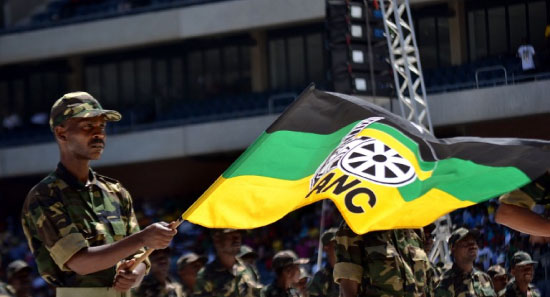
The African National Congress (ANC) has joined the nation in commemorating the 64th anniversary of the formation of Umkhonto we Sizwe (MK), the former armed wing of the liberation movement, describing it as a historic pillar in South Africa’s hard-fought journey to freedom.
Founded on 16 December 1961, a date now observed as the Day of Heroes, Umkhonto we Sizwe emerged at a time when all peaceful avenues for political change had been violently shut down by the apartheid regime. The ANC said the decision to form MK was not taken lightly, but followed years of brutal repression marked by the banning of liberation movements, the Sharpeville massacre, mass arrests, political executions, and the routine killing of unarmed civilians.
According to the ANC, MK was never about the glorification of violence. Rather, it was a disciplined and principled response to state-sponsored terror, firmly guided by political leadership and moral purpose. Operating under the leadership of the ANC and the South African Communist Party, MK remained committed to the vision of a democratic, non-racial, and just South Africa as outlined in the Freedom Charter.
From its first acts of resistance in December 1961, MK gave organised expression to the people’s right to resist oppression. It drew strength from a long tradition of African resistance and aligned itself with global struggles against colonialism, racism, and imperialism. Beyond being a military structure, MK served as a political school, shaping cadres grounded in sacrifice, discipline, internationalism, and unwavering loyalty to the people.
The ANC paid tribute to MK combatants who paid the ultimate price for freedom, honouring those who were killed, tortured, imprisoned, assassinated, or forced into exile. It also remembered those who trained under harsh conditions across Africa and beyond, and those who returned home to mobilise communities and confront the apartheid state alongside the masses. Their sacrifices, the ANC said, weakened the apartheid machinery and strengthened international solidarity that eventually isolated the racist regime.
The movement also acknowledged MK’s role within the broader African liberation struggle, noting that South Africa’s freedom was inseparable from the freedom of the continent. Through shared sacrifice and strategic alliances, MK contributed to regional victories against colonial and apartheid-backed forces.
Reflecting on the suspension of the armed struggle in August 1990, the ANC emphasised that it was a strategic decision aimed at securing a negotiated settlement in line with the will of the people. The democratic breakthrough of 1994, the party said, remains a powerful testament to the combined force of mass mobilisation, armed resistance, principled leadership, and international solidarity.
Today, the ANC says the responsibility of former MK combatants lies in defending and deepening the democratic gains achieved through struggle. This includes community involvement in fighting crime, strengthening street committees and community policing forums, combating gender-based violence and femicide, and passing revolutionary values to younger generations to rebuild a caring, people-centred society.
As the movement marks this milestone, it acknowledged that the legacy of Umkhonto we Sizwe places a heavy responsibility on the present generation. In a period of ideological contestation, internal challenges, and betrayal by former comrades, the ANC said MK’s example calls for renewal rooted in unity, discipline, selflessness, and service to the people.
The ANC stressed that remembering MK is not about romanticising the past, but about defending the hard-won freedoms of today and continuing the unfinished struggle for social and economic justice. The values that shaped Umkhonto we Sizwe, it said, must continue to guide the ANC as an effective instrument of the people.
On this Day of Heroes, the African National Congress saluted Umkhonto we Sizwe, Lerumo la Sechaba, and honoured all those who carried the spear of resistance so that South Africa could live in freedom and dignity.