

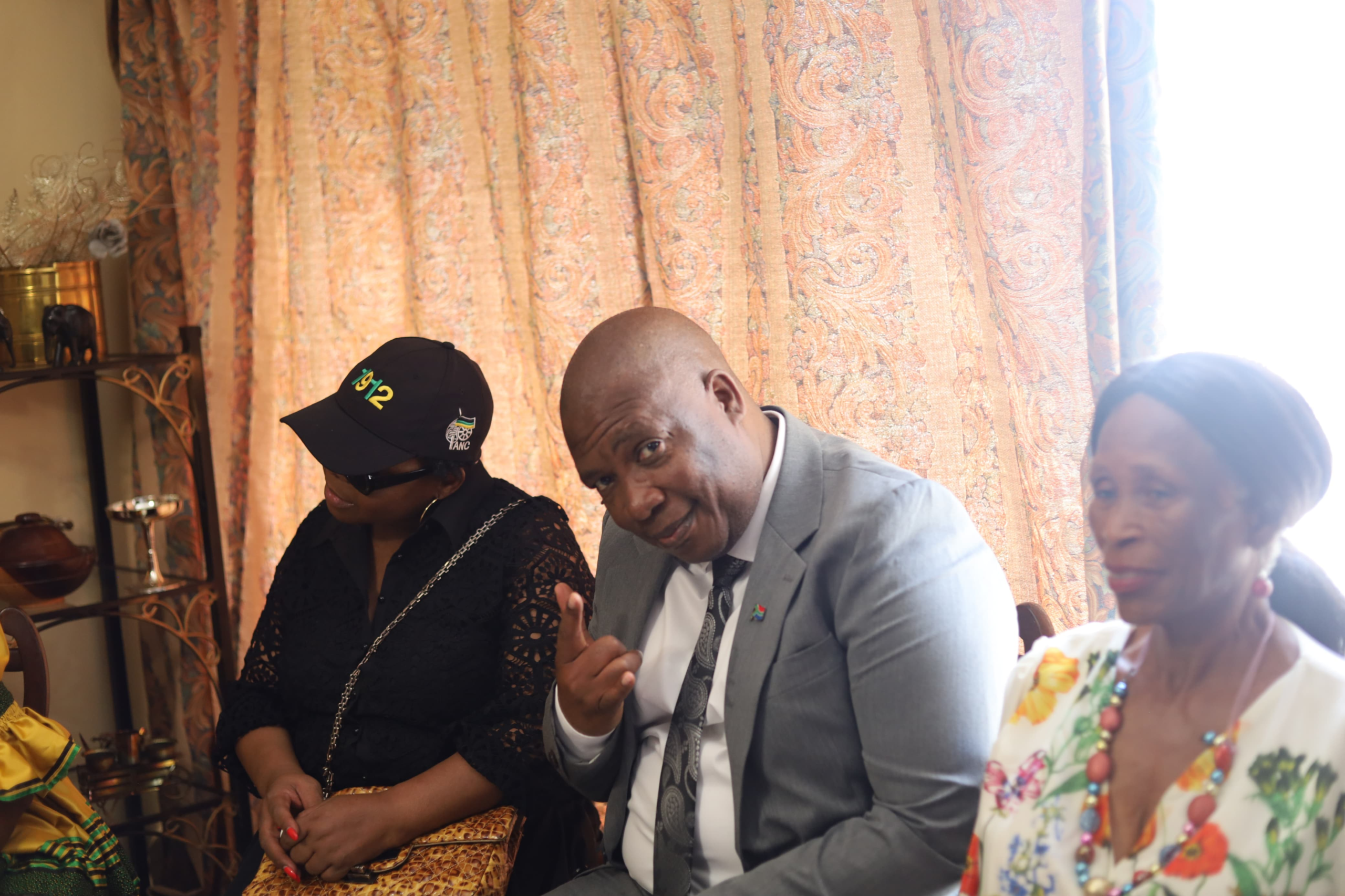
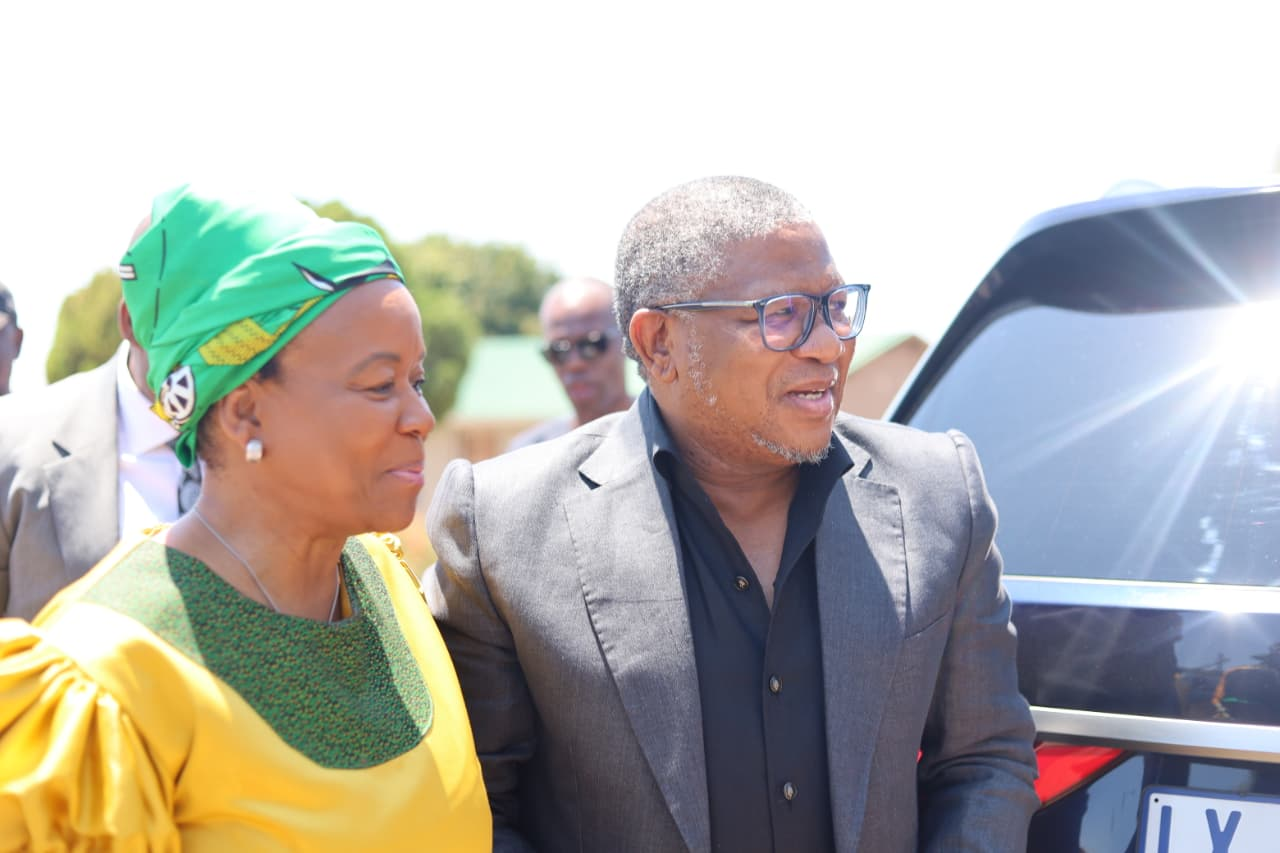
The African National Congress (ANC) gathered this week to celebrate the 100th birthday of Dr. Theophilus Tlou “TT” Cholo — a stalwart of South Africa’s liberation struggle whose life of courage, sacrifice, and service continues to inspire generations.

Programme Director, Cde Sibongile Besani, welcomed members of the Cholo family, former ANC Deputy President Cde Kgalema Motlanthe, members of the ANC National Executive Committee, the Gauteng Provincial Task Team, and comrades from across the movement to the historic centenary celebration.

The event was not only a birthday tribute to Dr. Cholo, born a century ago in Ga-Matlala, but also a moment of reflection and renewal for the ANC and the nation.
A Lifetime of Struggle and Service

Dr. Cholo’s journey — from the dusty paths of Kgakana Village to the prison cells of Robben Island — tells the story of South Africa’s long road to freedom. He began life as a worker in Germiston, where he organized labourers and fought against the injustices of apartheid. His involvement in the formation of the South African Congress of Trade Unions showed his deep belief that dignity in the workplace was central to dignity at home.
When the ANC launched its armed wing, Umkhonto weSizwe (MK), Dr. Cholo was among the first to take up the cause. He trained in the Soviet Union and China, later becoming a commissar and deputy commander of the Luthuli Detachment. He helped establish early MK camps named in honour of great leaders such as Chief Albert Luthuli and Nelson Mandela, ensuring that the spirit of the struggle remained alive among the people.
His mission led him across borders through Botswana and Rhodesia (now Zimbabwe) during the Wankie and Sipolilo campaigns. Despite being arrested and sentenced, Dr. Cholo returned to the battlefield — determined to never abandon his people, no matter the danger.
In 1972, he was captured again, charged under the Terrorism Act in the infamous “Great Pretoria Six” case, and sentenced to 16 years on Robben Island. There, he studied, taught, and inspired fellow prisoners — keeping the flame of liberation burning even behind bars.

Honouring a True Revolutionary
“Dr. Cholo’s life is a testament to resilience and selflessness,” said ANC representatives. “He dedicated his entire being to the struggle for freedom, never seeking recognition or reward.”
In recognition of his immense contribution, the ANC conferred upon him the prestigious Isithwalandwe/Seaparankwe — the highest honour the movement can bestow.

But the celebration of his centenary, speakers emphasized, should not end with praise. It must serve as a call to action — to rebuild, renew, and restore the ANC’s founding values of service, honesty, and unity.
A Call for Renewal
The ANC acknowledged that the 20 24 election outcomes represented a “strategic setback” for the national democratic revolution. However, leaders said Dr. Cholo’s example provides a roadmap for renewal — one that demands recommitment to the struggles of ordinary South Africans.
Dr. Cholo’s politics were rooted in the working class — among miners, farmworkers, domestic workers, and informal traders. His vision of change was not about rallies or slogans, but about improving the daily lives of people: living wages, functioning clinics, quality schools, reliable transport, and job security.
“We do not organize people for rallies,” the speech reminded. “We organize to change their material conditions.”

The ANC pledged to strengthen political education within the movement, build disciplined and community-focused leadership, and restore public trust through integrity-driven governance.
Building a Better Future
Speakers drew lessons from Dr. Cholo’s humility and steadfastness, noting that he endured torture and imprisonment without turning the struggle into spectacle. His quiet strength, they said, should guide today’s leaders in serving without seeking fame.
The call for renewal extended beyond national politics to global solidarity. Dr. Cholo’s internationalism — from Tanzania to the USSR and China — reflected his belief that South Africa’s liberation was part of a broader African and global struggle against oppression.

As part of the ANC’s rebuilding process, emphasis was placed on strengthening community-based branches to tackle service delivery issues, combat corruption, and restore efficiency in municipalities. The movement vowed to take decisive action against “water tank mafias, construction mafias, and every corrupt practice that steals from our people.”
Inspiring the Next Generation
The ANC also called for the grooming of a new generation of servant leaders who view politics as a platform for service rather than personal gain. Young people, it said, must see the ANC as “a place to build, not to loot.”

“Our challenge,” the statement added, “is to fight corruption with the same courage that our forebears fought oppression — to build institutions as steadfastly as they built liberation camps, and to love our people as deeply as they did.”
A Living Legacy
As the movement reflected on a century of Dr. Cholo’s life, the message was clear: the greatest tribute to his legacy is not in words, but in action.
“The best way to honour Dr. TT Cholo is not with fanfare, but with fidelity — fidelity to the poor, to the working class, and to the ideals enshrined in the Freedom Charter and our Constitution,” said the closing address.
Dr. Cholo’s life, the ANC affirmed, remains a beacon of courage and service — a reminder that the struggle continues, not with guns and prisons, but with integrity, good governance, and the pursuit of a South Africa that leaves no one behind.