
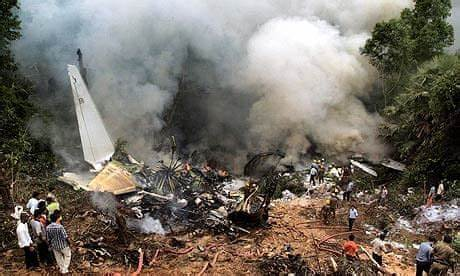
A preliminary investigation into the tragic Air India crash that claimed 260 lives has revealed a startling detail: both engine fuel switches were in the “cut-off” position moments before the aircraft went down. These switches, which shut off engine power, appear to have been toggled just seconds after take-off from Ahmedabad, sparking confusion in the cockpit as captured by voice recordings.
In the final moments, one pilot asked the other why the fuel was cut. The response: “I didn’t do it.” This exchange has left investigators, aviation experts, and grieving families with more questions than answers.
Families Left Grieving, Seeking Accountability
For families of the victims, the report has been difficult to digest. Many, like the relatives of Saiyed Javed Ali—who died with his wife and two children—are demanding accountability. Javed had returned to India to visit his ailing mother and was on his way back to London when the crash occurred.
“This tragedy shattered our home,” his uncle said. “We need to know what truly happened.”
Others, like the father of Faizan Rafiq, a young man who had traveled to India for Eid, say technical details don’t matter much to them. “We’ve lost our son. That pain is greater than any explanation,” he said.
Victims on the Ground Add to the Devastation
The plane not only claimed the lives of passengers on board but also killed 19 people on the ground when it crashed into a bustling area near a medical college. Among the casualties were a two-year-old girl and her grandmother, who were simply in the wrong place at the wrong time.
“We lost our loved ones even though they weren’t on the flight,” one father said, struggling to make sense of the loss.
Aviation Officials Urge Patience
India’s Civil Aviation Minister has asked the public not to draw conclusions just yet, emphasizing that the investigation is ongoing. He praised the professionalism of the country’s pilots and said final answers would come with time.
Meanwhile, India’s aviation safety regulator assured that overall air traffic has not significantly declined and reaffirmed the country’s strong safety record in global rankings.
Pilots’ Union Calls for Transparency
The pilots’ association has voiced concern about the investigation process. They believe the inquiry may be leaning toward pilot error without conclusive evidence and have called for more transparency. They also requested to be included in the investigation as observers to ensure fairness.
Technical Insights: Black Boxes and Fuel Switches
Investigators recovered two flight recorders, known as black boxes, from the crash site within days. These devices, crucial in understanding what went wrong, provided 49 hours of flight data and two hours of cockpit audio.
Experts say fuel switches are heavily protected and require deliberate action to move—raising questions about how they were cut off so suddenly.
Survivor’s Shocking Escape
A British man, the sole survivor, recalled the terrifying seconds after take-off. He said the lights flickered before the aircraft slammed into a building. Miraculously, he managed to escape through a hole in the fuselage. His brother, who was traveling with him, did not survive.
The Bigger Picture: What’s Next?
This incident has cast a shadow over Air India’s ambitious efforts to revamp its brand and operations. The airline, which had been working to modernize and expand, now faces renewed scrutiny.
For many families, closure remains distant. While the preliminary report has begun to paint a picture, a final report—expected within a year—may finally reveal whether this was a tragic mishap or something that could have been avoided.