
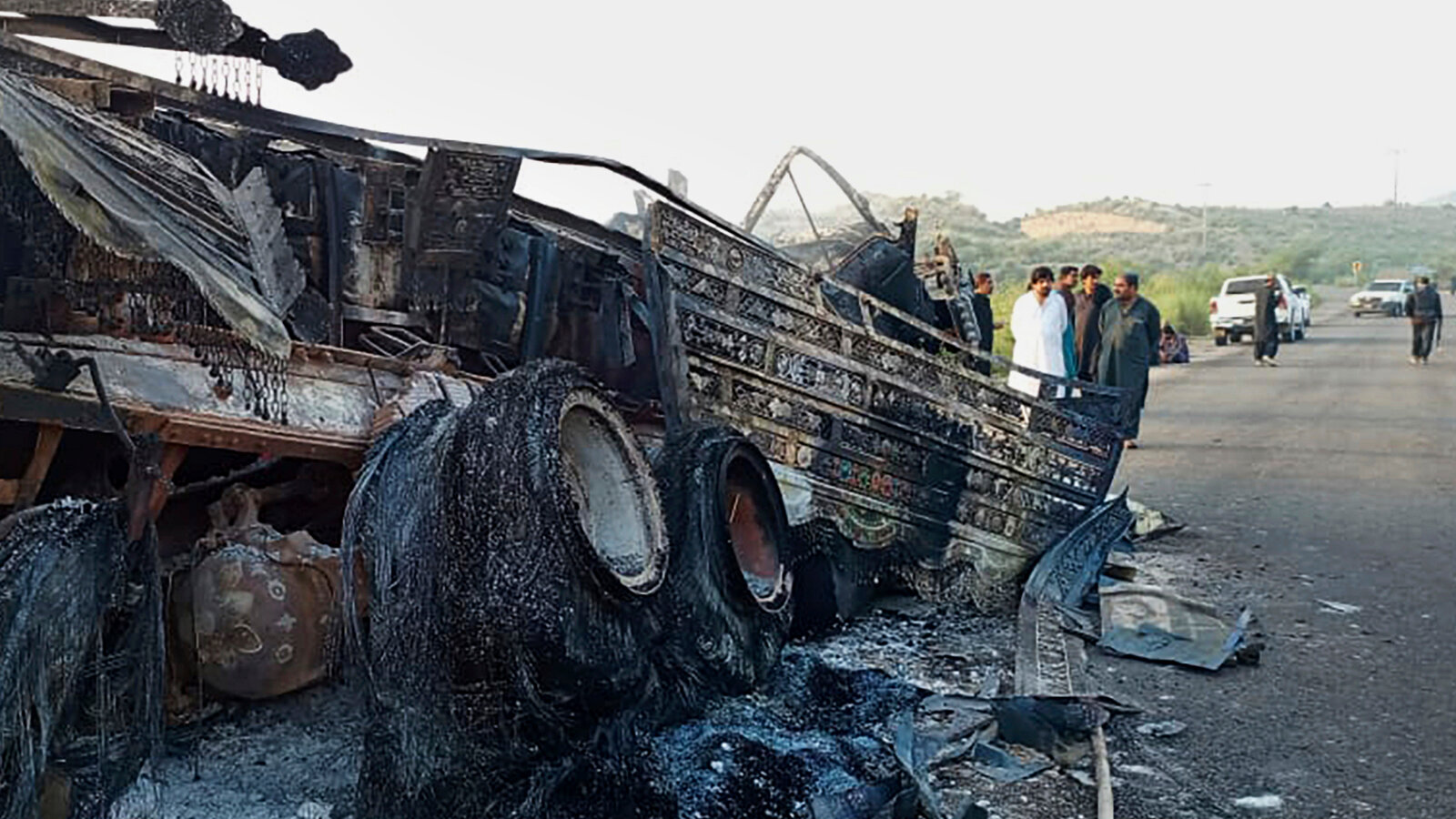
A tragic wave of violence swept through Pakistan’s southwestern Balochistan province on Saturday, leaving dozens dead in a series of coordinated gun, bomb, and possibly suicide attacks.
According to provincial Chief Minister Sarfraz Bugti, the assaults claimed the lives of 31 civilians and 17 security personnel. In response, Pakistani security forces engaged the attackers, reporting that they killed at least 145 militants over the course of intense clashes that lasted nearly 40 hours.
The attacks targeted multiple locations across more than a dozen cities and towns, including the provincial capital Quetta, as well as police stations, paramilitary posts, prisons, government buildings, and even civilians in some areas. Grenades were thrown, gunfire erupted, and roads were blocked in places, leading authorities to seal off key administrative zones, jam mobile services, and suspend train operations temporarily.
The Balochistan Liberation Army (BLA), a banned separatist group fighting for Baloch independence, claimed responsibility. They described the operation as retaliation and boasted of inflicting heavy casualties on Pakistani forces (claims that officials strongly disputed, putting their own losses much lower).
How US designation of BLA as a terror group bolsters Pakistan’s …
This outbreak marks one of the deadliest escalations in years in Balochistan—a vast, resource-rich but impoverished province that makes up nearly half of Pakistan’s land area yet is home to only about 5% of its population. The region, bordering Iran and Afghanistan, has seen a long-running ethnic insurgency fueled by grievances over resource exploitation, lack of local benefits from gas and minerals, allegations of enforced disappearances by security forces (which Islamabad denies), and demands for greater autonomy or independence.
Pakistan’s government has long accused India of backing the BLA, a charge New Delhi consistently rejects.
Prime Minister Shehbaz Sharif condemned the violence, praised the military’s response, and vowed to keep fighting terrorism until it’s completely eliminated.
Our thoughts go out to the families of all those lost, civilians and security forces alikebin this heartbreaking surge of conflict.