

Safa Younes walks through the quiet home where her life changed forever. She is 33 now, but the memories of what happened in Haditha two decades ago still feel painfully fresh.
“This is the room where my whole family was killed,” she says softly.
The walls are scarred with bullet holes. A colorful bedspread still covers the bed where her mother, siblings, and aunt took shelter on the morning of 19 November 2005. Safa was only 13 when US marines stormed into her home and opened fire, killing everyone except her. Her father had already been shot at the front door moments earlier.
For years, Safa lived as the lone survivor of what later became known as the Haditha massacre — the killing of 24 Iraqi civilians, including women and children, and even students on their way to college. Despite the scale of the tragedy, no one was ever convicted.
Now, newly uncovered evidence points to two marines who were never brought to trial. It raises troubling questions about how the investigation was handled and whether justice was ever truly pursued.
Safa remembers hiding among the bodies of her siblings — the youngest just three years old — and pretending to be dead. “I was the only survivor out of my entire family,” she says.
Four marines were initially charged, but their accounts conflicted. Over time, charges against three of them were dropped, and they were granted immunity. Only one — Staff Sergeant Frank Wuterich — went to trial. His case ended in a plea deal that resulted in a minor charge unrelated to any of the killings.
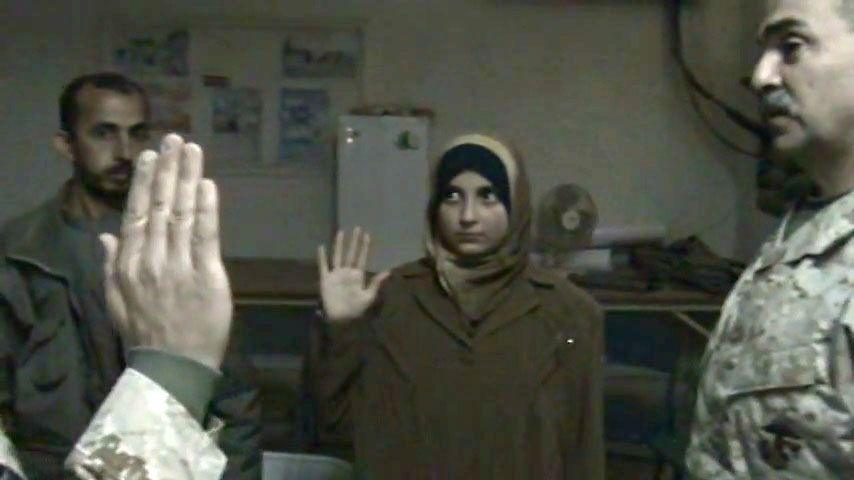
A previously unseen video from a pre-trial hearing shows a young marine, Humberto Mendoza, reenacting what happened. In the recording, he quietly admits to shooting Safa’s father, even after confirming he wasn’t armed.
Forensic evidence suggests that two marines entered the bedroom and opened fire on the women and children inside. When Mendoza later stated that he walked into the bedroom — despite earlier claiming he had not — it placed him directly where the first shooter would have stood.
Another marine, Stephen Tatum, gave several statements admitting that he shot women and children, even after identifying them clearly. Those statements were later dismissed in court, and charges against him were dropped.
Experts believe Tatum and Mendoza were likely the two men who killed Safa’s family, yet neither faced trial for those actions.
Meanwhile, the only marine who did stand trial, Wuterich, received what even his own lawyer described as a punishment “like a speeding ticket.” Survivors felt the entire process was designed to protect the military, not uncover the truth.
Safa, now a mother of three, still lives in Haditha. Watching the footage of the men who entered her home fills her with deep frustration.
“He should have been imprisoned from the moment it happened,” she says. “It should have been impossible for him to see the light of day.”
Two decades later, Safa is still grieving — but she is also still fighting.
“I want those who did this to be held accountable,” she says. “It’s been almost 20 years without justice. That is the real crime.”