
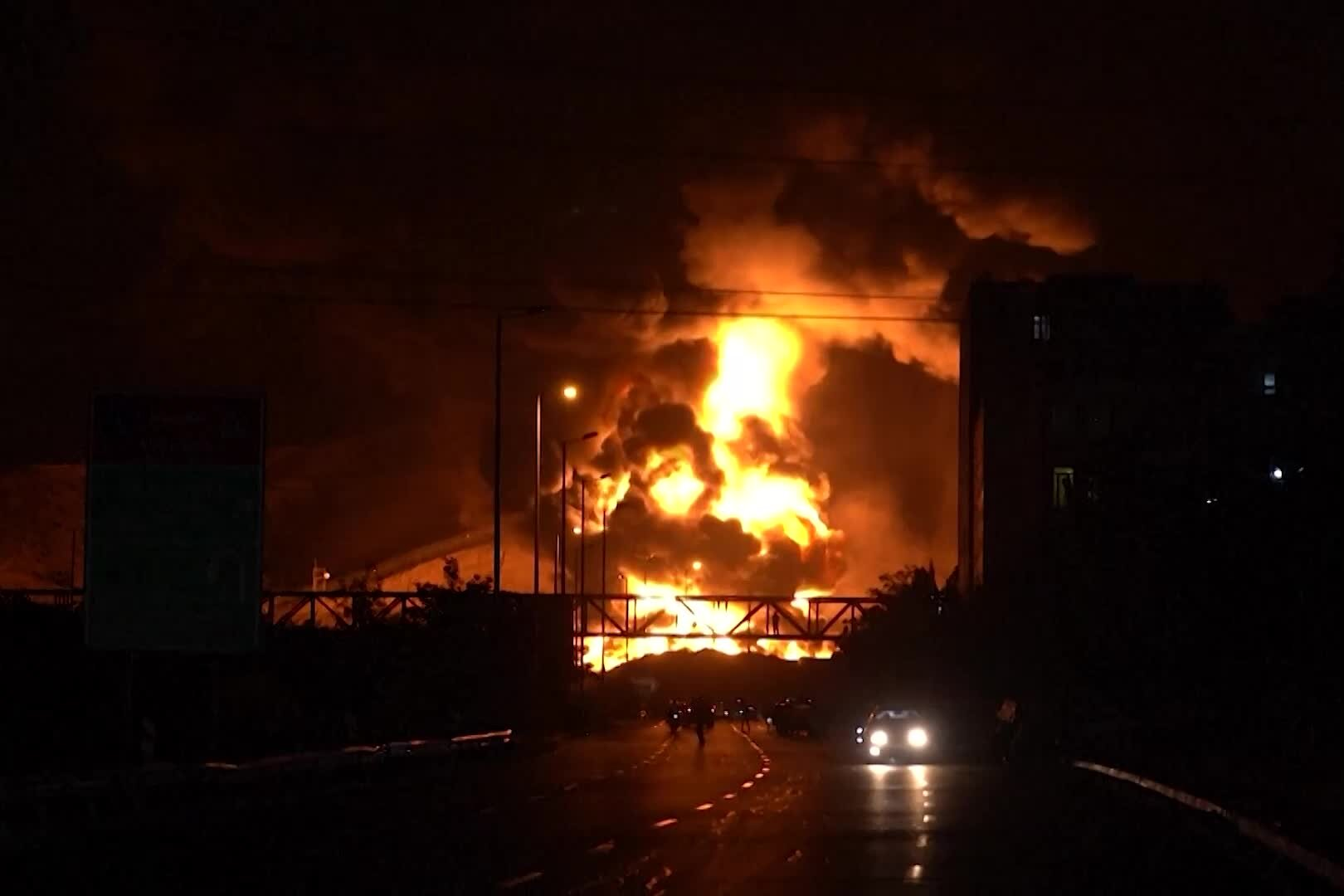
Imagine waking up to the news that one country has just lobbed missiles toward five others in a single, chaotic morning. That’s exactly what happened with Iran, aiming to hit back at tensions with Israel and the US. But instead of a clean retaliation, it turned into a messy escalation that dragged in innocent bystanders across the Gulf. Let’s break it down country by country, focusing on the human impact and what it really means for the people living there.
Bahrain: A direct hit on the headquarters of the US Navy’s Fifth Fleet, right in the heart of Manama. Bahrain’s official news agency confirmed it themselves, but they’re staying tight-lipped on casualties so far. This isn’t just any building – it’s the nerve center for all US naval ops in the Persian Gulf. For the folks in Bahrain, who rely on that US presence for security and jobs, this feels like a personal attack on their daily stability.
UAE: Emirati defenses kicked in hard, intercepting multiple missiles over their skies. Tragically, one civilian in Abu Dhabi lost their life to falling debris, a heartbreaking reminder that even “successful” defenses can have real human costs. The UAE’s defense ministry owned up to the intercepts right away. Picture this: the UAE shares a sea border with Iran, and now they’ve essentially endured an act of war on their own soil. For everyday Emiratis, who pride themselves on building a modern, safe hub, this shatters the sense of invulnerability.
Read also:A Tense Night: US and Israel Strike Iran Amid Rising Conflicts, as Trump Announces Big Military Moves
Qatar: One missile incoming, but it was swiftly knocked out with no damage or injuries reported. Qatar’s Interior Ministry confirmed the whole thing. Here’s the irony, Qatar has been playing the role of regional balancer for years, even hosting the massive Al Udeid Air Base for the US. They’ve kept diplomatic channels open with Iran. But that goodwill? It evaporated in an instant. For Qataris, this might feel like a betrayal from a neighbor they tried to keep things civil with.
Kuwait: Their state news agency, KUNA, said the missiles were “handled” in Kuwaiti airspace no damage on the ground. Kuwait has masterfully stayed neutral through every major Gulf crisis since the ’90s invasion by Iraq. Now, Iranian missiles are whizzing over their cities? It’s a scary wake-up call for a country that’s all about peace and diplomacy. Families in Kuwait City must be wondering if their long streak of staying out of the fray is finally over.
Jordan: Two ballistic missiles downed by Jordanian forces, as confirmed by their military. This isn’t the first time – back in June 2025, they intercepted Iranian missiles headed for Israel. But now, Jordan itself was the target. For Jordanians, who often act as mediators in the region, this direct threat could push them closer to alliances they once avoided. It’s a tough spot for a nation balancing its own security with broader Arab ties.
Saudi Arabia: Iran’s Fars News is claiming successful strikes, but there’s zero confirmation from Saudi sources – no reliable reports at all. Either it didn’t happen, or Riyadh’s playing it close to the chest. Both scenarios spell big trouble ahead. Saudis, who’ve invested heavily in defense and regional influence, might see this as the last straw in a long-simmering rivalry.
Stepping back, what Iran pulled off strategically is mind-blowing but not in a good way for them. In trying to punch back at Israel and America, their Revolutionary Guards ended up firing at six countries (including themselves in the crossfire of regional fallout). None of these nations had attacked Iran first. Bahrain wasn’t bombing Tehran; the UAE wasn’t striking Isfahan. Qatar was actually helping with talks, Kuwait was the ultimate neutral party, and Jordan was trying to calm things down.
By doing this, Iran has basically handed these countries a golden ticket to team up against them. Every violated airspace, every scared civilian, every breached border gives these nations a real reason legally and politically to join forces in whatever comes next. It’s like Iran accidentally built its own opposition coalition overnight.
And the actual damage? Minimal. One innocent life lost to debris, successful intercepts in four countries, no confirmed hits on US military stuff, and no American casualties among the 40,000 troops in the area. Iran swung wide at the whole Gulf, but the Gulf mostly shrugged it off.
Contrast that with Israel’s response earlier that day: pinpoint strikes on Iran’s IRGC Intelligence HQ, blasts near the Supreme Leader’s office, and three explosions in central Tehran admitted by Iranian media. One side nailed their targets; the other mostly missed and caused collateral pain.
This lopsided reality is going to shape the coming days. Iran showed they want to fight everyone but can’t land the punches effectively. The Gulf states proved they can protect themselves – and now they’re deciding if they let Iran try again. Spoiler: they probably won’t.
Keep an eye out for joint announcements from these countries, maybe coordinated air defenses from Riyadh, Abu Dhabi, Manama, and Kuwait. Iran didn’t just retaliate against its enemies today; it gave the entire Middle East a reason to push back harder. In the end, this could unite the region in ways no one saw coming, all because of one reckless salvo.