
South African Driving Licence Cards Extended to 10 Years After Cabinet Approval
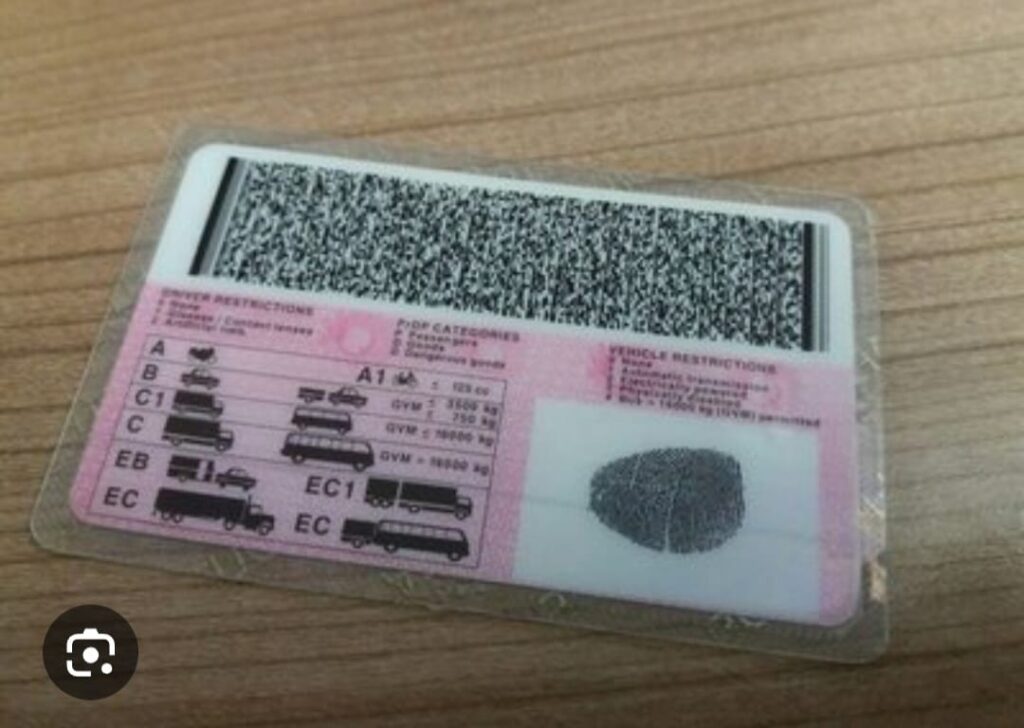
South African motorists could soon spend far less time waiting at licensing centres after Cabinet approved a major reform that will double the validity period of certain driving licence cards from five years to 10 years.
The decision, announced by Minister in the Presidency Khumbudzo Ntshavheni on 30 July 2026 after a Cabinet meeting, marks one of the biggest proposed changes to South Africa’s driving licence system in years.
For millions of ordinary drivers, the move could mean fewer renewals, reduced administrative pressure and less disruption caused by long queues and delays at licensing offices.
However, motorists will have to wait before celebrating. The new 10 year validity period is not yet legally active and will only take effect after the required regulatory changes have been completed.
New 10 year licence period will apply to most private drivers
The approved extension will apply to light motor vehicle and motorcycle licence categories, specifically codes A, A1, B and EB.
These categories cover the majority of private motorists who currently need to renew their driving licence cards every five years.
The reform will not affect all drivers. Heavy commercial vehicle licences and public transport categories will continue operating under the current renewal periods of two or five years, depending on the licence type.
Professional Driving Permits, commonly known as PrDPs, will also remain subject to the existing two year renewal cycle.
Government aims to reduce pressure on licensing system
The decision follows research conducted by the Road Traffic Management Corporation, which examined ways to improve South Africa’s driving licence administration.
According to government, extending the validity period will bring the country closer to international standards while reducing the number of motorists requiring renewals each year.
Transport Minister Barbara Creecy welcomed the decision, saying the change would help ease demand on the licensing system and improve efficiency across government services.
For years, South Africa’s licensing centres have faced challenges, including long waiting times, system failures and backlogs caused by delays in licence card production.
The government believes fewer renewal applications could help reduce strain on already pressured administrative systems.
Law changes still required before motorists see benefits
Although Cabinet has approved the proposal, motorists cannot yet receive 10 year driving licence cards.
The change requires amendments to Regulation 108 of the National Road Traffic Regulations. These amendments must still go through the required legal process, including public consultation and official publication in the Government Gazette.
Until the new regulations are formally introduced, drivers must continue renewing their licence cards according to the current five year validity period.
Motorists whose cards expire before the changes come into effect will still need to follow existing renewal procedures.
Reform follows years of debate over licence renewals
The move comes after years of discussions around South Africa’s driving licence system and repeated calls for reform.
Earlier proposals had suggested extending licence validity to eight years, but Cabinet has now approved a longer 10 year period for eligible drivers.
The debate gained momentum as motorists raised concerns about repeated renewal costs, administrative delays and difficulties caused by licence card printing backlogs.
Civil society organisations, including AfriForum and the Organisation Undoing Tax Abuse (OUTA), have welcomed the proposed reform, describing it as a practical improvement that could make life easier for millions of South African drivers.
A major shift for everyday motorists
If implemented, the 10 year validity extension will represent a significant change in how South Africans manage their driving licences.
For private drivers, the reform could mean fewer trips to licensing centres, lower administrative pressure and a more efficient renewal system.
But until the final regulatory steps are completed, motorists will need to continue following the current rules.
The government’s next challenge will be ensuring that the promised reform moves from Cabinet approval to practical implementation without further delays.