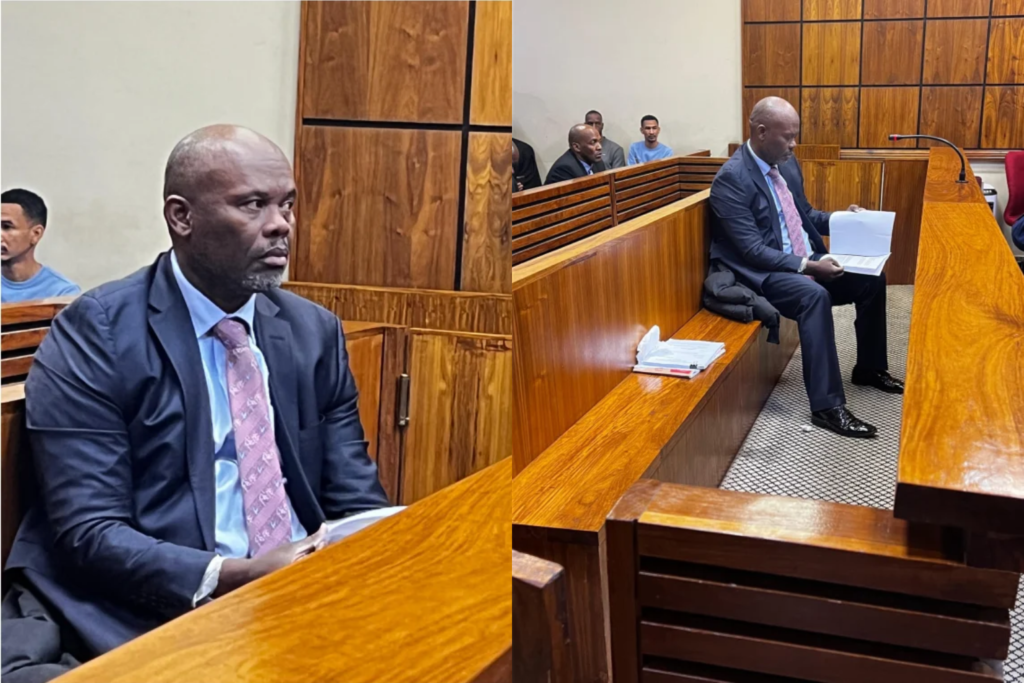
Judge President Selby Mbenenge Wins Court Order Halting Impeachment Process Pending Review
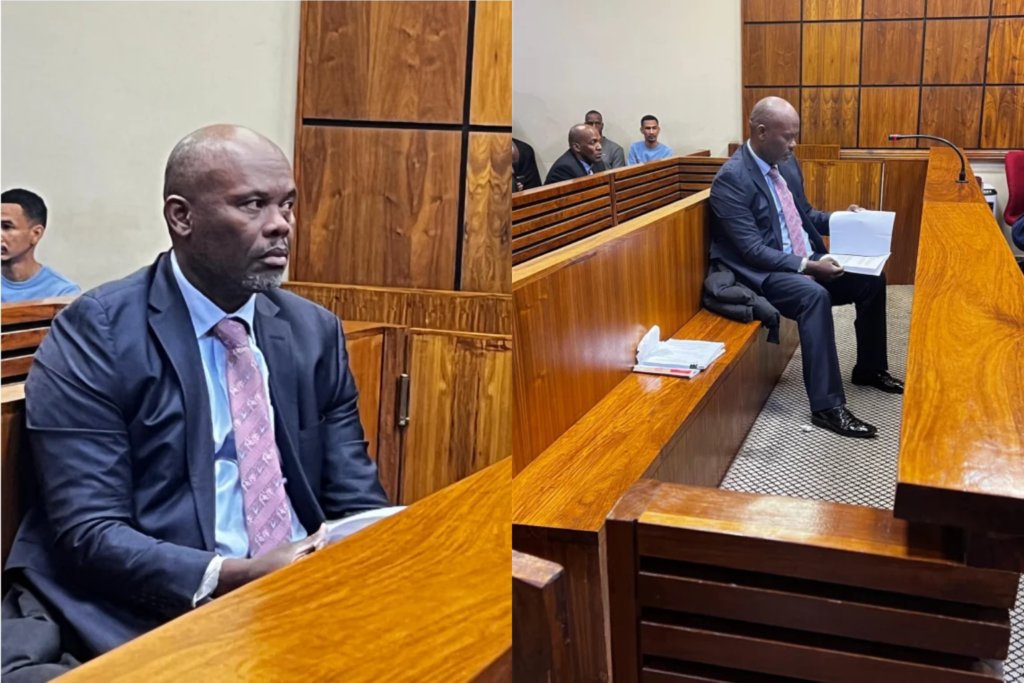
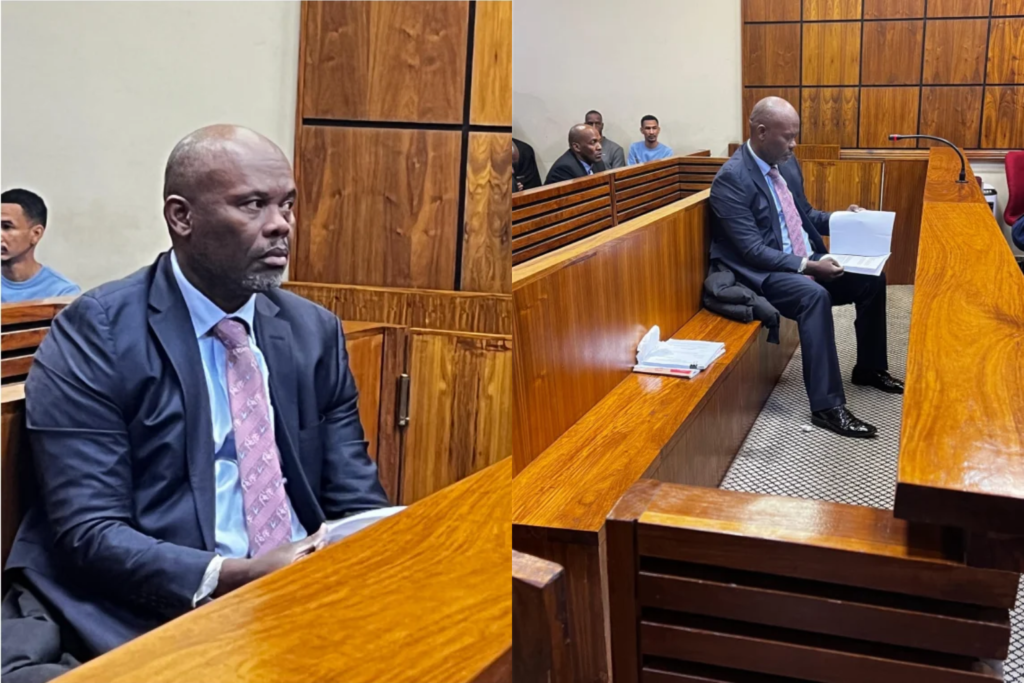
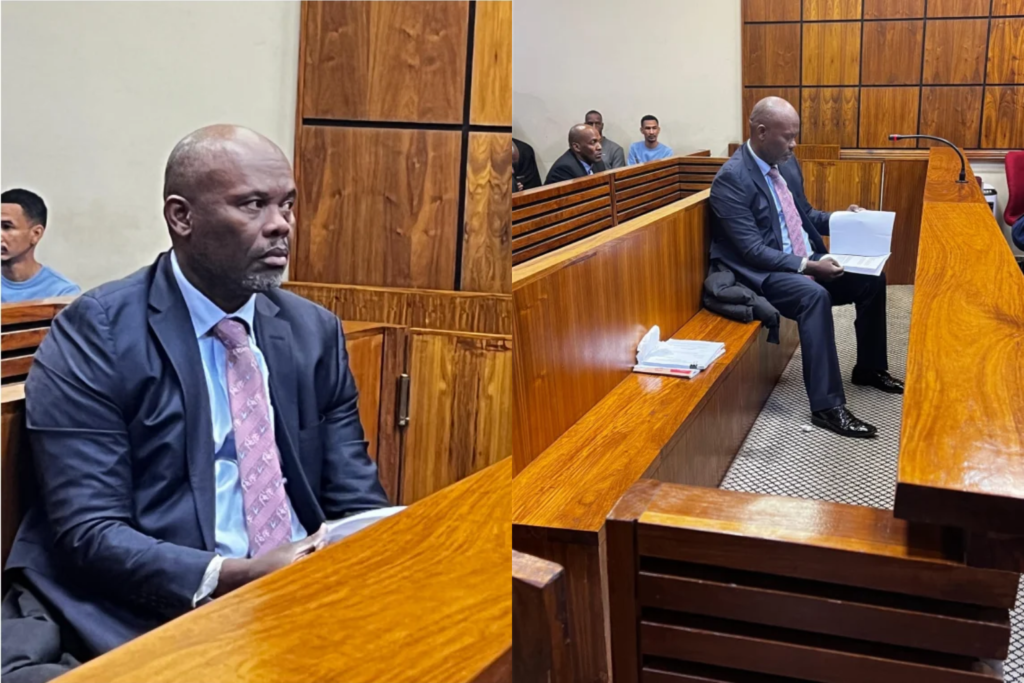
The future of Eastern Cape Judge President Selby Mbenenge has taken another dramatic turn after the Gauteng High Court in Pretoria temporarily halted the parliamentary process that could have led to his impeachment.
In an interim order handed down on Friday, 31 July 2026, the court barred Parliament and the National Assembly from acting on the Judicial Service Commission’s findings of gross misconduct until Mbenenge’s review application has been heard and decided.
The ruling marks a significant pause in one of South Africa’s most closely watched judicial controversies, buying the senior judge valuable time as he challenges the decisions that placed his career and reputation on the line.
At the centre of the legal battle are allegations of sexual harassment brought by judges’ secretary Andiswa Mengo. She alleges that between June 2021 and November 2022, Mbenenge repeatedly sent her unsolicited WhatsApp messages containing sexually explicit content and made unwanted advances during face to face encounters.
Mbenenge has consistently denied any wrongdoing, maintaining that the interactions between the two were consensual.
The matter has followed a complex legal path.
A Judicial Conduct Tribunal initially found that Mbenenge had committed a lesser form of misconduct by initiating what it described as a flirtatious workplace relationship. While critical of his conduct, the tribunal stopped short of finding gross misconduct, meaning the outcome would not have justified his removal from office.
That position changed dramatically in April 2026.
The Judicial Service Commission rejected the tribunal’s recommendation and instead concluded that Mbenenge’s conduct amounted to gross misconduct under Section 177 of the Constitution. The finding opened the door to impeachment proceedings and, in July, prompted the commission to recommend that President Cyril Ramaphosa suspend the judge while the process unfolded.
Facing the prospect of becoming the first senior South African judge to be removed from office over allegations of sexual misconduct, Mbenenge turned to the courts.
In June, he launched a review application seeking to overturn both the tribunal’s findings and the Judicial Service Commission’s decision. His legal team argues that the process was procedurally unfair, legally flawed and irrational, and that critical errors of law influenced the outcome.
Friday’s interim interdict effectively freezes the parliamentary process while those arguments are tested in court.
Although the ruling does not determine whether Mbenenge is guilty or innocent of the allegations against him, it prevents lawmakers from advancing impeachment proceedings until the review has been finalised.
The decision is expected to have far reaching implications, not only for Mbenenge’s future but also for how judicial disciplinary processes are interpreted and applied in South Africa.
With the review now set to become the next battleground, the country faces what could become one of the most significant legal tests involving judicial accountability, constitutional procedure and the independence of the courts in recent years.