‘Hands Off Gen Mkhwanazi’, Ndlozi Urges Protection of KZN Police Chief After Malema Attack
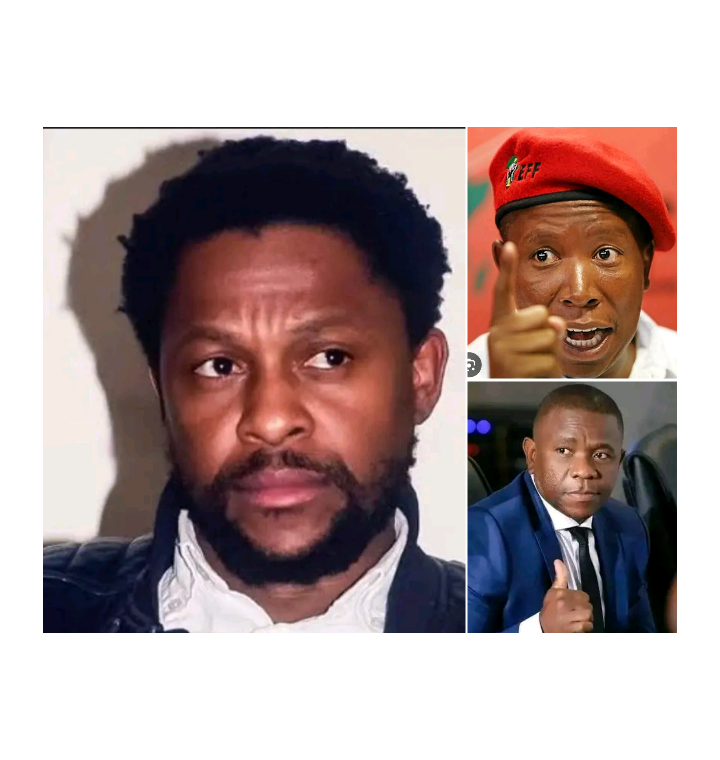
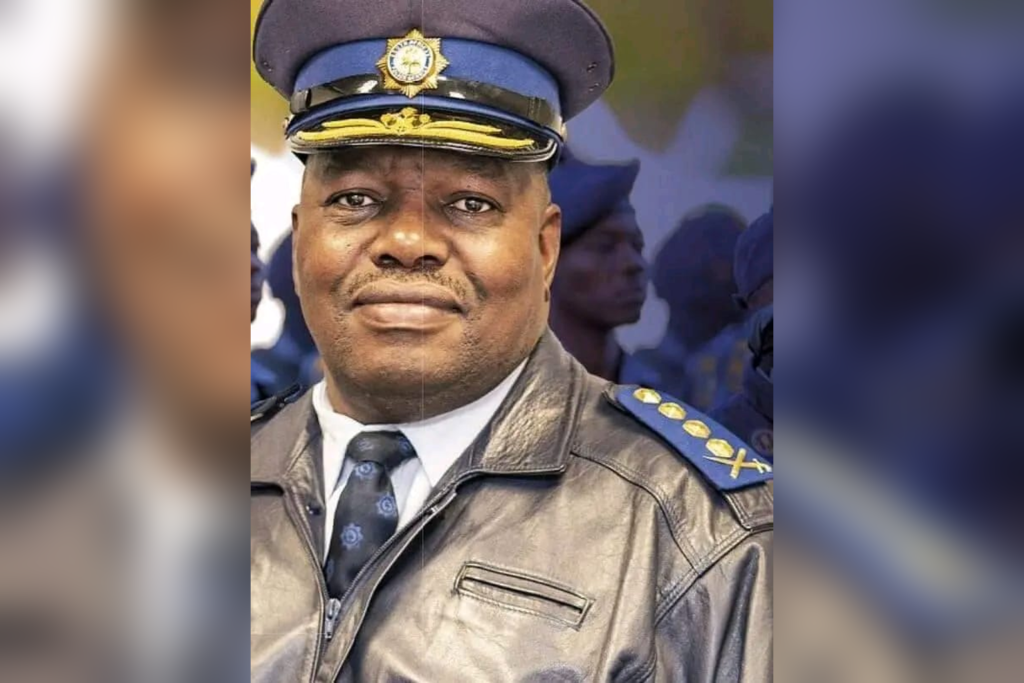
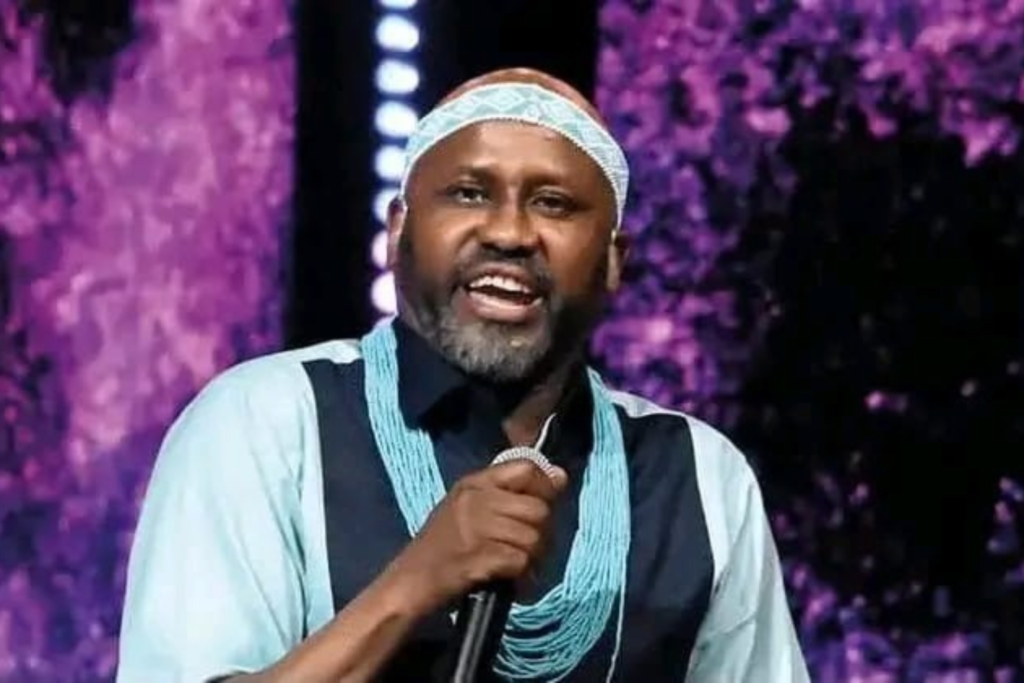
Political commentator and former EFF spokesperson Mbuyiseni Ndlozi has urged South Africans to protect KwaZulu-Natal Police Commissioner Nhlanhla Mkhwanazi, warning that failing to defend whistleblowers risks turning the country into a “mafia state.”
His comments come after a scathing attack by EFF leader Julius Malema during the EFF’s National Voter Registration Launch in Johannesburg yesterday.
Malema accused Mkhwanazi of trying to drag him into internal police disputes, particularly involving Crime Intelligence head Major-General Feroz Khan. He strongly denied any wrongdoing, insisting he has no corrupt ties within SAPS or involvement in police tenders.
Read also: Hands Off Our SABC: Activists Vow to Fight Any Move to Turn It Into ANC or Government Propaganda
Malema also labelled Mkhwanazi a “coward,” claiming the general did not confront him with the same intensity during in-person Ad Hoc Committee engagements. He rejected any attempt to link the EFF to the broader controversy surrounding the police leadership.
In a post on X, Ndlozi pushed back, saying: “Hands off Gen. Mkhwanazi! A society that doesn’t protect whistleblowers is doomed to become a mafia state.” He referenced the 2021 assassination of Babita Deokaran, who exposed major tender corruption before her killing, warning of the dangers faced by those who speak out.
Ndlozi argued that framing the issue as a personality clash or factional battle within SAPS distracts from the real issue allegations that organised crime networks are embedded among senior police officials and politicians. He insisted that such networks must be exposed and held accountable.
Mkhwanazi has been in the spotlight since July 2025, when he publicly alleged links between drug cartels, corrupt police officials, and political figures. His subsequent testimony before Parliament’s ad hoc committee now nearing the release of its final report has intensified national debate.
Ndlozi’s remarks have gained traction online, with supporters backing his call to defend Mkhwanazi as a key figure in the fight against corruption, while critics accuse him of politicising the matter. The unfolding developments continue to highlight deep divisions over accountability within South Africa’s law enforcement and political landscape.