Deputy Minister Godlimpi Highlights Path to Economic Revival in SONA Debate
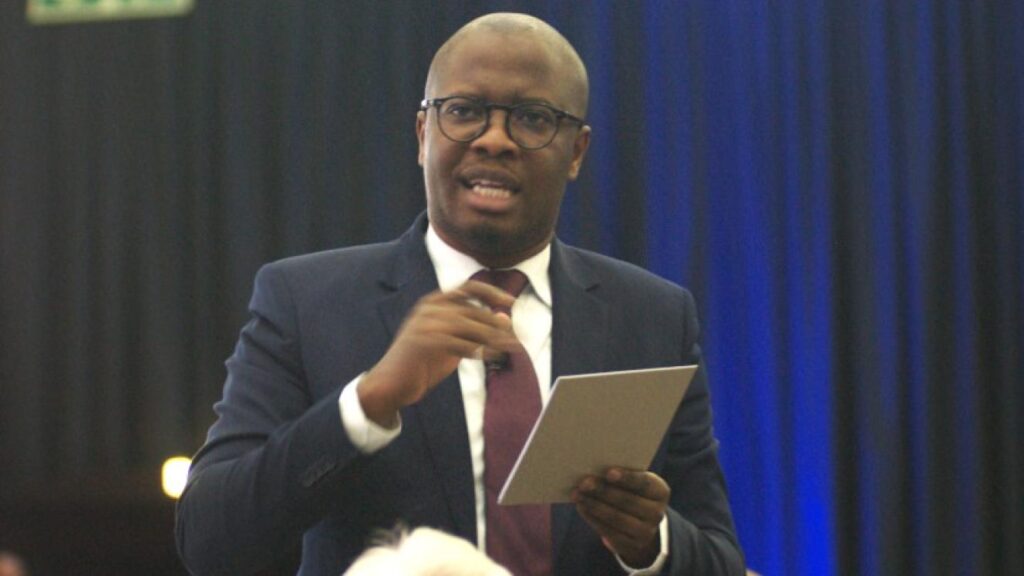
In a passionate address during the State of the Nation Address (SONA) debate on February 17, 2026, Deputy Minister Zuko Godlimpi emphasized South Africa’s urgent need to ramp up economic growth, rebuild industries, and create jobs on a massive scale. Speaking in Parliament, he outlined how the government is turning the tide on economic challenges through targeted strategies, while acknowledging that there’s still a long road ahead.
Godlimpi kicked off by aligning with President Cyril Ramaphosa’s vision for faster, more inclusive growth fueled by investments, infrastructure boosts, expanded trade, and a stronger developmental state. He stressed that industrial policy is at the heart of this push, aiming to ramp up production, spark innovation, boost local manufacturing, shift ownership patterns, and generate lasting jobs. This, he said, ties directly into the ANC’s 10-Point Plan to jumpstart the economy.
Diving into the facts, Godlimpi pointed out positive signs in the economy, backed by real data rather than wishful thinking. South Africa has seen four straight quarters of growth, with projections for 1.3% to 1.6% in the short term, expected to pick up as fixes in energy, logistics, and new investments kick in. Inflation is cooling down too, with forecasts at 3.3% for 2025 and 3.5% for 2026, which could lead to lower borrowing costs and more investment.
He celebrated the country’s removal from the FATF grey list in October 2025, which has eased international dealings and even led to the first credit rating improvements in years.
On the trade front, exports are holding strong despite global turbulence, with a surplus of R21.8 billion in September 2025. Godlimpi credited this to improvements in ports, logistics, and market access, proving that South African businesses can thrive when barriers are removed.
But he was clear: stability is just the starting point. To tackle unemployment head-on, growth needs to hit at least 3% to create new businesses and absorb job seekers. In a shifting global trade landscape marked by protectionism, South Africa is playing defense while expanding into new markets, especially through the African Continental Free Trade Area (AfCFTA).
Trade with AfCFTA countries is growing, but utilization of preferences is still low at around 3.85%. Godlimpi called for ramping this up to get South African goods into more African markets like Egypt and beyond. Outside Africa, deals with China, India, and Gulf states are opening doors for exports and attracting investments in areas like agro-processing and green hydrogen. He also noted the relief from AGOA’s renewal with the US, pledging ongoing talks to strengthen ties.
In a touching aside, Godlimpi paid tribute to the late Reverend Jesse Jackson, who passed away at 84 that day. He hailed Jackson as a steadfast ally in South Africa’s fight against apartheid and a defender of the nation’s democratic progress.
Turning to key industries, Godlimpi highlighted government interventions to protect steel production through the Industrial Development Corporation, ensuring downstream jobs in construction and autos aren’t lost. In mining and smelters, efforts to slash electricity costs from R2 to about 87 cents per kWh for chrome are aimed at keeping operations running, saving jobs, and boosting mineral processing. The sugar sector is getting similar support to safeguard over 65,000 jobs amid challenges like those at Tongaat Hulett.
Godlimpi didn’t mince words on the illicit economy, calling it a direct threat to jobs and revenue. He cited BAT South Africa’s plan to close its Heidelberg factory by year’s end due to illicit cigarettes dominating 75% of the market, which has slashed legitimate production. This, he said, is part of a bigger problem including counterfeits and smuggling that hurts honest businesses and consumers. The fix? Beefed-up customs, better border controls, and tougher prosecutions.
Wrapping up, Godlimpi reiterated that the improving economy with better growth, lower inflation, and resilient trade is no accident. It’s the result of deliberate actions to fix fundamentals, defend industries, diversify exports, and crack down on illicit trade. If these efforts continue, he believes South Africa can sustain 3%+ growth, finally making a dent in unemployment.