EFF challenges ruling, calls for rules to be followed in the chamber
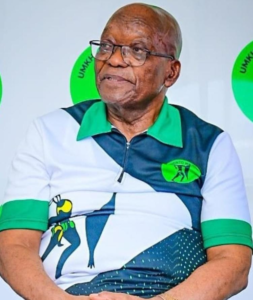
A tense exchange in Parliament briefly disrupted the 2026 State of the Nation Address debate on Tuesday after the presiding chair initially declined to recognise former President Jacob Zuma, who attended the sitting in Cape Town.
The moment unfolded as lawmakers debated the address and attention shifted to Zuma’s presence in the House. When members sought formal recognition of the former head of state, the chair ruled that there was no provision for the acknowledgement in the manner being requested.
Zuma, now leader of the uMkhonto weSizwe (MK) Party, remains one of the country’s most polarising political figures, and his appearance in high-profile parliamentary settings can quickly raise the temperature in the chamber.
“Go back and read the rules,” EFF MP tells the chair
The atmosphere sharpened when Economic Freedom Fighters (EFF) MP Leigh-Ann Mathys challenged the ruling, urging the chair to revisit the House rules and arguing that former heads of state should be acknowledged.
Mathys framed her objection as a matter of principle and procedure, insisting that the rules must be applied consistently, regardless of personal views or party politics. She cited past acknowledgements of former leaders to support her position, warning against decisions that appeared selective or discretionary.
The chair responded firmly, saying a ruling had been made and that proceedings should continue. But Mathys refused to let the issue slide. She pressed for clarity, asking the chair to point to the specific rule behind the decision and arguing that Parliament’s authority rests on transparent, rule-based conduct rather than ad hoc judgments.
Chair later acknowledges Zuma’s presence
After the exchange and rising murmurs in the chamber, the chair ultimately shifted course. Before calling the next speaker, she formally acknowledged Zuma’s presence, recognising him as a former President of the Republic of South Africa who was in attendance.
The moment brought the standoff to a close and allowed the debate to move forward, but not without leaving a clear impression. It was a reminder of how quickly symbolism and procedure can collide in Parliament, especially during the charged atmosphere of SONA debates, where every gesture carries weight and every decision is scrutinised.
What happens next
While the immediate dispute ended with Zuma being acknowledged, the exchange exposed the deeper tensions that continue to shape parliamentary politics. It also renewed questions about how the House interprets its own rules in sensitive moments, and how leaders in the chair balance order, precedent, and political realities when the spotlight is at its brightest.