A Candid Look at South Africa’s Challenges: Ramaphosa’s Bold Plans to Fight Crime and Gangs
President Cyril Ramaphosa gave a straightforward take on the country’s tough spots during his speech, laying out clear steps to deal with organized crime and gang violence.
This was his ninth state of the nation address, happening amid water shortages in Johannesburg and other areas, where people are still dealing with crime, corruption, and a general breakdown in services.
Folks might be weary of government promises, but this one seemed to nod to the partners in the government of national unity, hitting on a lot of their key asks from a recent meeting.
Things like sending the army to gang hotspots in the Western Cape and against illegal mining, revamping the police, and setting up a way to resolve tender disputes were all on the table.
He started off by highlighting the positives: the economy bouncing back, a stronger rand, more investor interest, rising stock appeal, and no more full-on power cuts, though some spots still face reductions.
“We’re in a better place than last year. The economy’s picking up speed,” he noted, getting some cheers and boos in the mix.
He pointed to upgrades in credit ratings, the lowest inflation in years, and getting off an international financial watchlist as signs things are improving.
But he admitted, “We’re still not where we need to be.”
No quick wins here—the government knows life is rough for many. “We can only be strong when we’re equal,” he added.
Shifting to everyday struggles, he talked about kids in the Western Cape caught in gang crossfire, and how organized crime is the biggest threat to democracy, society, and growth right now.
To ramp up the response, they’ll centralize intelligence, target key crime groups, and send in specialized teams to break them down.
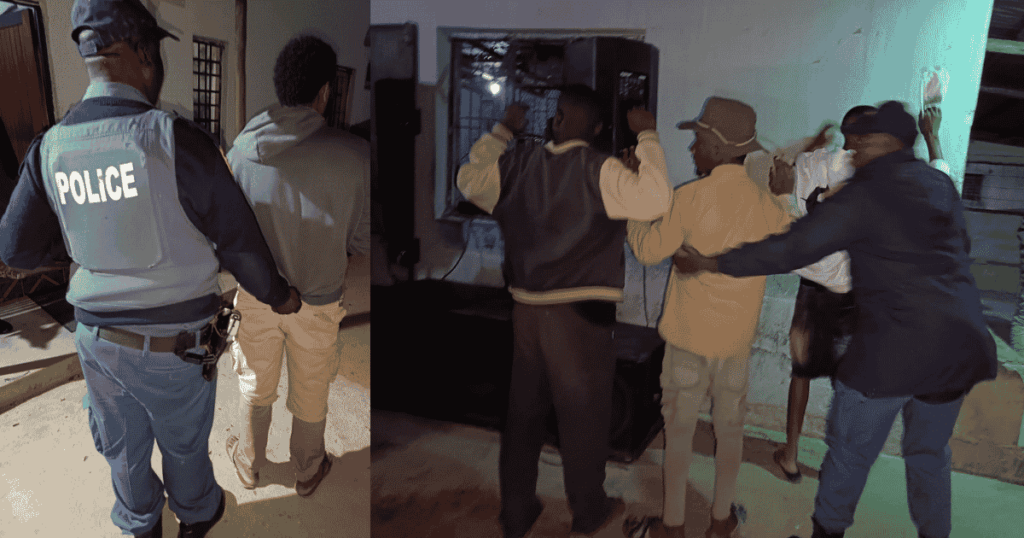
Responding to calls from hard-hit communities in the Cape Flats, he announced army support for police against gangs in the Western Cape and illegal mining in Gauteng.
He’s tasked the police and defense leaders with a plan on where to deploy troops in those areas.
Plus, they’re tightening gun rules and enforcement to cut down on violence.
More cops are coming: 5,500 new recruits this year, on top of 20,000 from before.
He stressed quick action on findings from an ongoing commission exposing police corruption.
He owned up that the water mess stems from bad planning and neglected maintenance by local governments, leading to dry taps.
No easy fix—it’s from years of systemic issues and ignored infrastructure.
For the long haul, they’re building dams and fixing old ones, with over R156 billion earmarked for water projects in the next three years.
Big builds like the Lesotho Highlands and others in the Eastern Cape are moving forward.
They’re wrapping up a new agency to handle national water infrastructure and funding.
But the real issue is delivery to homes. A new bill will hold providers accountable, pulling licenses if they flop.
If a municipality can’t handle it, someone else steps in.
These changes should get to the heart of the water problems.
He also declared the foot-and-mouth disease outbreak a national disaster, unlocking resources to tackle it affecting farms.