
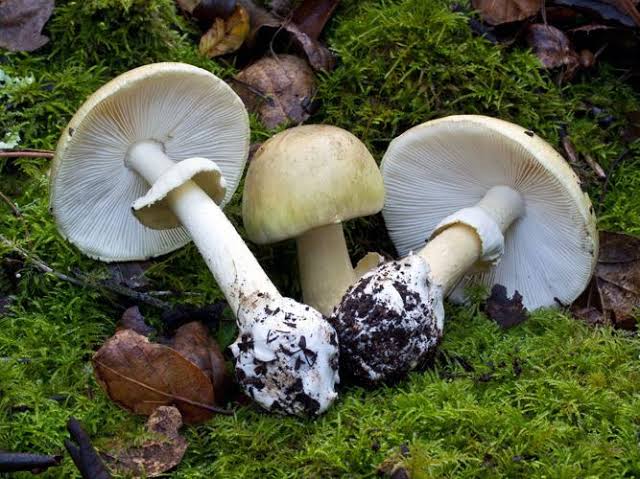
It’s heartbreaking to hear that four people have lost their lives, and three others needed liver transplants, after eating death cap mushrooms. These toxic fungi are popping up everywhere in California thanks to a wet winter, making foraging a risky business this year.
Experts are advising everyone to steer clear of picking wild mushrooms altogether because death caps look a lot like safe, edible ones. Since mid-November, over three dozen cases of poisoning have been reported, leading to those deaths and transplants. Many folks ended up with severe liver damage that hit fast, some even needing intensive care. The victims ranged from toddlers as young as 19 months to adults up to 67 years old.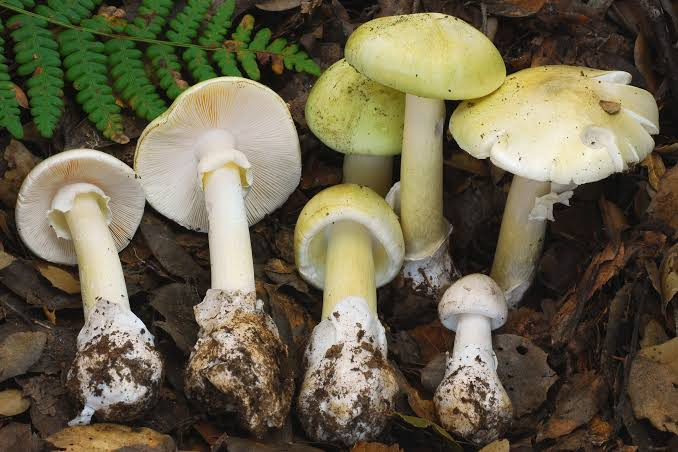
Death caps are among the world’s deadliest mushrooms, packed with powerful toxins that cause most fatal mushroom poisonings globally. You’ll find them in city parks, forests, often under oak trees.
Usually, there are just a handful of these poisonings each year, but this season’s been way worse nearly 40 cases so far. The combo of warm fall weather and early rains has caused a massive surge in these mushrooms.
Even a tiny bite can kill you, and color isn’t a good clue for safety. Cooking, drying, or eating them raw doesn’t neutralize the poison.
One family in Northern California thought the mushrooms resembled ones they safely foraged back home. The parents ate them twice once fresh, then in soup and got terribly sick with vomiting, missing work. The mom spent days in the hospital, and the dad needed a liver transplant. Luckily, their kids skipped the mushrooms.
Symptoms can start with stomach cramps, nausea, diarrhea, or vomiting within a day, and things can spiral quickly. Sometimes early signs fade, but liver failure can still kick in a couple days later.
These mushrooms have been spotted in parks across Northern and Central California, especially around Monterey and the Bay Area.
Many of those affected speak Spanish, Mixteco, or Mandarin, so warnings are going out in multiple languages. Over 60% of cases involved Spanish speakers.
Death caps mimic safe varieties from different parts of the world and change looks as they grow from brownish-white to greenish caps. Unless you’re a pro, it’s tough to tell them apart.
Kids have been hit too, so keep an eye on little ones and pets outdoors where mushrooms grow. Stick to buying from stores or trusted sellers.
If you think you’ve eaten a bad mushroom, get medical help right away treatment’s harder once symptoms ramp up.
Nationwide, mushroom exposures of all kinds jumped 40% from September to January compared to last year, though not all lead to sickness.