Gazans Battle Daily Hardships in Freezing Winter Amid Ongoing Destruction
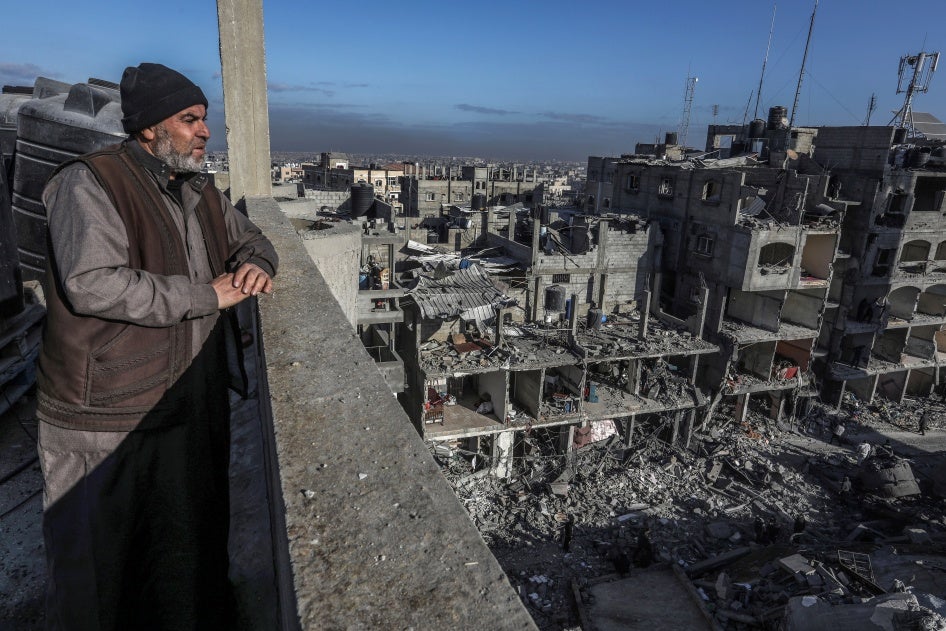
In the midst of brutal winter cold, Palestinians in Gaza are fighting every day just to survive in the ruins left by Israel’s intense bombardment of the area.
Nearly four months after a fragile ceasefire brokered by the US, most people are still crammed into temporary shelters, with barely any money coming in, and constantly scrambling for basic things like food and water.
On a recent Friday in the Muwasi tent camp in southern Gaza, a crowd gathered with their plastic bottles and jerrycans, waiting to fill up on drinking water.
They often have to trek long distances daily to get clean water, then carefully portion it out until the next delivery truck shows up.
“It takes three to four hours to get 100 liters of water. The struggle for water is incredibly tough,” said Mohamed Abu Rabie, who was forced out of Rafah.
As kids and grown-ups line up patiently for their turn, he expressed hope that water trucks could be stationed closer to their tents.
Many folks perched on their jerrycans for a quick rest before hauling the heavy loads back through the exhausting walk to their shelters.
“Before the war, Muwasi was just desert land. It lacked any essentials,” said Saddam Naji, who walked over two kilometers for water. “There’s no way to get around easily. We’re worn out.”
In other parts of Muwasi, people swarm around a makeshift charity kitchen, clutching pots and plastic bags, desperate for a bit of rice.
While a few shops and markets have popped up with limited stock, most can’t afford to buy anything.
Tamara al-Masry, displaced from Beit Hanoun, described how bad things are.
“They can’t afford it. They come to the charity kitchens, and there’s famine. There’s food, but people can’t buy it. There’s no income. I have no income,” she said.
Even with the ceasefire in place, only tiny amounts of aid are making it into Gaza, and with occasional strikes still happening, everyone’s on edge that full-scale fighting could erupt again.