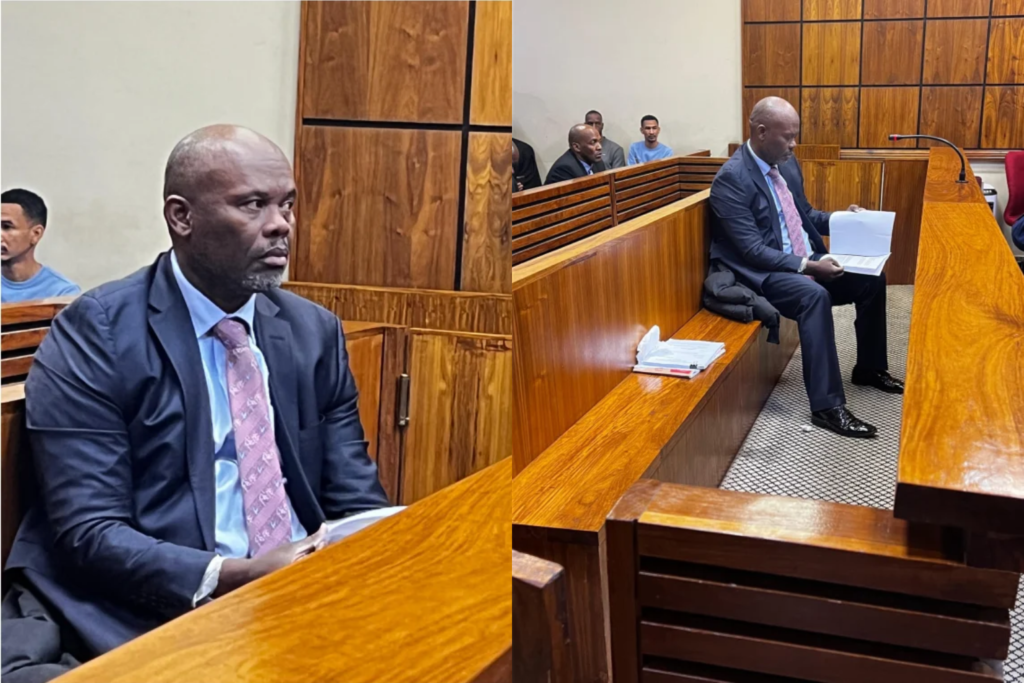
Madlanga Commission Day 2: Mkhwanazi Expands on Alleged Operational Sabotage and Internal Power Struggles
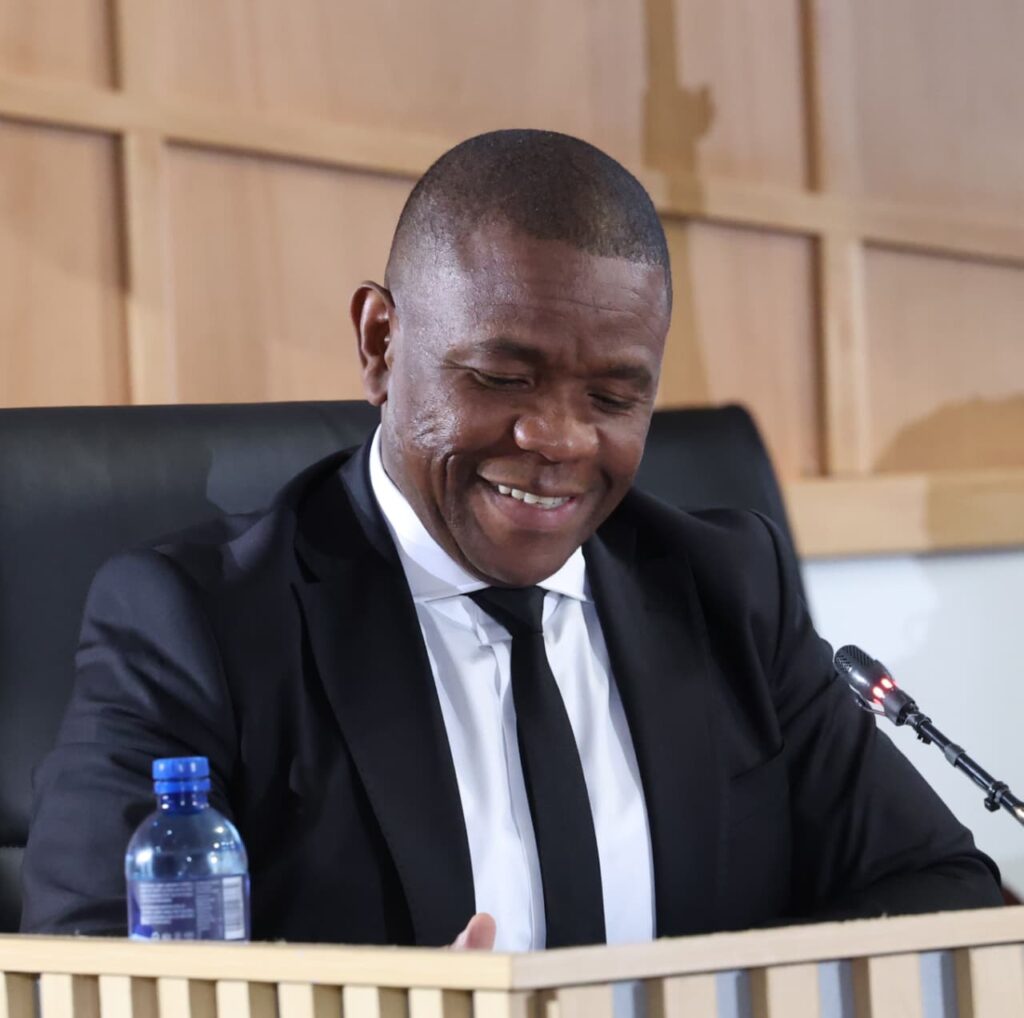
Public hearings of the Madlanga Commission of Inquiry continued in Pretoria on 18 September 2025 with the second day of testimony focused on expanding the factual and operational detail underpinning Lieutenant-General Nhlanhla Mkhwanazi’s allegations.
Where Day 1 established the framework, mandate and historical context of the inquiry, Day 2 moved deeper into the mechanics of alleged interference within law enforcement structures and the internal dynamics that, according to Mkhwanazi, undermined sensitive investigations.
The proceedings reinforced that the commission’s task is not limited to isolated incidents, but to examine whether systemic dysfunction has been deliberately engineered.
Continuation of Mkhwanazi’s evidence under oath
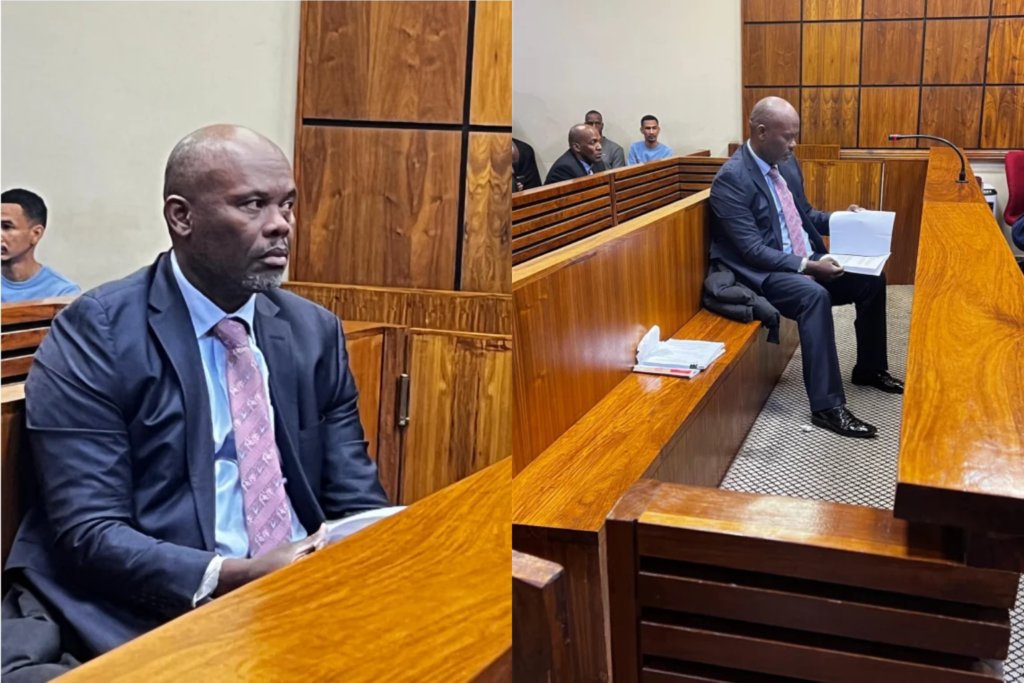
Mkhwanazi resumed his testimony by confirming that his evidence on Day 2 flowed directly from the written statement and annexures already placed before the commission. He reiterated that his appearance was not motivated by personal grievance or factional contestation, but by what he described as a sustained pattern of operational obstruction encountered across multiple policing environments.
Operational decisions and alleged manipulation of investigations
Day 2 focused heavily on decisions taken at senior management level that, according to Mkhwanazi, had the effect of weakening or derailing active investigations. He testified that in several instances, arrests authorised through established operational channels were followed by unexplained delays, changes in command responsibility, or the withdrawal of investigative resources.
Internal contestation and leadership instability
The testimony further addressed instability within key intelligence and operational units. Mkhwanazi described frequent leadership changes, suspensions and acting appointments that disrupted continuity and weakened institutional memory.
Role of intelligence structures examined
A significant portion of Day 2 examined the role of intelligence within SAPS. Mkhwanazi testified that intelligence reports identifying risks to investigations were at times disregarded or overridden.
Impact on investigator safety and morale
The commission was told that operational uncertainty had direct consequences for investigator safety and morale. Investigators working on politically linked cases reported feeling isolated and unsupported.
Clarification on scope and fairness of inquiry
Evidence leaders emphasised that the commission does not accept any version of events at face value and reaffirmed commitments to procedural fairness.
What Day 2 added to the overall picture
Day 2 built on the foundation laid on the opening day by shifting the focus from broad allegations to operational detail, suggesting possible systemic compromise if claims are substantiated.