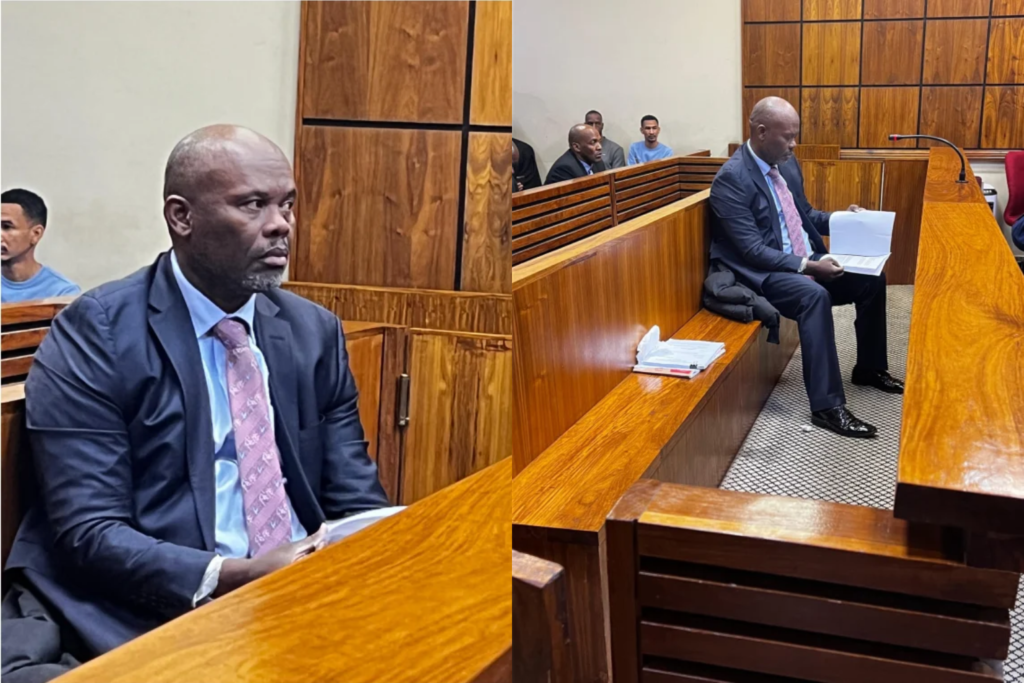
Former Presidents Seek Chair’s Recusal as TRC Interference Commission Faces Time Pressure
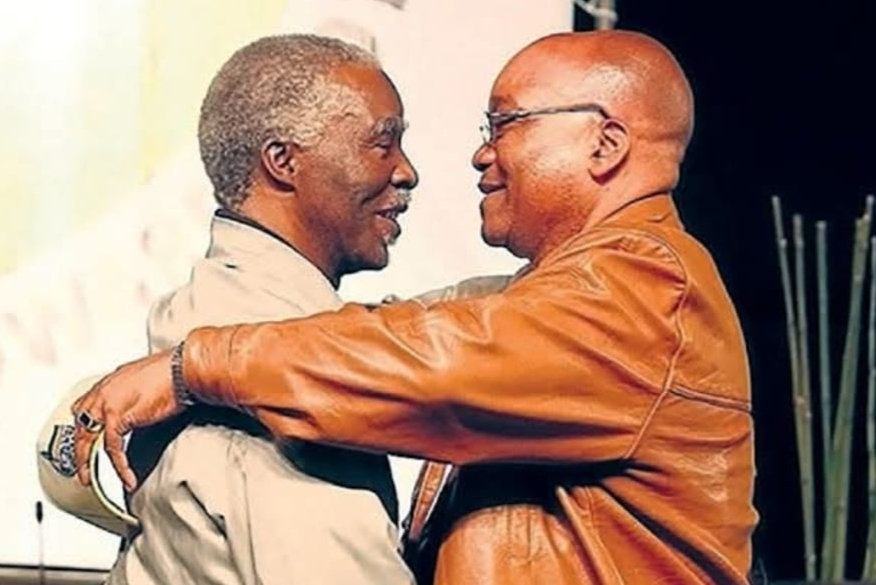
Two high-profile recusal applications are currently before the Commission, brought by former Presidents Jacob Zuma and Thabo Mbeki, raising fresh tension over the future of its work.
Former President Zuma submitted his application on 15 December 2025, followed days later by former President Mbeki and four former Cabinet ministers. The Commission heard arguments on both applications on 16 January 2026.
The applications are strongly opposed by the Calata Group, which represents 25 families and survivors of people who were forcibly disappeared or murdered during the struggle against apartheid. The evidence leaders appointed to the Commission have also rejected the recusal bids, arguing that they lack merit.
The Commission itself was established in May 2025 to investigate whether attempts were made to obstruct investigations or prosecutions linked to Truth and Reconciliation Commission cases. Although it was originally expected to complete its work within six months, delays and logistical challenges led to an extension of its mandate until July 2026.
The timing of the recusal applications has raised concern. They were filed only during the extended period, not during the Commission’s initial months of operation. If successful, the applications would effectively halt the Commission’s work until a new chairperson is appointed, making it highly unlikely that the inquiry could finish its mandate within the remaining time.
Former President Zuma’s application is sharply worded and includes accusations and statements the Commission has described as inappropriate and unsupported by evidence. He argues that the chairperson should step aside due to both actual bias and a reasonable apprehension of bias.
Former President Mbeki’s application, while more measured in tone, also claims that there is a reasonable perception of bias and questions the chairperson’s continued role.
Both former Presidents rely on similar arguments, pointing to the chairperson’s past roles within the Truth and Reconciliation Commission and the National Prosecuting Authority. Because of this overlap, the Commission has elected to consider the applications together and issue a single ruling.
As the Commission works against the clock, the outcome of these applications could determine whether it completes its task or faces further delays in addressing one of the most sensitive legacies of South Africa’s past.