Eyes on ANC Provincial Secretary Lulama Ngcukayitobi As Future Leader
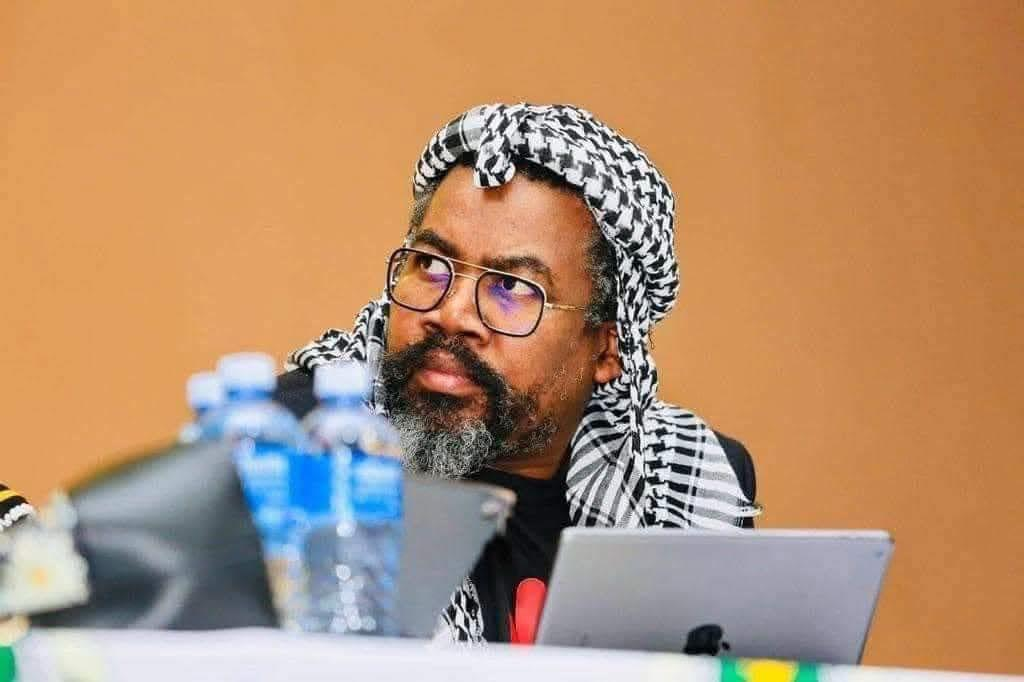
As internal discussions within the ANC Eastern Cape begin to gather pace ahead of the next elective conference, the name of Comrade Lulama Ngcukayitobi, the current ANC Provincial Secretary, is increasingly surfacing in conversations about the organisation’s future leadership.
An insider has revealed that Ngcukayitobi is regarded as a “disciplined organiser with more than three decades of experience in the movement, having served across branch, regional, and provincial structures.”
Known for his calm demeanour and consultative approach, he is seen by some within the ANC as a figure whose leadership style contrasts with the heightened factionalism that has characterised recent years.
“His political work is underpinned by a solid background in public service,” the source revealed.
A former educator in the Department of Basic Education, Ngcukayitobi gained firsthand exposure to the structural challenges facing public schooling, particularly in under-resourced communities. He later served as a director in local government, where he developed practical experience in governance, service delivery, and local economic development.
Within ANC circles, Ngcukayitobi has long been associated with calls for organisational renewal and ethical leadership.
“He is linked to views that the movement must return to its foundational role as a servant of the people, decisively confronting corruption, patronage, and the misuse of organisational power,” another source stated.
“He has also been supportive of policy debates aimed at social protection for the unemployed, including discussions around a Basic Income Grant.”
The emerging leadership debate in the province is increasingly being framed as “new leadership versus continuity”, with the current ANC Eastern Cape Chairperson, Oscar Mabuyane, widely expected to seek a third term. Observers suggest that Ngcukayitobi’s profile represents a fresh option, introducing new perspectives into discussions about leadership culture, accountability, and the future direction of the organisation.
Having previously been active in youth and student formations, he is viewed as someone attuned to the challenges facing young people, particularly unemployment, access to education, and economic inclusion.
For now, these discussions remain informal and unconfirmed, with any clarity likely to emerge through direct engagement with the individuals concerned as the ANC’s internal processes unfold.