On this day in 2024: Senzo Mchunu orders disbandment of Political Killings Task Team
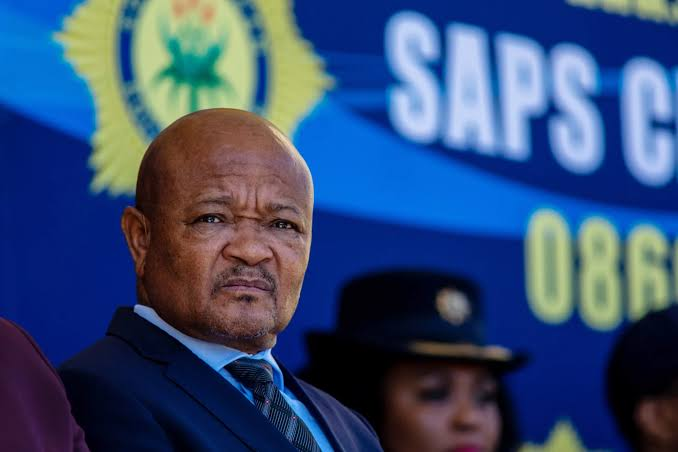
On this day in 2024, South Africa was shaken by a controversial directive issued on New Year’s Eve by then Police Minister Senzo Mchunu, ordering the immediate disbandment of the Political Killings Task Team.
The instruction, delivered in a letter dated 31 December 2024 to National Police Commissioner General Fannie Masemola, called for the shutdown of the KwaZulu-Natal-based unit tasked with investigating politically motivated murders. Issued while much of the country was on holiday, the decision triggered alarm among security experts and political leaders, who questioned both its timing and intent.
Mchunu later defended the directive, stating that the task team, established in 2018, was a temporary structure whose mandate had expired. He cited budgetary pressures and a 2019 work study that recommended integrating the unit’s functions into the SAPS Murder and Robbery Unit. He also said the task team had not undergone a formal review since 2022.
The move was met with resistance from within the police service. General Masemola said he was on leave at the time and had not been consulted, describing the order as unlawful and an infringement on operational independence.
He subsequently escalated the matter to President Cyril Ramaphosa. KwaZulu-Natal police commissioner Lieutenant General Nhlanhla Mkhwanazi later alleged that the disbandment was intended to derail investigations into a powerful criminal syndicate with political links.
He claimed the task team was close to making significant breakthroughs at the time of its shutdown. The decision also drew criticism from senior political figures, including former Police Minister Bheki Cele, who said the lack of consultation undermined established policing processes.
A year later, the consequences of the New Year’s Eve directive continue to reverberate. Mchunu is on special leave, the Madlanga Commission of Inquiry is examining the circumstances surrounding the disbandment, and the Political Killings Task Team is reported to be operating under ongoing uncertainty.
The episode has become a defining moment in debates around political interference, police independence and South Africa’s ability to confront politically linked violence.