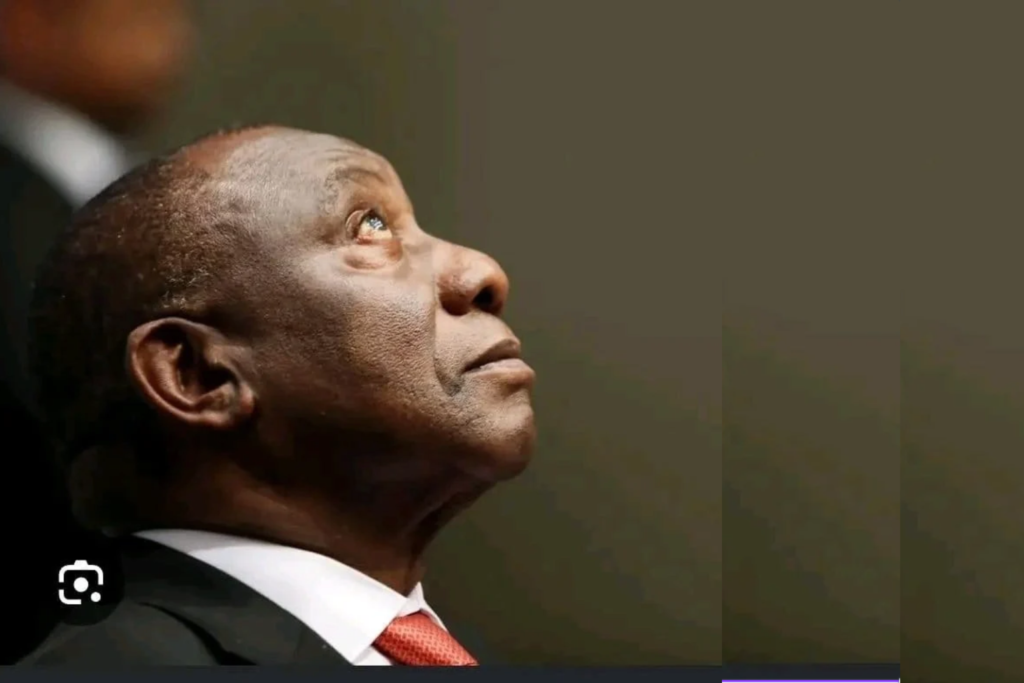
Senior SAPS Commanders Clash Over Responsibility for PKTT Case Delays
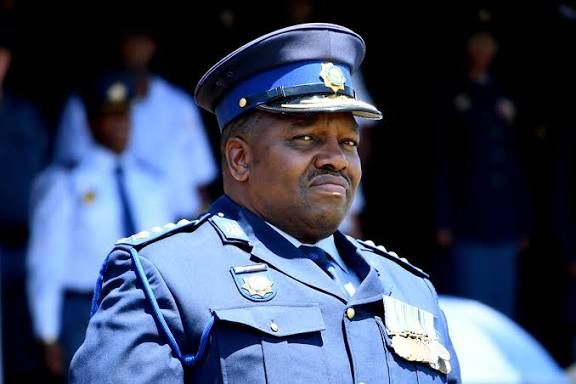
Sharp differences emerged before the Madlanga Commission as senior SAPS commanders offered conflicting accounts regarding who was responsible for delays in investigations linked to PKTT dockets, exposing deep fault lines within police leadership structures.
At the heart of the dispute is a fundamental question of accountability: once the PKTT transferred its cases, who retained strategic oversight, and who bore responsibility for ensuring progress?
Some witnesses testified that once dockets were formally handed to provincial structures, responsibility shifted entirely to those divisions. Others countered that national leadership retained an obligation to monitor progress, particularly given the sensitivity and scale of the matters involved.
Commissioners repeatedly pressed witnesses on why delays were allowed to persist without escalation. In response, several senior officers acknowledged that reporting lines were unclear and that no formal escalation trigger existed to flag stagnating cases.
The testimony painted a picture of an organisation in which authority is distributed but accountability is diffused. Commissioners noted that while SAPS operates within a hierarchical command structure, the PKTT transfer exposed gaps between strategic oversight and operational control.
One witness conceded that while performance reporting mechanisms exist, they are often focused on aggregate statistics rather than individual high-risk dockets. This meant that stalled PKTT cases could remain invisible within broader performance data.
Legal representatives assisting the commission questioned whether the absence of clear ownership created an environment in which responsibility could be deflected rather than exercised. The conflicting testimonies, they argued, suggested that leadership ambiguity was not incidental but systemic.
Commissioners also examined whether internal culture played a role. Evidence suggested that senior officers were reluctant to intervene in cases perceived to fall outside their immediate command, even when warning signs emerged.
The clash in testimony has become one of the most revealing aspects of the hearings so far. It highlights a structural tension within SAPS between decentralised operational authority and centralised accountability expectations.
The commission is now expected to assess whether leadership ambiguity constitutes a governance failure and whether clearer command protocols are required when high-risk investigations cross unit boundaries.
Ultimately, the findings may have implications far beyond the PKTT dockets, potentially reshaping how SAPS assigns responsibility for complex investigations in the future.
Visit MDNtv YouTube Channel for our video content
- case management gaps, centralised accountability, command structure, decentralised authority, governance failure, high-risk investigations, investigative responsibility, law enforcement inquiry, leadership ambiguity, madlanga commission, MDN&x%, MDNTV, operational control, performance reporting, PKTT case delays, PKTT dockets, police accountability, police oversight., SAPS leadership clash, south africa news, strategic oversight