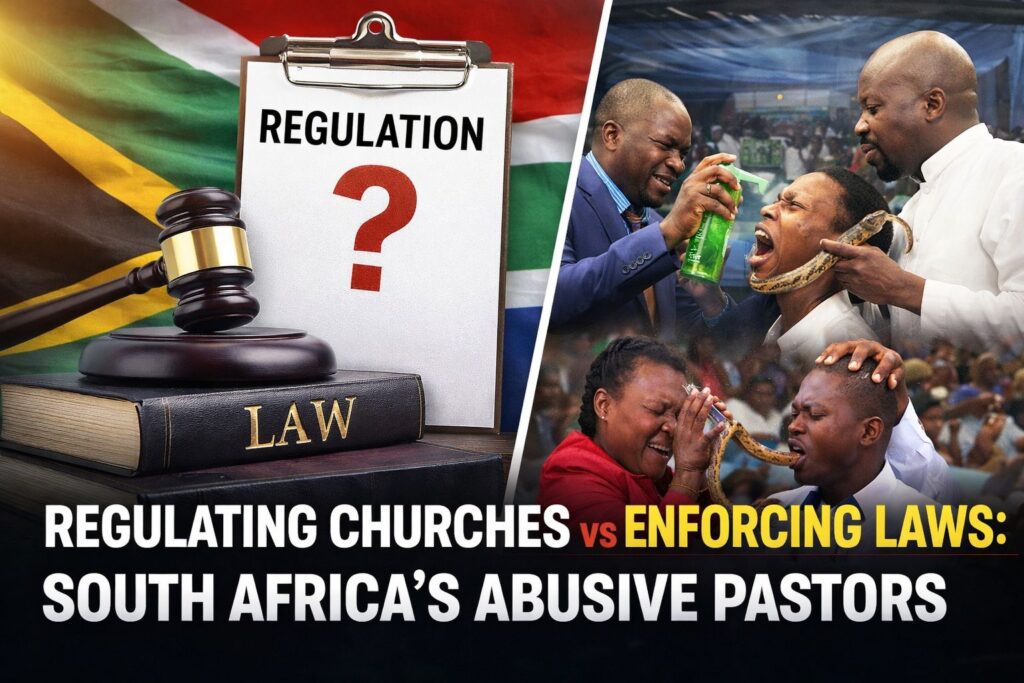
As the CRL Rights Commission, through its Section 22 Ad Hoc Committee for the Christian Sector, launches a national consultation on a proposed self-regulatory framework for churches, South Africans are being told that new mechanisms are necessary to curb abuse and exploitation within religious spaces.
The implication is clear: that existing South African laws are inadequate when abuse occurs in churches.
But the facts tell a very different story.
South Africa already has robust criminal, civil, and regulatory laws that apply fully to churches and religious leaders. Courts have repeatedly demonstrated that these laws work, including in cases frequently cited to justify the CRL’s intervention.
The Doom Pastor Case Ends the Argument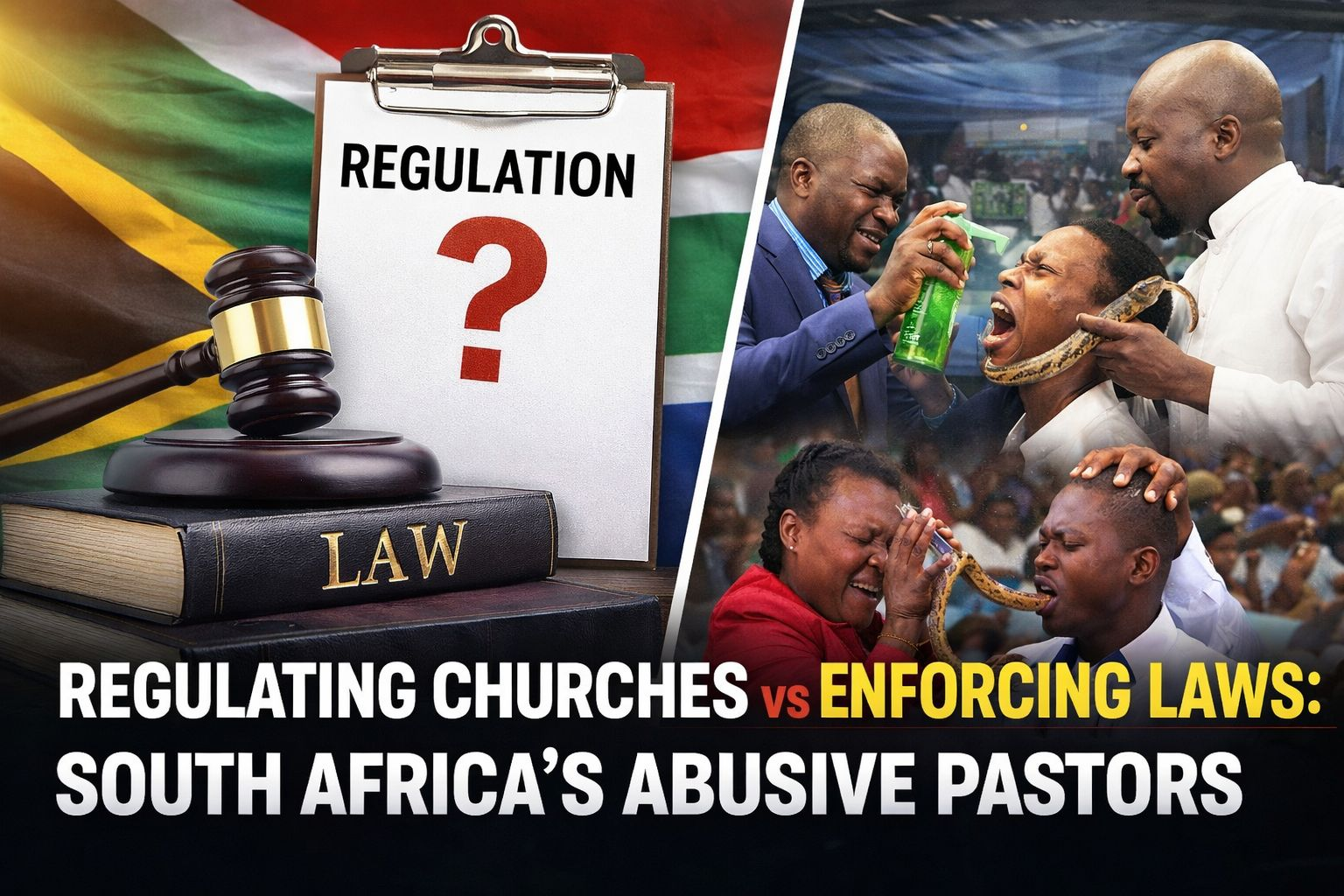
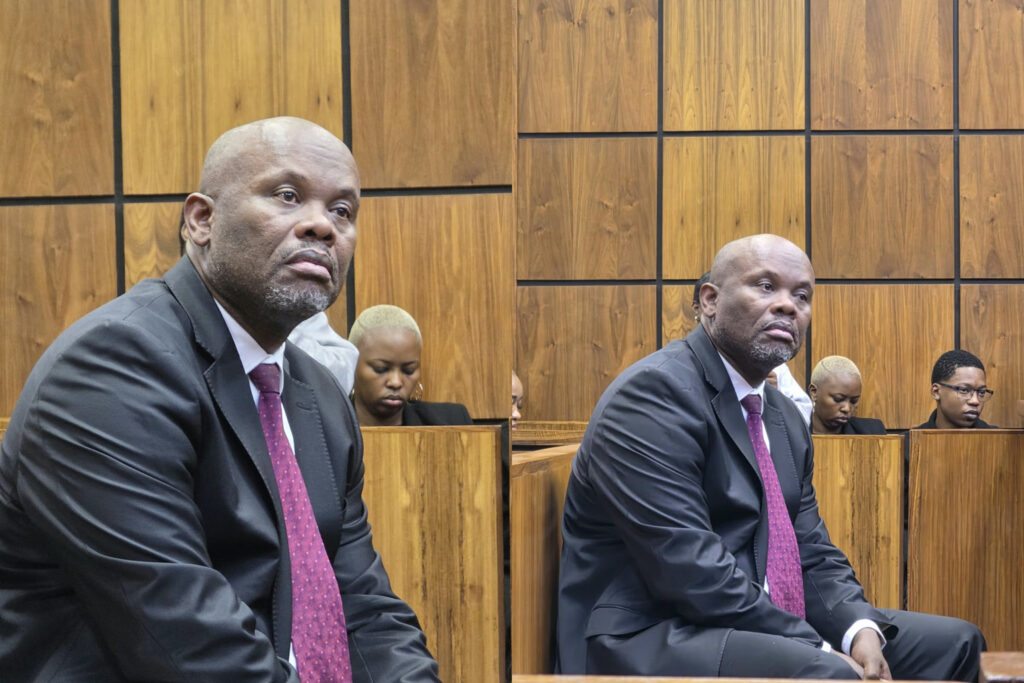
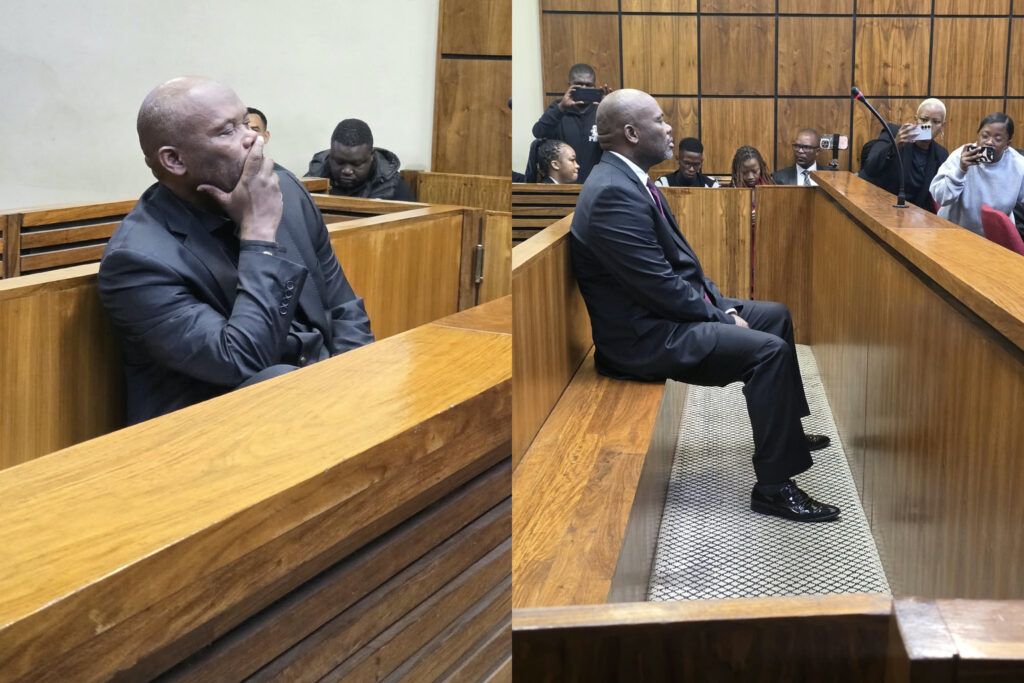
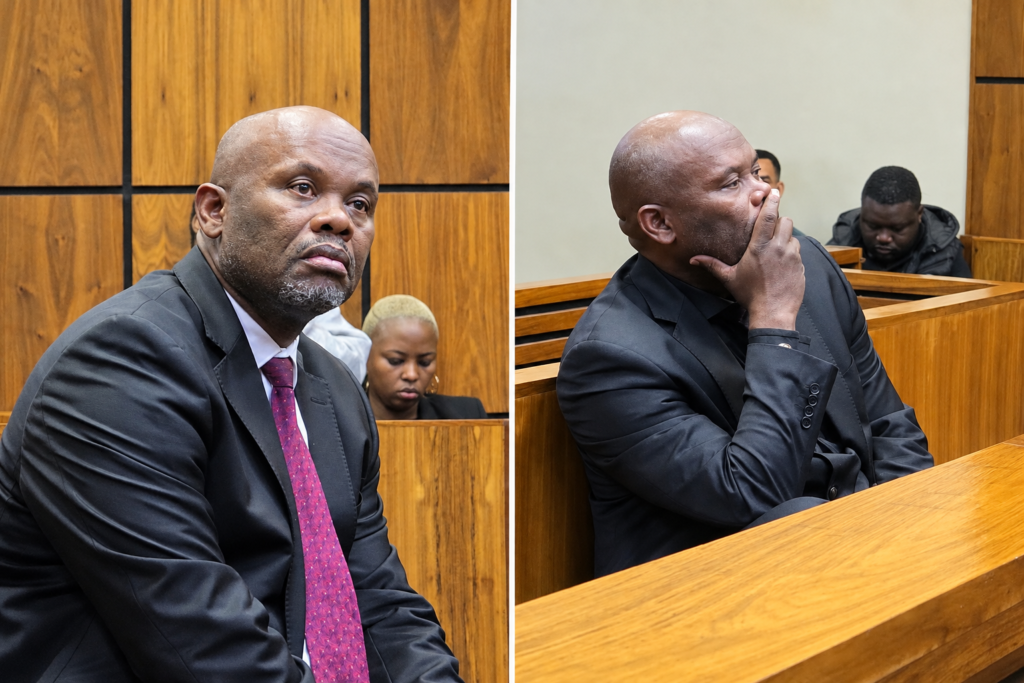
In 2018, Limpopo-based pastor Lethebo Rabalago was convicted after spraying congregants with the insecticide Doom during church services.
The criminal justice system responded decisively. Rabalago was found guilty of assault with intent to cause grievous bodily harm, convicted under the Agricultural Remedies Act, restrained by a High Court interdict, and sentenced to pay substantial fines with imprisonment as an alternative.
Crucially, the court ruled that congregants’ consent did not make the conduct lawful.
This case alone dismantles the claim that South Africa lacks legal tools to address abuse when it occurs in church settings.
And It Was Never an Isolated Incident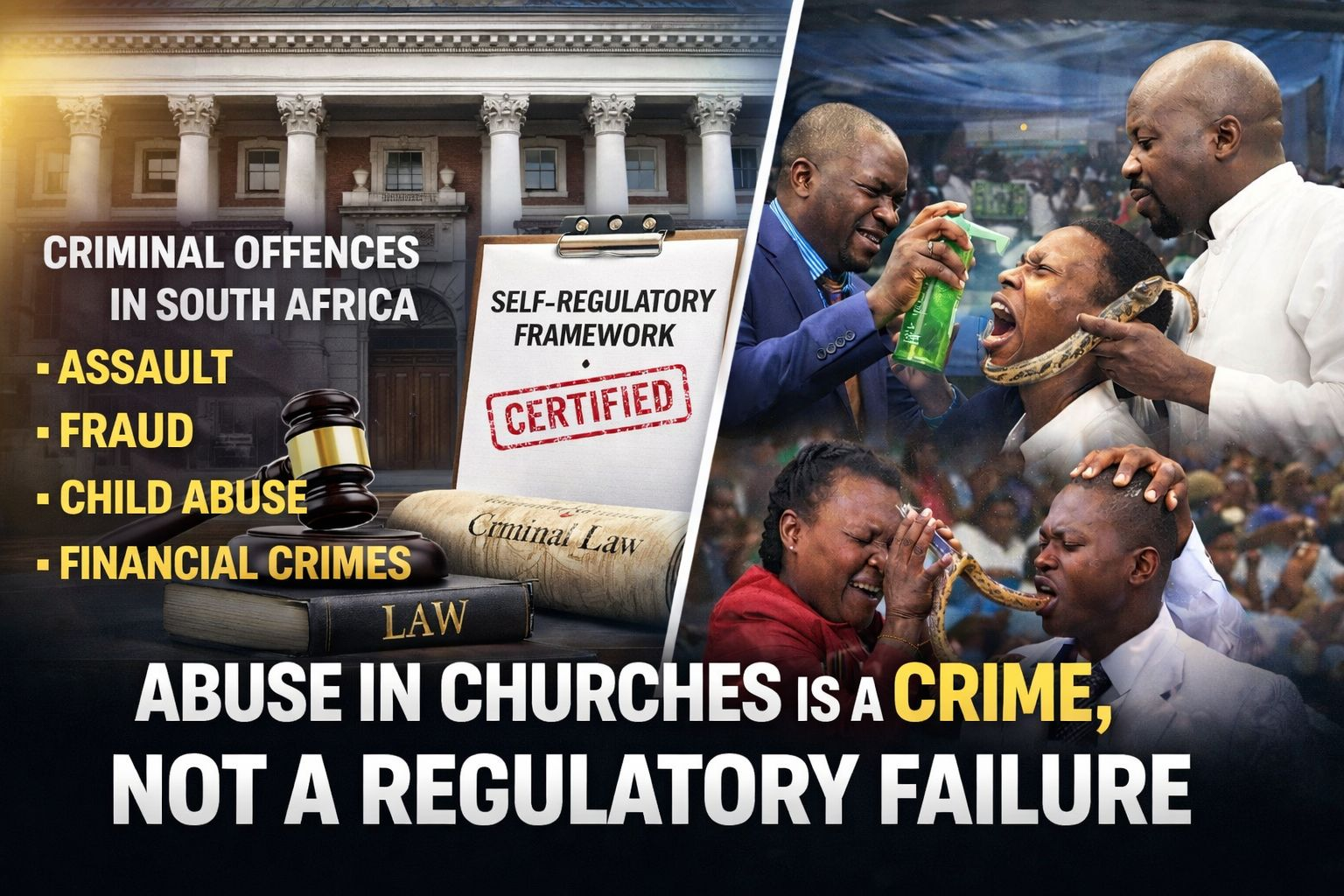
Pastors and church leaders in South Africa have been arrested and prosecuted for fraud, sexual assault, child abuse, and financial crimes under existing law.
The CRL Rights Commission itself has referenced such cases as justification for regulatory reform. Yet in each instance, the law was already available and, in many cases, successfully applied.
This raises a fundamental question: if the law already works, why is the CRL proposing parallel oversight structures specifically for the Christian sector?
What the CRL Is Now Proposing
The draft framework advanced by the Section 22 Ad Hoc Committee introduces councils, certification processes, compliance mechanisms, and public seals of good standing.
While described as voluntary, such mechanisms historically evolve into de facto regulation, particularly when linked to a Chapter 9 institution.
This is where constitutional concerns arise.
The Constitution Is Clear
Sections 15 and 31 of the Constitution protect freedom of religion, freedom of belief, and the right of religious communities to govern themselves.
Criminal accountability already coexists with these freedoms.
The question South Africans must now ask is not whether abuse should be punished. It already is.
The real question is why the CRL Rights Commission is moving beyond rights protection into influencing religious governance and legitimacy.