Dalindyebo Blasts ANC and Media After Controversial Israel Visit
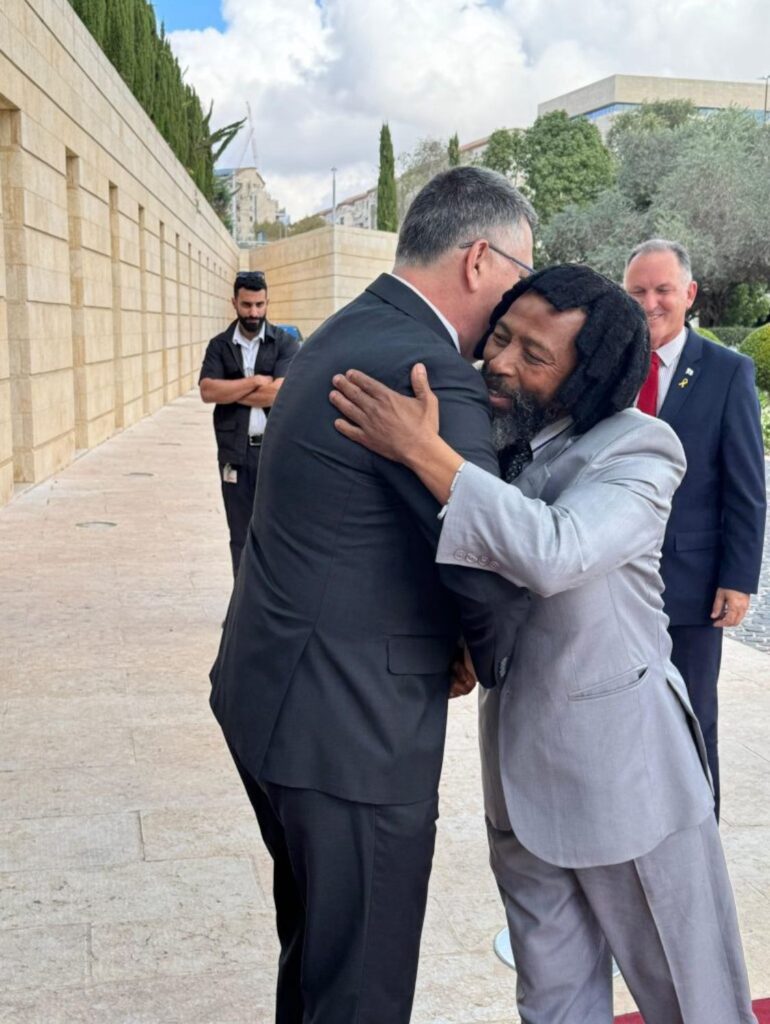
AbaThembu King Buyelekhaya Zwelibanzi Dalindyebo has sparked a national storm after returning from a high-profile visit to Israel and launching a fierce attack on the African National Congress and the South African media.
Dalindyebo Explodes After Israel Trip: Blasts ANC and Media
The trip, hosted by Israeli Foreign Affairs Minister Gideon Sa’ar, included meetings with officials in Jerusalem as well as visits to areas near the Gaza border. The king’s delegation reportedly toured the Nova Festival site and a kibbutz attacked during the events of 7 October 2023.
“Someone must love Israel”
Speaking at a fiery press briefing on 5 December, Dalindyebo said he travelled to Israel out of a desire to support the country at a time when he believes South Africa has adopted an overwhelmingly anti-Israel stance.
He insisted that his role as a traditional leader gives him both the authority and the responsibility to speak on international affairs.
Profane outburst at ANC and journalists
Dalindyebo’s comments quickly escalated into a direct assault on the ANC’s foreign-policy position and the journalists questioning him. He rejected the ruling party’s stance on Israel and accused members of the press of political bias. In an angry exchange, he used censored profanity to describe both the ANC’s policy and reporters in the room, calling journalists “prostitutes of the ANC” and warning them not to treat him disrespectfully.
The king also defended his decision not to visit Gaza or meet Palestinian officials during his trip.
According to him, his encounters in Israel shaped his view of Hamas.
“Hamas is a club of criminals that hides behind politics and religion,” he said.
A divided national reaction
Public response to the king’s remarks has been immediate and polarised.
Some have applauded his boldness in asserting independence from government policy while others have condemned his rhetoric, calling it reckless, undiplomatic, and damaging to South Africa’s long-held solidarity with Palestine.
Civil-society groups and political leaders criticised both the language he used and the implications of the visit, questioning whether the trip was official, who funded it, and whether any agreements were reached.
A larger question emerges
As demands grow for clarity on the purpose and outcomes of the visit, the incident has revived a wider debate.
What role should traditional leaders play in shaping South Africa’s foreign policy?
Should they be consulted?
Or are such interventions a breach of diplomatic protocol?
For now, Dalindyebo has positioned himself firmly at the centre of a geopolitical argument that is unlikely to fade soon.
Visit MDNtv YouTube Channel for our video content
- AbaThembu King, ANC, Controversial Visit, Dalindyebo, Diplomacy, Foreign policy, Gaza conflict, Gideon Saar, hamas, international relations, Israel Visit, Jerusalem Meetings, MDN&x%, MDNTV, National Reaction, Palestine Solidarity, Political Debate, Public outcry, south africa politics, South African Media, Traditional Leaders