Malema Softens Up to “Cat” Matlala as EFF Leader Condemns PKTT in Emotional Committee Exchange

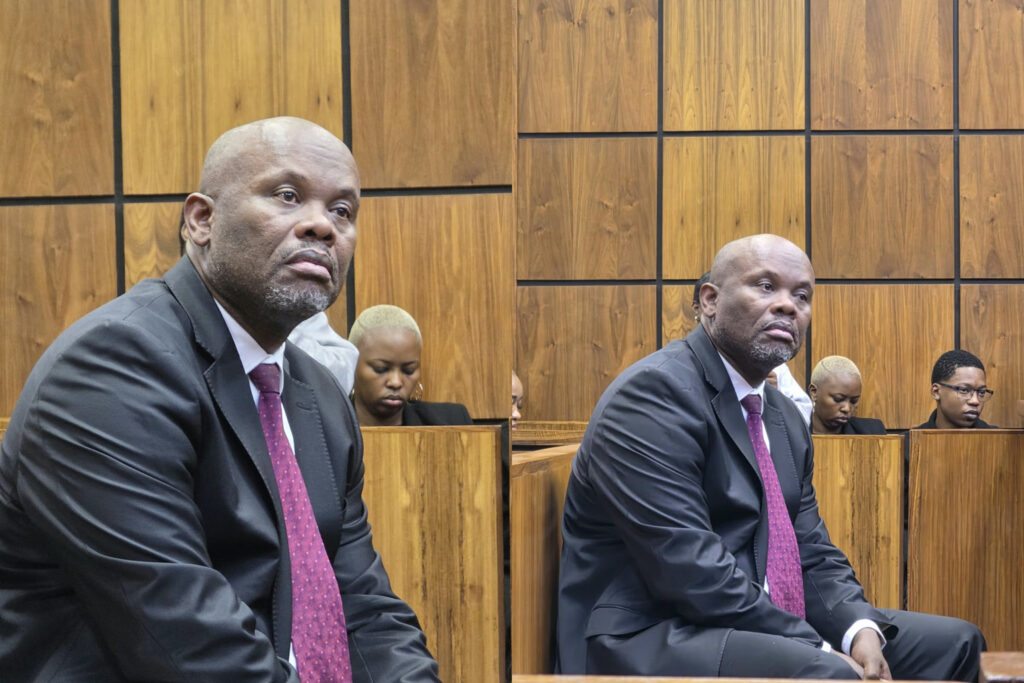
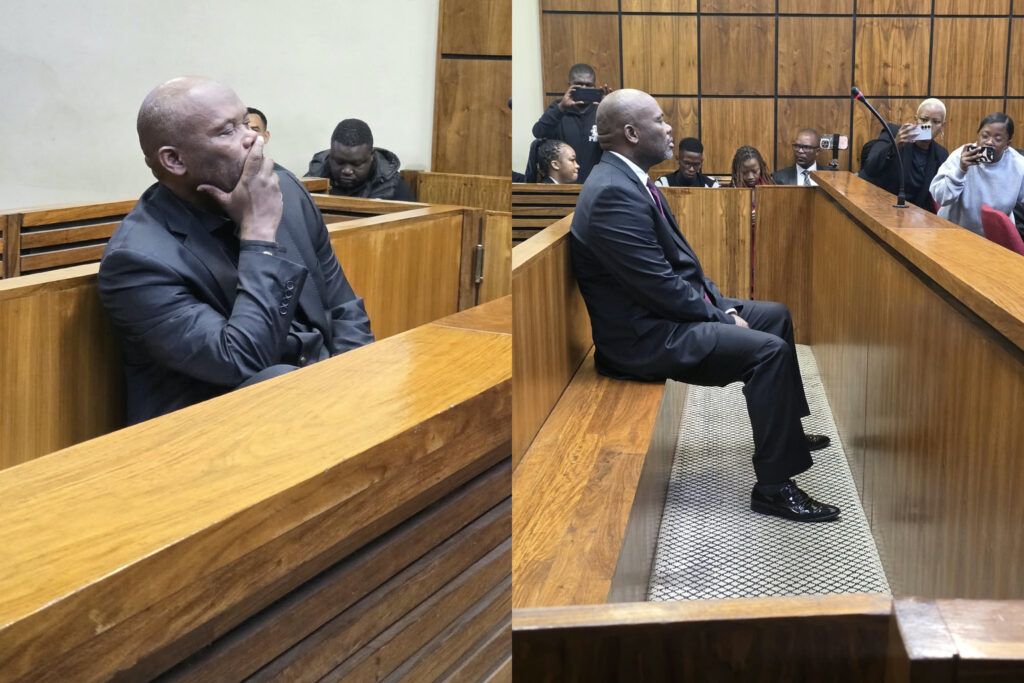
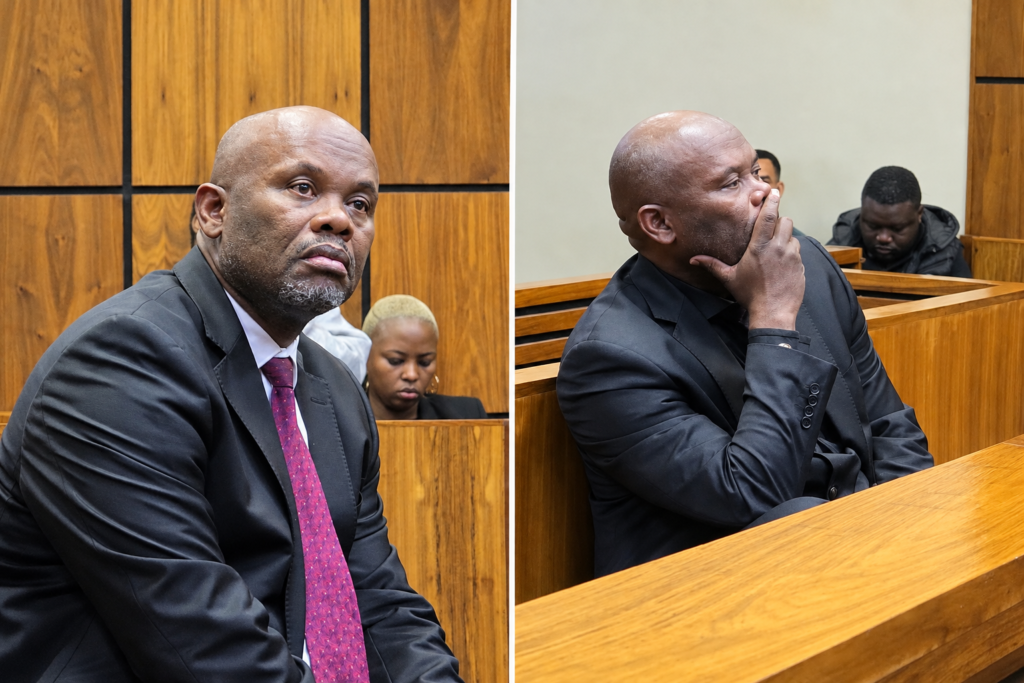
In one of the most unexpected turns in the Ad Hoc Committee’s dramatic hearings, EFF Commander-in-Chief Julius Malema struck a distinctly compassionate tone toward controversial businessman Vusimuzi “Cat” Matlala, delivering an emotional condemnation of the PKTT and the treatment of Matlala’s children during a police raid.
Before asking a single question, Malema offered sympathy to Matlala’s wife and children, saying no family deserves the trauma of being forced onto the floor at gunpoint. He sharply criticised police conduct, arguing that even hardened criminals should not have their children subjected to fear, humiliation or the generational trauma historically inflicted on Black families.
“No one must ever do that to our kids,” Malema said. “Whatever we do on the streets is between us and the streets. Our wives and children must not be involved.”
Malema condemned the police for allegedly pointing firearms at Matlala’s children, saying such behaviour “must never happen,” even in high-risk operations. His remarks triggered murmurs across the room, marking a striking departure from the hardline interrogation style seen earlier in the day.
A Calmer, Personal Line of Questioning
After his emotional opening, Malema adopted a gentle, conversational tone — a sharp contrast to the blistering cross-examinations delivered by Ian Cameron, Glynnis Breytenbach and Xola Nqola.
Malema asked Matlala about:
- his place of birth
- his schooling
- his family history
- his upbringing as a street child
- his late mother’s trauma and passing
his connections to Swaziland’s royal household
This softer approach drew out deeply personal details, giving the hearing a sudden human undertone.
Challenging the ID Controversy and SWATI Travel Claims
Malema probed the story of a fraudulent Eswatini ID linked to Matlala, which he says was used to justify the denial of bail. Matlala insisted the ID was fabricated and that border officials failed to stamp his passport upon re-entry — a claim Malema openly questioned, noting that passport control stamps are standard procedure.
Malema pressed him repeatedly on whether a handler, not Matlala himself, handled the passports at borders.
Fronting, Business Control and the Medicare Contract.
Malema pushed Matlala on his resignation from Medicare and the appointment of his sister as director. Matlala initially denied wrongdoing, but Malema cornered him until he admitted the arrangement was fronting, saying:
“I accept that it was wrong.”
Malema argued that the practice undermines women empowerment and misleads the public about who truly benefits from multimillion-rand tenders.
A Deep Dive into Security, Blue Lights and Police Favouritism.
The EFF leader interrogated Matlala’s lavish lifestyle — including his 14-member security team consisting of special forces and task force personnel, funded by significant monthly budgets.
He questioned:
the use of blue lights by Matlala’s former wife allegations of improper police escorts
SAPS officers allegedly functioning as Matlala’s personal assistants missing persons cases involving people close to Matlala Malema repeatedly challenged Matlala’s explanation of his proximity to police power structures.
The Emotional Jerry & AB Kidnapping Exchange
In one of the hearing’s most emotional moments, Malema urged Matlala to speak directly to the mother of Jerry, a friend allegedly kidnapped and whose disappearance has cast suspicion toward Matlala.
The tense silence broke when Matlala, visibly affected, insisted he had nothing to do with Jerry’s disappearance and pleaded for closure for the grieving family.
Malema pressed him:
“Children want their father to return. No one must do this to our children and wives.”
Matlala said he does not believe Jerry is still alive, citing basic kidnapping patterns and the cost of keeping a hostage alive for extended periods.
Malema’s Final Swipe at the PKTT
Throughout the exchange, Malema repeatedly condemned the PKTT, accusing the unit of:
- traumatising families
- abusing power
- targeting Matlala based on factional interests
- violating children’s rights
His remarks painted the PKTT as an institution lacking accountability and professionalism.
A Viral Moment That Shifted the Tone of the Hearings
Malema’s soft, emotional and strategic approach contrasted sharply with the forensic aggression shown by other MPs. His combination of empathy, cultural framing, family-centered arguments and sharp political critique created one of the most talked-about moments of the hearings.
As the Ad Hoc Committee continues, Malema’s unexpected posture introduces a new dimension — one that blends emotional intelligence, political instinct and sharp interrogation into a single viral moment.
Visit MDNtv YouTube Channel for our video content
- ad hoc committee, blue lights scandal, Cat Matlala, children’s rights, corruption hearings, Eff, emotional interrogation, Eswatini ID controversy, fronting admission, Jerry disappearance, kidnapping allegations, MDN&x%, MDNTV, Medicare contract, parliamentary inquiry, PKTT raid, police misconduct, SAPS favouritism, south african politics, Vusimuzi Matlala