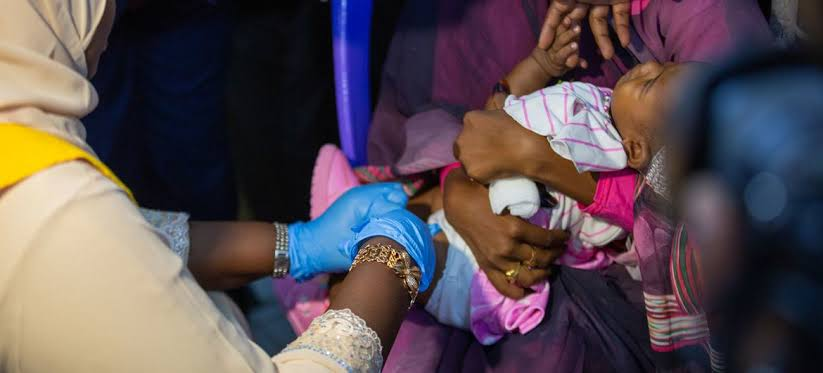
UNICEF has reached a new agreement aimed at reducing the cost of the R21/Matrix-M malaria vaccine, a move expected to make the life-saving shot more affordable for millions of children.
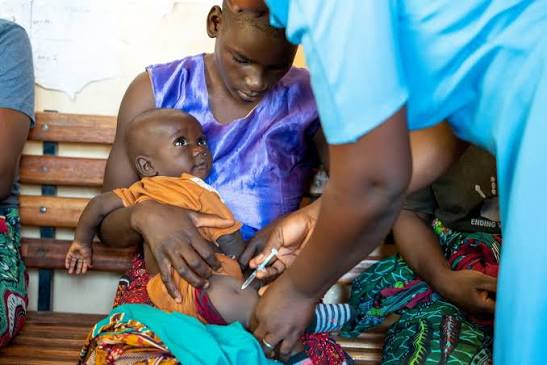
The new pricing arrangement, which will bring the cost down to about 3 dollars per dose, is expected to take effect within the next year. Backed by Gavi and implemented through UNICEF, the deal is projected to save more than 90 million dollars.
These savings will help fund the production of an additional 30 million vaccine doses and extend protection to an estimated 7 million more children over the next five years.
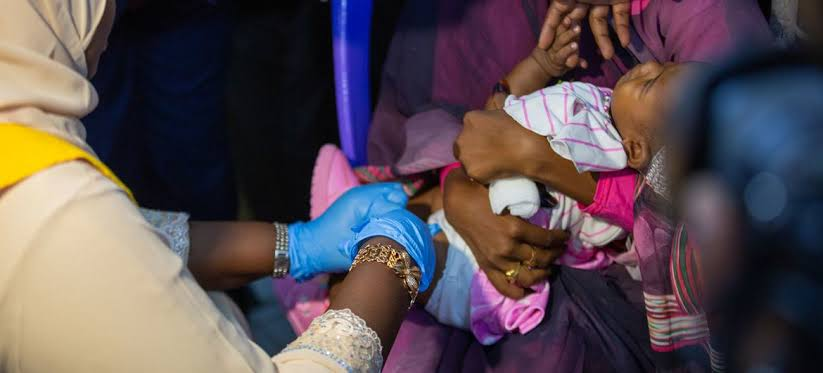
So far, more than 40 million malaria vaccine doses have been delivered through the Gavi Malaria Vaccination Programme. The vaccines are now part of routine immunisation schedules in 24 African countries, which together account for over 70 percent of the global malaria burden.
Despite progress, malaria continues to be one of the world’s most challenging health threats. In 2023 alone, there were about 263 million cases and 597,000 deaths globally. Most of these deaths—around 95 percent—occurred in Africa, especially among children under five who lack access to reliable prevention and treatment.
In many high-burden countries, malaria remains a leading cause of hospital visits, placing a heavy financial strain on families and health systems. The cost of treating a mild case in sub-Saharan Africa is estimated at 4 to 7 dollars per outpatient visit, while severe cases requiring hospital care can cost more than 70 dollars.
Efforts to cut vaccine prices are expected to ease some of these pressures and expand access to protection for communities most at risk.