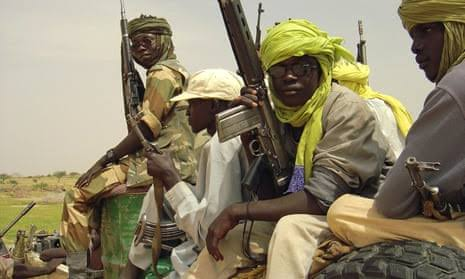
Fighters ride on the back of a pick-up truck as the sun sets over Sudan, laughing as they pass the bodies of nine people lying motionless on the ground.
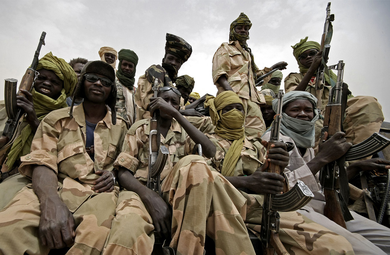
“Look at all this work. Look at this genocide,” one of them shouts, grinning into the camera. Another turns the lens on himself and his comrades, proudly displaying their militia badges and saying, “They will all die like this.”
The men are celebrating a massacre that is believed to have claimed the lives of more than 2,000 people in the city of el-Fasher. International authorities have since opened an investigation into whether the killings amount to war crimes or crimes against humanity.
El-Fasher had long been a strategic target in Darfur. It was the last major city in the region still controlled by the national army, which has been locked in a devastating conflict with the militia since their alliance collapsed in 2023.
Over two years, more than 150,000 people are estimated to have died, with both sides accused of brutal abuses that continued after the fall of el-Fasher.
A City Sealed Off
The militia had surrounded the city for nearly two years. As they tightened their grip, they began constructing a huge sand barrier around el-Fasher, blocking every road and cutting off aid and supplies. By early October, the city was completely encircled, along with a nearby village.
During this period, dozens of civilians were killed in attacks, including people seeking shelter in a mosque and a displacement camp. Videos circulated showing a man tied upside down from a tree, accused of trying to smuggle food into the city. His captors beat him and demanded he beg for his life.
Meanwhile, heavy street fighting pushed deeper into el-Fasher.
The Final Collapse
At dawn on 26 October, the militia overran the last army base after fierce fighting. Fighters were soon seen wandering through the captured headquarters, laughing and posing with weapons.
The militia’s history of targeting non-Arab communities in Sudan stretches back decades, and the fall of el-Fasher opened the door to yet another wave of violence.
Within hours, disturbing footage began emerging from inside the city. One video showed dozens of bodies strewn across the floor of a university building.
An elderly man in a white tunic sat among the dead, staring up as a gunman descended the stairs. The fighter raised his weapon and shot the man at close range. As the body fell, another fighter noticed movement among the corpses and shouted, “Why is this one still alive? Shoot him!”
Satellite imagery from the same day revealed groups of objects consistent with human bodies lying on the streets—evidence confirming that executions had taken place.
Witnesses who managed to flee described seeing family members gathered in one spot and killed together. One woman was reportedly shot in the chest, her belongings taken before her body was tossed aside.
Killings on the Outskirts
While the main group of fighters spread through the city, another group stayed along the outer sand barrier, where they executed unarmed captives. Videos from an area about 8km outside el-Fasher show a trench filled with bodies, including what appear to be women. Burned-out vehicles and fires still smoldered around them.
In several clips, fighters laughed as they walked past the dead.
One commander, who called himself Abu Lulu online, was filmed executing captives in multiple videos. Witnesses said he ordered the deaths of civilians, including children.
In one clip, a wounded man pleaded with him, saying he recognized him from before. Abu Lulu brushed him off and said, “I will never have mercy. Our job is only killing,” before firing a burst of bullets into the unarmed man.
Another video showed nine captives executed and left in a line where they fell, untouched for days.
The Aftermath and Attempts to Clean Up
After global outrage, the militia’s leadership acknowledged that “violations” had occurred and claimed they were investigating. Some fighters were reportedly arrested, including Abu Lulu, who appeared in a staged video being led into a prison cell.
Satellite images taken days later show signs that bodies were removed from the execution site, and newly dug graves appeared near a children’s hospital. Measurements of shrouded shapes in the hospital courtyard suggested they were bodies prepared for burial.
The militia then began reshaping its public image, posting videos of fighters distributing food and showing supposed humane treatment of prisoners. Supporters online tried to counter the outcry by sharing these clips.
But the attempts have done little to silence the shock and anger over what happened in el-Fasher.