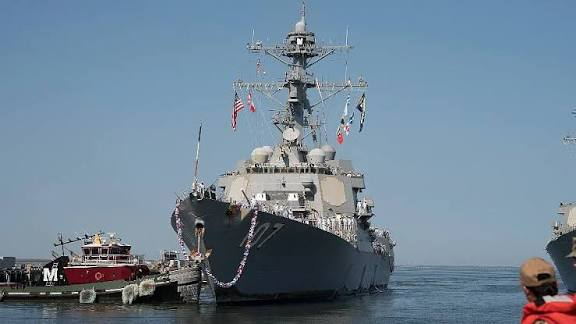
Venezuelan President Nicolás Maduro has accused the United States of “fabricating a new war” following the deployment of the world’s largest warship, the USS Gerald R. Ford, to the Caribbean.
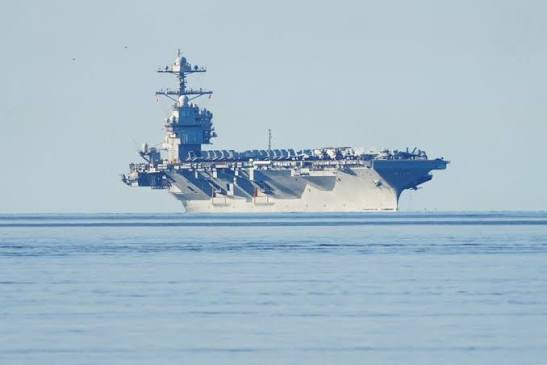
The powerful aircraft carrier, capable of carrying up to 90 aircraft, marks a major expansion of US military presence in the region. The move comes after a series of American air strikes on vessels allegedly linked to drug trafficking.
US President Donald Trump has long accused Maduro of leading a drug-trafficking network—an allegation the Venezuelan leader strongly denies. Many in Venezuela fear that Washington’s growing military activity could be a prelude to efforts aimed at removing Maduro from power.
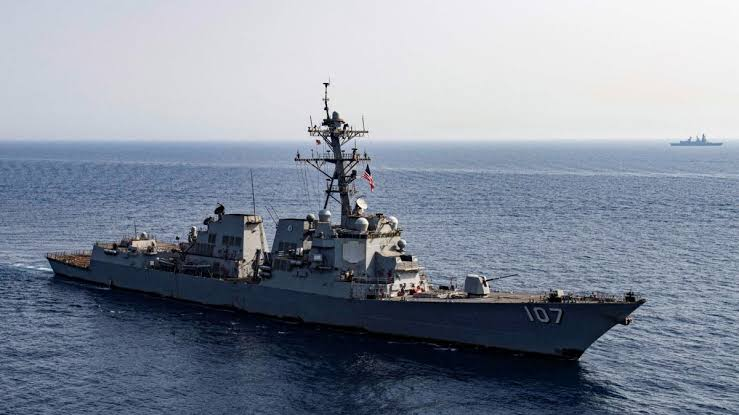
In his speech broadcast on state media, Maduro warned that the United States was seeking to ignite “a new eternal war.” He criticized the deployment, saying, “They promised they would never again get involved in a war, and they are fabricating one.”
According to the Pentagon, the deployment of the USS Gerald R. Ford is intended to “enhance and augment capabilities to disrupt narcotics trafficking and dismantle transnational criminal organizations.” However, analysts argue that such an enormous force is unnecessary for anti-drug operations and could be intended to intimidate Venezuela’s military leadership.
Reports also indicate that Trump is considering extending military action to target drug routes and facilities inside Venezuela. He recently stated that the US has already secured the sea and is now “looking at land.”
The US has also increased its air operations in the Caribbean and around Puerto Rico. Meanwhile, regional experts have questioned the legality of the strikes, warning they could escalate tensions across Latin America.
So far, at least 43 people have been killed in recent US-led strikes against suspected drug traffickers. Members of the US Congress from both parties have voiced concern over the president’s authority to conduct such attacks without congressional approval.
Legal experts say the situation could spark a constitutional crisis over the use of military force, as lawmakers push back against what they see as an overreach of presidential power.