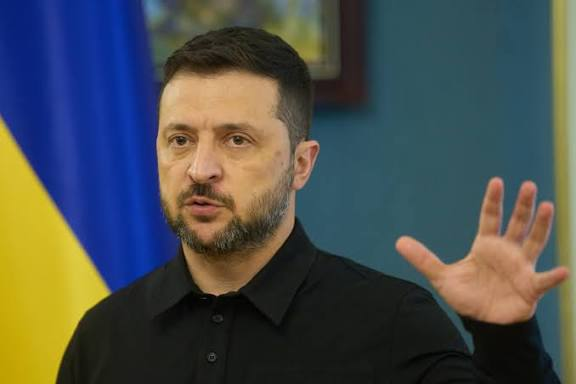
Ukrainian President Volodymyr Zelensky has called on European Union leaders to support a proposal that would release billions of euros in frozen Russian assets to help Ukraine strengthen its defense.
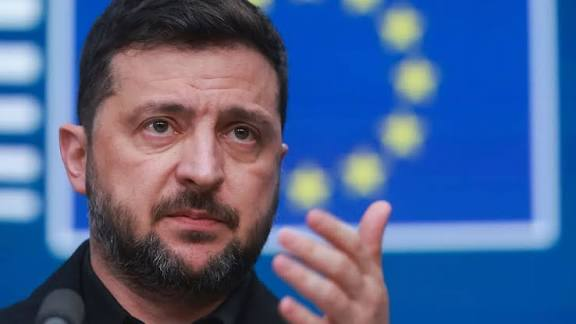
Speaking in Brussels as EU leaders gathered for a high-level summit, Zelensky expressed optimism that the bloc would make a “positive decision” on using roughly €140 billion currently held in a Belgian financial clearing house. The move would add to a series of sanctions already imposed on Moscow, including fresh restrictions targeting Russia’s oil revenues.
The initiative follows the United States’ latest sanctions against Russian oil firms, Rosneft and Lukoil, marking the first time President Donald Trump has directly sanctioned Moscow. Trump also confirmed that a planned meeting with Russian President Vladimir Putin in Budapest had been canceled indefinitely, citing frustration over the lack of progress in talks.
In response to the U.S. actions, Putin warned that the sanctions would have “certain consequences,” though he downplayed their potential impact on Russia’s economy. Oil remains one of the country’s biggest sources of income, and Ukraine continues to seek ways to weaken that lifeline, including requests for long-range missile systems.
European officials, meanwhile, are discussing how to make the frozen Russian funds available to Ukraine as a “reparations loan.” However, the plan faces legal challenges, especially in Belgium, where authorities are concerned about potential liabilities if Russia contests the move.
EU foreign affairs chief Kaja Kallas acknowledged the complications but insisted the principle was clear: “Russia is responsible for the destruction in Ukraine and must pay for it.” Moscow has condemned the idea, warning that any attempt to seize its assets would provoke a “painful response.”
The EU’s newest sanctions also targeted three Chinese companies accused of helping Russia’s oil trade. Kallas said the measures were meant to deprive Russia of the resources to continue its war, adding that the message from the EU is simple — “Russia cannot outlast us.”