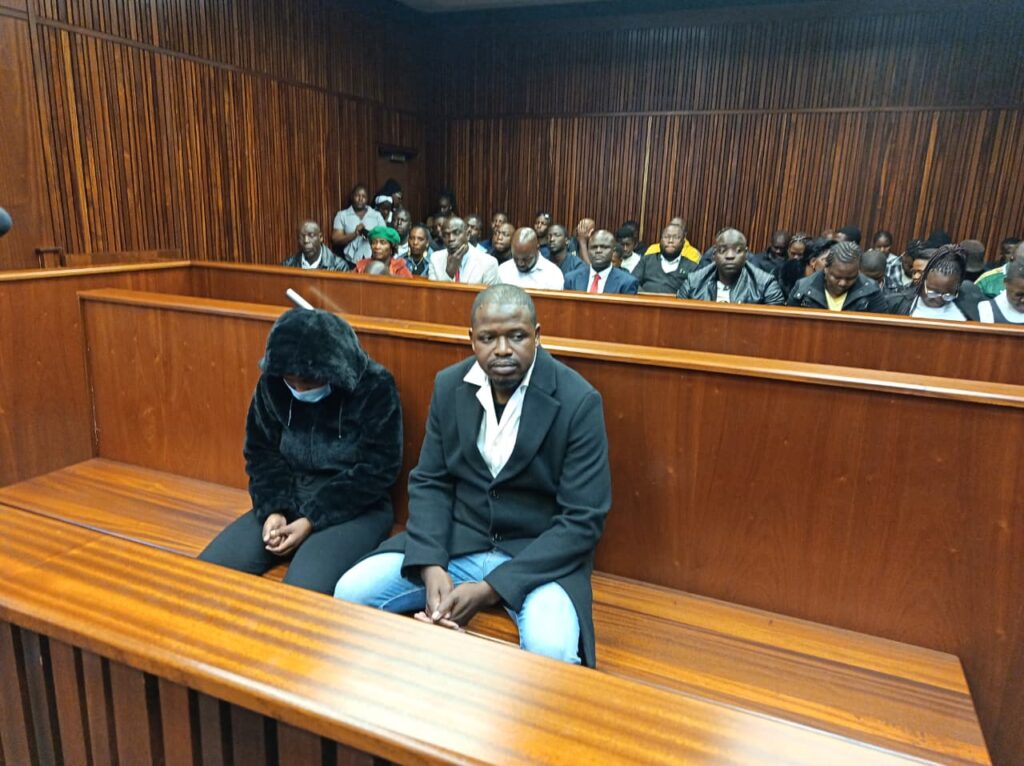
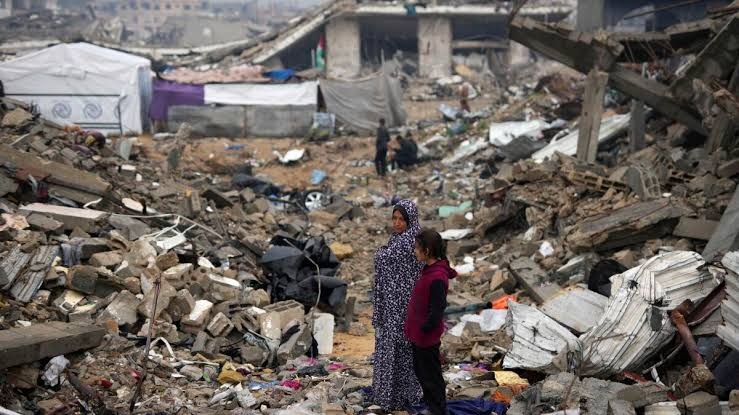
Tensions remain high as the fragile Gaza ceasefire continues to hold, even as Hamas says it needs more time to recover the remaining bodies of Israeli hostages.
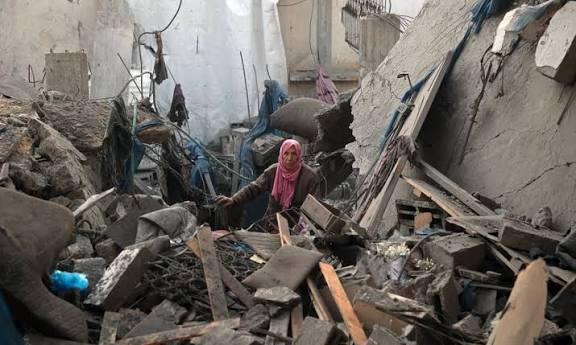
Under the first stage of the peace deal, Hamas was required to return 20 living hostages and the remains of 28 others. So far, all living captives and several bodies have been handed over, but 19 remain missing. Hamas says the devastation across Gaza has made locating the bodies difficult and that special equipment is needed for the search.
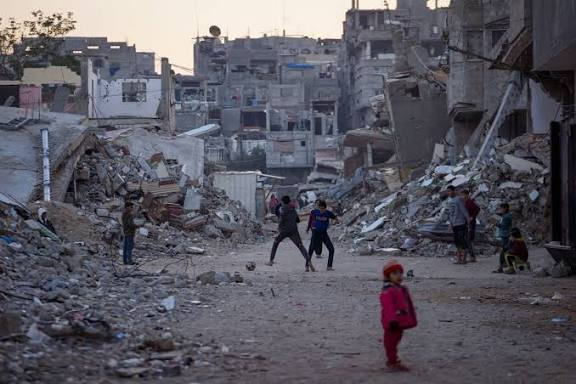
US officials have downplayed fears that the ceasefire could collapse, saying that ongoing talks with mediators are “positive” and that Hamas has shown intent to uphold the agreement.
Israel has confirmed that the two bodies returned most recently belong to Sergeant-Major Muhammad al-Atarash, 39, and Inbar Hayman, 27 — the last female hostage known to have been held. Both were killed during the October 7 attacks.
At the Rafah crossing, preparations are underway to allow Palestinians, particularly those who are sick or injured, to leave Gaza for medical care. International monitors are expected to oversee operations, though aid deliveries remain restricted to other crossings.
In Gaza, residents are struggling with rising food prices and shortages as uncertainty grows over whether the ceasefire will last. Meanwhile, Palestinian health officials are working to identify the bodies of 90 Palestinians recently returned by Israel, many of which remain unrecognizable due to the conditions in which they were found.
US advisers say the process of recovering all hostages’ remains could take weeks, given the scale of destruction. They also mentioned discussions about future governance in Gaza, possibly involving a new technocratic administration supported by regional powers.
For many families, both in Israel and Gaza, the ceasefire has brought a painful mix of relief and heartbreak — moments of reunion alongside the grief of those still waiting for closure.