
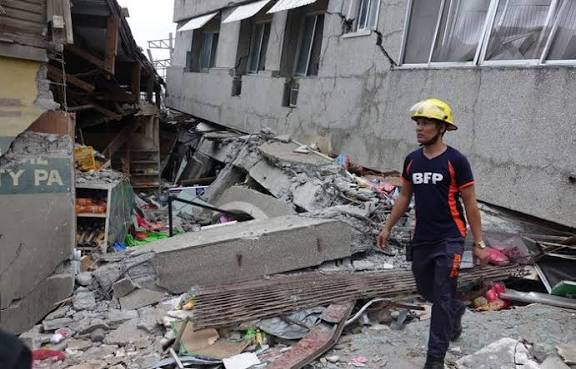
At least 69 people have lost their lives and dozens more are injured after a powerful 6.9 magnitude earthquake struck the central Philippines late Tuesday. The province of Cebu, which bore the worst of the destruction, quickly declared a state of calamity as thousands of residents spent the night outdoors, too afraid to return to their homes amid constant aftershocks.
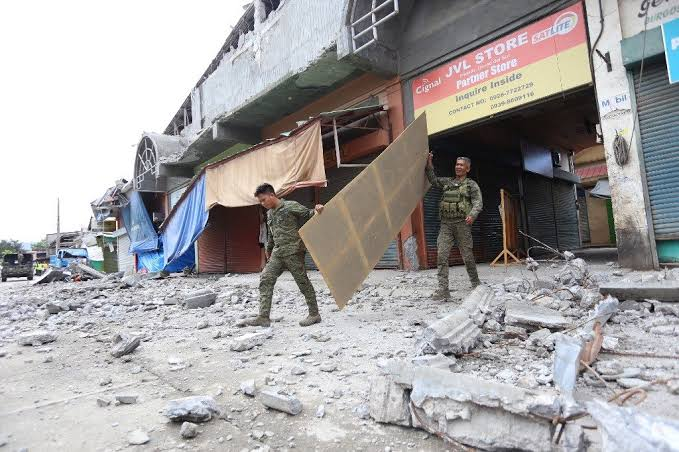
Many survivors described a night of fear, with children crying and families left without electricity and clean water. In the town of Bogo, closest to the epicenter, scenes of devastation unfolded — body bags lined the streets and makeshift tent hospitals were overwhelmed with the injured.
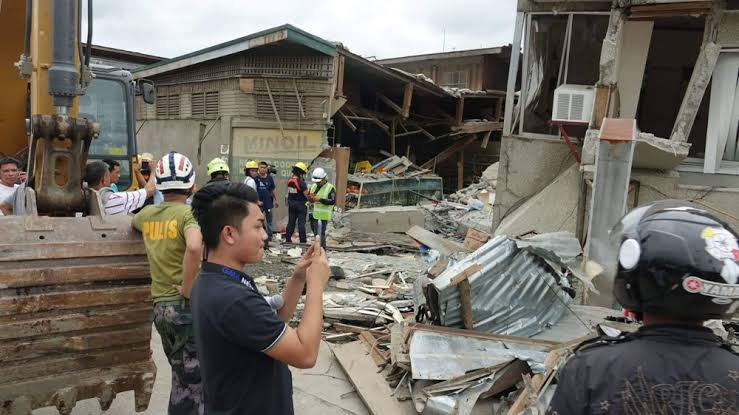
Rescue operations have been hampered by collapsed bridges, cracked roads, and downed power lines, making access to remote communities difficult. Authorities have urgently appealed for medical volunteers to assist with the rising number of casualties.
Tragedy struck a village in Bogo built for survivors of Typhoon Haiyan in 2013, where seven residents were killed. In San Remigio, a basketball game was underway when the quake hit, injuring nearly 20 people and claiming at least one life.
Aftershocks have continued to shake Cebu and nearby islands, including a magnitude 4.7 tremor on Wednesday night. Residents remain on edge, with religious leaders advising people to stay away from churches until buildings are declared safe.
The Philippines, located along the Pacific “Ring of Fire,” is one of the most disaster-prone countries in the world. With frequent earthquakes, active volcanoes, and annual typhoons, its communities live under constant threat of nature’s fury. The death toll from this latest disaster is expected to rise as rescue efforts continue.