Madagascar Erupts in Mass Protests as Calls Grow for President Rajoelina to Step Down
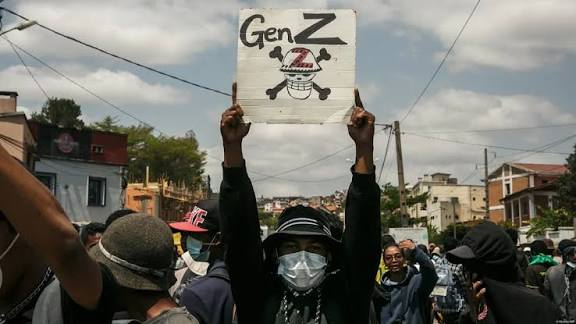
For the fifth straight day, streets across Madagascar have filled with protesters demanding the resignation of President Andry Rajoelina. What began as anger over crippling water shortages and rolling power blackouts has swelled into one of the largest waves of unrest the country has seen in years.
Demonstrators, many of them young people, chanted “Rajoelina Out” while waving flags and banners in the capital Antananarivo and other cities. Security forces tried to maintain control as rallies spread from neighborhood streets to major towns across the island.
The protests have already turned deadly, with at least 22 lives lost and over 100 people injured in clashes, though the government disputes those figures. The anger has only deepened since Rajoelina dissolved his government earlier this week, a move that protesters say does nothing to address their demands.
Many in the movement want sweeping political change, including the resignation of the president, the dissolution of key state institutions, and fresh leadership free from corruption. Opposition parties have backed the demonstrations, refusing to join any new government as long as Rajoelina remains in power.
Rajoelina, who first seized power in a 2009 coup before later winning elections, secured a third term in 2023 amid allegations of fraud. Now, his leadership faces its toughest test yet, as a generation of frustrated youth and angry citizens push for change.
In the midst of the turmoil, voices from the church and civil society are urging peace and dialogue to prevent the unrest from escalating further. But for now, the chants demanding Rajoelina’s resignation continue to echo through the streets of Madagascar.