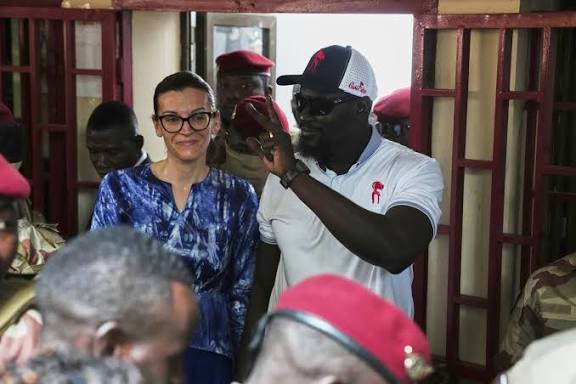
Guinea will head to the polls on December 28 for its first presidential election since the 2021 military takeover. The announcement marks a major step in the country’s political transition and opens the door for junta leader Mamady Doumbouya to potentially run for office.
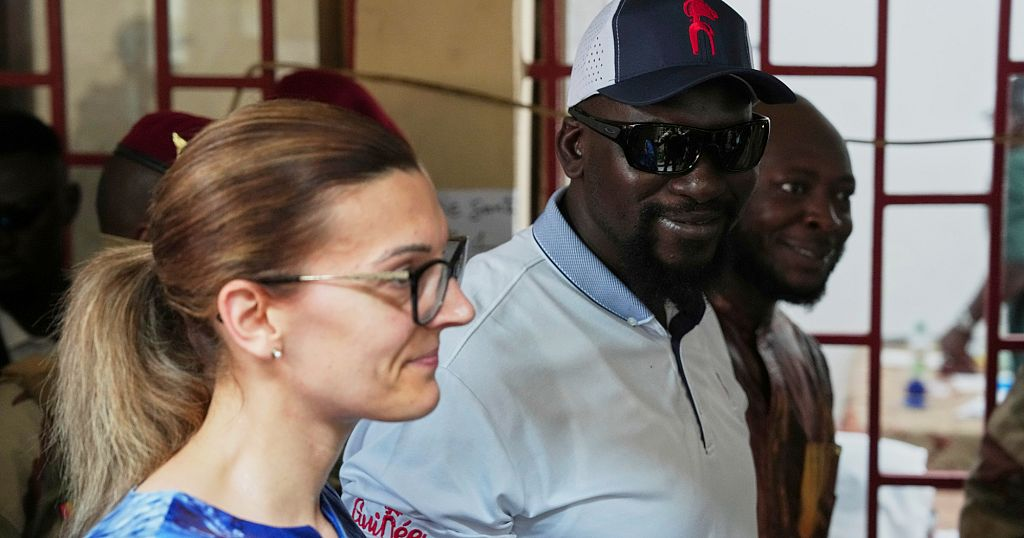
The vote follows the approval of a new constitution that replaces the transitional charter, which had previously barred military rulers from contesting elections. Under the new framework, the presidential term is extended from five to seven years, renewable once.
Although officials claim the referendum passed with nearly 90% support and record voter turnout, opposition groups strongly dispute these figures, pointing to low participation at polling stations. Their concerns raise questions about public confidence in the process.
Guinea’s election is being closely watched across West Africa, where several countries have experienced coups in recent years. Unlike Mali and Niger, which extended military rule, Guinea is moving toward a civilian government, echoing the paths taken by Chad and Gabon.
The outcome carries global significance, as Guinea holds the world’s largest reserves of bauxite and massive iron ore deposits, making stability in the nation a priority for international investors.