Johannesburg is grappling with a worsening water crisis as residents endure daily shortages caused by ageing infrastructure, illegal connections, and high rates of non-payment. Communities say they are tired of waiting for solutions, accusing the city of making “empty promises” while their struggles continue.
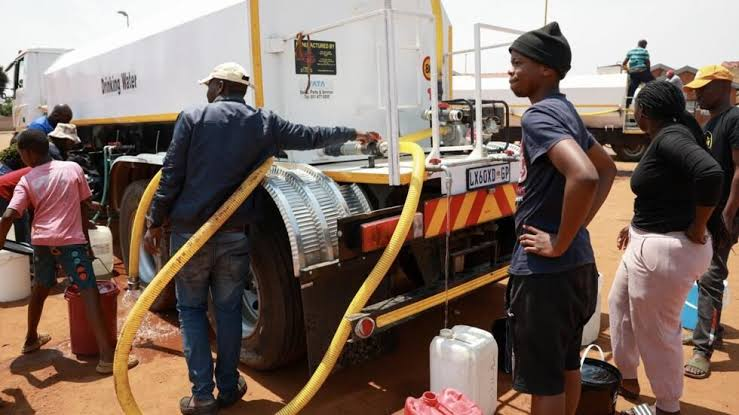
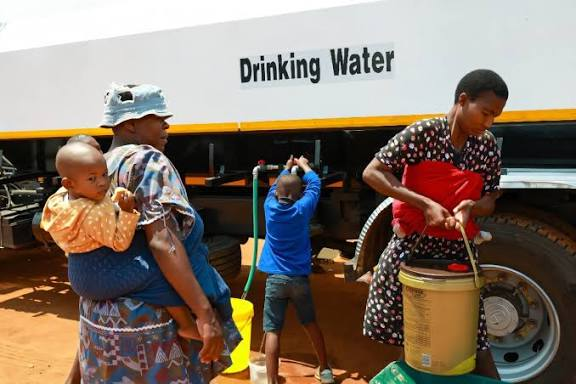
Areas like Coronationville, Westbury, and Zandspruit have been hit hardest, with residents relying on water tankers that many say are unreliable and insufficient. “We can’t do basic things because there’s no water. They know about the problem but are doing nothing,” said one frustrated Coronationville resident.
Despite repeated pledges from Mayor Dada Morero, supply interruptions have continued. The city promised to restore water within seven days after an outage began on September 11, but the deadline came and went without resolution. A new intervention was announced for late September, though residents remain doubtful.
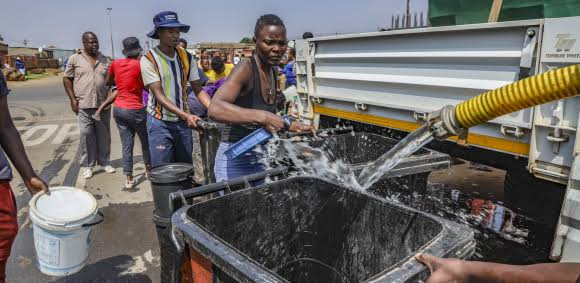
Jo’burg Water has acknowledged the scale of the crisis, pointing to the Commando System, which supplies hospitals, schools, and key institutions, as overstretched and outdated. Spokesperson Nombuso Shabalala said an R800 million infrastructure upgrade is under way, including new pump stations, reservoirs, and reconfigurations to strengthen supply.
Still, many say progress is too slow. Residents complain of fetching water at night in unsafe conditions or traveling far to fill buckets. Protests have become a regular response to the shortages, with activists warning the crisis won’t be fixed before the upcoming G20 Summit.
While authorities insist summit venues and hotels will have stable water with tankers on standby, civil society groups argue that most ordinary residents will continue to face dry taps. “They might manage the event, but fixing the real problem will take years,” warned Dr Ferrial Adam of WaterCan.
The growing frustration highlights deep public distrust in the city’s leadership. Many accuse officials of focusing on high-profile events rather than everyday service delivery, leaving townships and informal settlements to struggle through yet another summer without reliable water.