By Khabonina Mdokwe
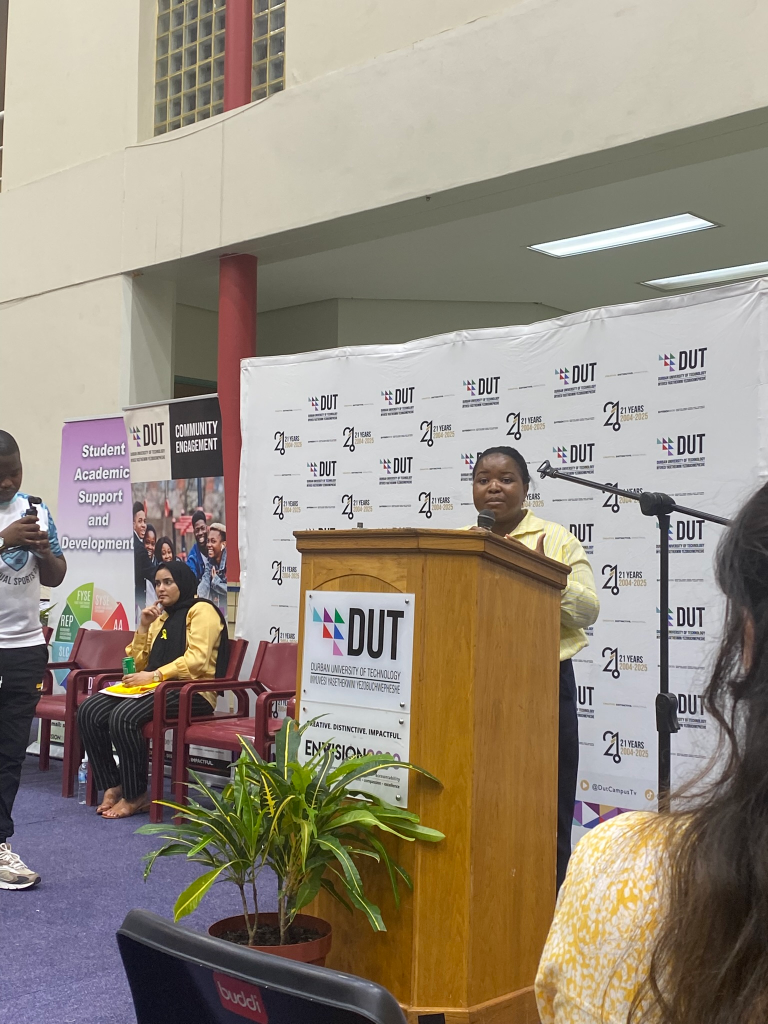
In recognition of World Suicide Prevention Day, the Faculty of Health Sciences at the Durban University of Technology (DUT), together with Student Counselling, hosted an awareness programme at the Fred Crokes Sports Centre.
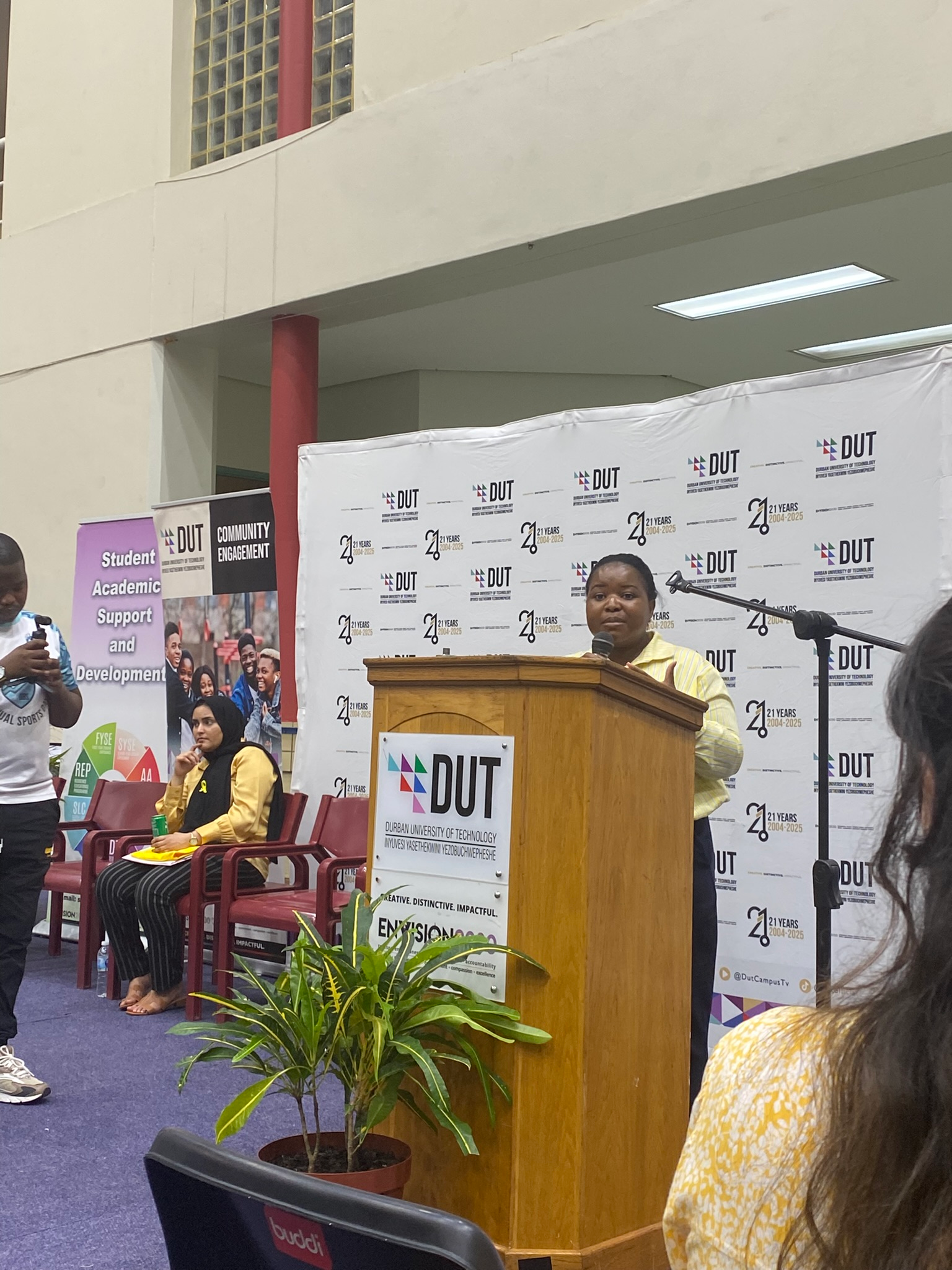
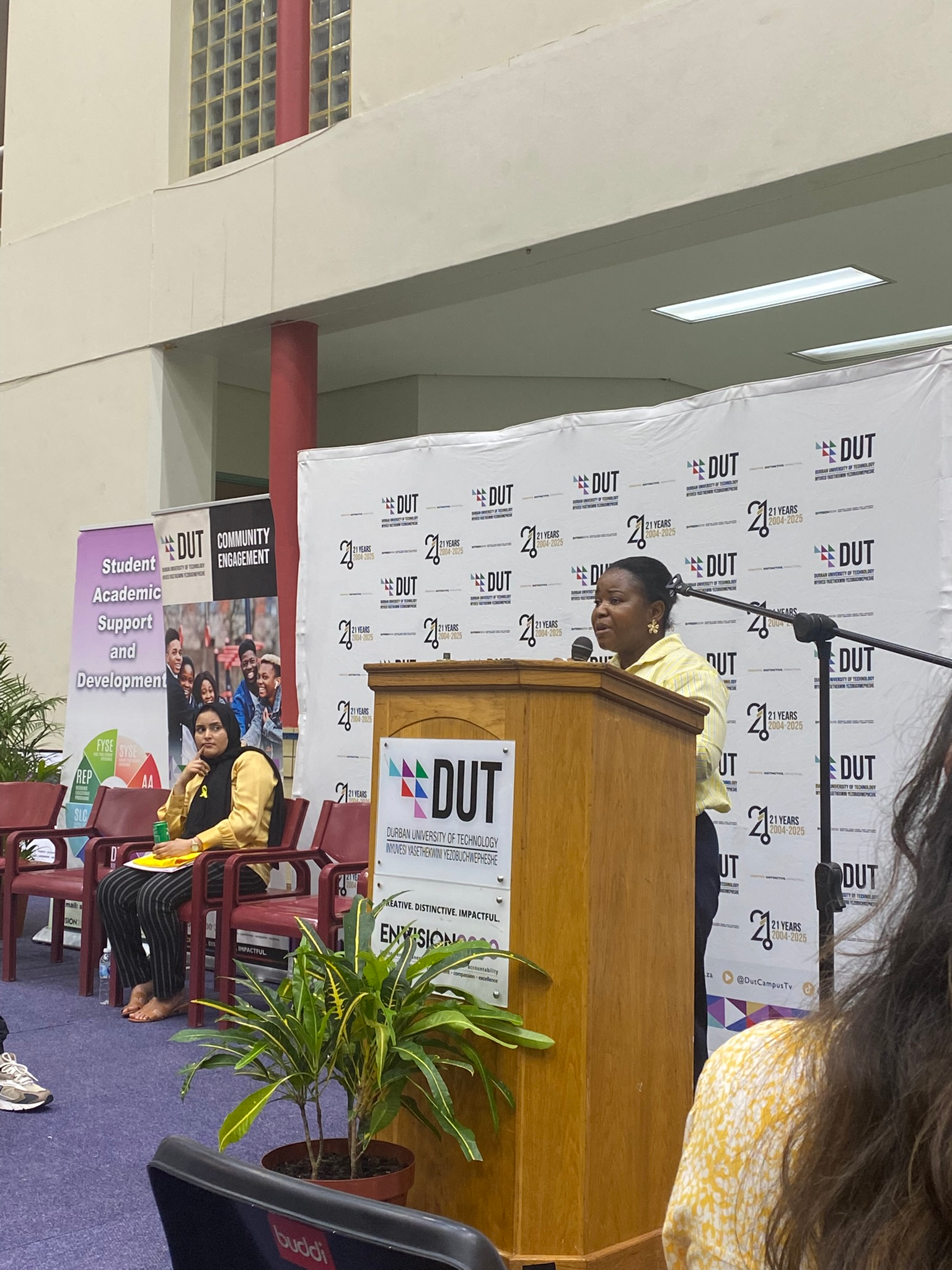
Carrying the theme “Choose life, not silence,” the event aimed to remind students that support is always available—both within the university and through external resources.
Globally, suicide claims around 703,000 lives each year, according to the World Health Organisation (WHO). In South Africa, the rate is estimated at 23.5 per 100,000 people, which translates to roughly 14,000 deaths annually. At DUT, the loss feels closer to home: two students died by suicide in just the past month.
Speakers at the event acknowledged the many challenges students face—whether academic pressure, financial strain, family struggles, or the difficult transition from high school to university. As Dr. Cebisile Khubeka, a Higher Health psychologist, explained: “There is no handbook on how to navigate university life or life in general.”
For students like third-year Asenathi Gwebushe, the realities of university are often overwhelming. “I never thought I would have money problems before I even started working, but struggling with funding has taken a toll on my mental health. As hard as school is, the pressure to pass and graduate is heavy because now I have debts to settle,” she shared.
One of DUT’s psychologists, Candice McCain, encouraged breaking the silence around suicide. “We need to talk about it so that it’s no longer taboo. When people know they can open up without judgment, it becomes easier to spot those who are struggling and help them before it’s too late,” she said.
Dr. Khubeka added that every student deserves to be heard. Breaking stereotypes about mental health, she said, begins with embracing vulnerability. “It’s important to know what vulnerability looks like for you, who you can share it with, and when to seek professional help.”
The event left a strong impression on students, many of whom shared personal experiences with mental health and counselling. For Isiphesihle Mnguni, the programme was eye-opening: “I always thought you had to be depressed to attend counselling. Today I learnt that no matter what’s troubling you, it’s better to speak out before it gets worse. Mental health is complex, and we need professionals to help us unpack it. I’m grateful for events like this.”
Through open conversations, DUT hopes to create a culture where silence no longer has the final word—and where choosing life is always an option.