Ethiopia Inaugurates Giant Hydropower Dam Amid Egypt’s Fierce Opposition
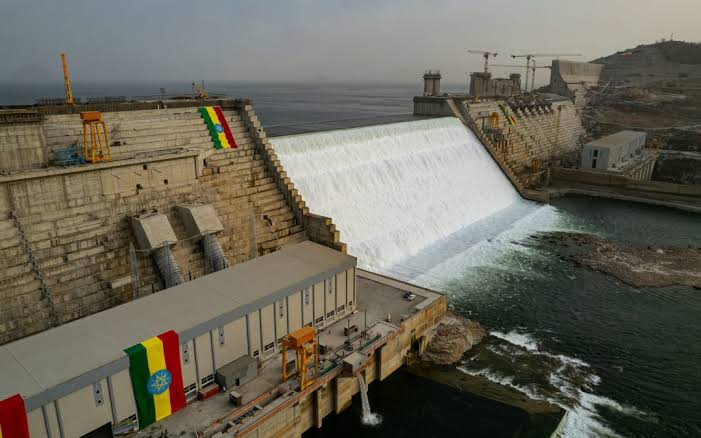
Ethiopia has officially launched Africa’s largest hydroelectric dam, a multi-billion-dollar project hailed at home as a symbol of progress but condemned by Egypt as a threat to its lifeline, the River Nile.
The Grand Ethiopian Renaissance Dam, more than a decade in the making, is expected to generate over 5,000 megawatts of power when fully operational. For Ethiopia’s 120 million citizens—many of whom still lack reliable electricity—the project promises a brighter future and the chance to export surplus energy across the region.
Prime Minister Abiy Ahmed has framed the dam as an engine for development and national pride, saying it offers opportunity rather than danger. Already, two turbines are generating electricity, and officials see the project as key to industrial growth and rural electrification.
But downstream, Egypt views the dam as an existential risk. With about 90% of its fresh water coming from the Nile, Cairo fears droughts could be devastating if Ethiopia controls the river’s flow. Egypt has long demanded binding agreements on how the dam is filled and operated, a stance supported by Sudan, though Sudan also hopes for benefits like flood control and affordable energy.
Talks over the years have failed to reach consensus, fueling tensions between the two nations. At one point, former U.S. President Donald Trump even warned the situation could lead to conflict.
Despite the disputes, independent studies suggest Ethiopia’s careful, phased reservoir filling has so far avoided major disruptions downstream, thanks in part to favorable rainfall. Inside Ethiopia, the project has become a rare source of unity in a country often divided by internal conflict.
Funded almost entirely by Ethiopians through government support, bonds, and donations, the dam is seen not just as an infrastructure project but as a statement of sovereignty. While much of rural Ethiopia still awaits connection to the national grid, leaders insist the dam will eventually transform the country’s energy landscape.
For now, however, the divide with Egypt looms large, with both sides signaling that the struggle over the Nile is far from over.