
EU Steps In to Help Spain as Wildfire Crisis Deepens
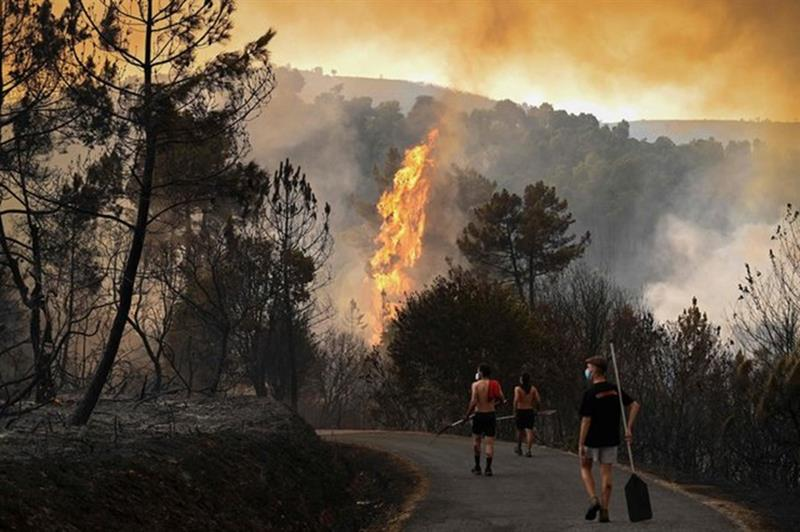
Spain is battling intense wildfires, prompting the European Union to send two firefighting planes to help contain the flames. This marks the first time Spain has activated the EU’s disaster assistance mechanism.
The crisis worsened on Thursday morning when a third person lost their life due to the fires. A volunteer firefighter in León died from severe burns, making him the second volunteer in that region and the third overall to die since the wildfires began.
With a heatwave expected to last until Monday and temperatures reaching up to 44°C, conditions remain dangerous. Moderate winds are also expected, raising concerns the fires could spread further.
Two French water bomber aircraft have arrived in north-western Spain, ready to support firefighting efforts. Thousands of residents have already been evacuated from different regions, including 700 people from towns in Cáceres province.
Authorities have arrested two men suspected of starting fires in Castille and León. Since June, there have been 10 arrests for suspected arson. Officials warn that fires can easily be sparked by barbecues, discarded cigarettes, or even glass bottles, and that causing a wildfire—whether intentional or not—is a criminal offence.
This year alone, over 157,000 hectares of land have been destroyed by wildfires in Spain, accounting for about a quarter of all wildfire damage in the EU. Across the bloc, around 629,000 hectares have burned since January.
Scientists caution that while linking any single event directly to climate change is complex, rising global temperatures are making heatwaves more frequent, more intense, and longer-lasting—conditions that dry out vegetation and increase wildfire risks.
Other countries in southern Europe are also struggling. Greece has been battling fires for three consecutive days, with the most dangerous blazes on the island of Chios and in the Achaia region. More than 95 people have been injured, and thousands have been evacuated by sea due to limited resources. Authorities have issued a red alert for several areas due to extremely high fire risk.
Montenegro, Bulgaria, and Albania have also requested EU support, while Turkey faces its own wildfire emergencies, with several firefighters injured in the line of duty.
Across the region, the fight against these fires is a race against time, extreme weather, and exhaustion—but the arrival of international support offers a glimmer of hope.