Five Journalists Killed in Gaza Strike
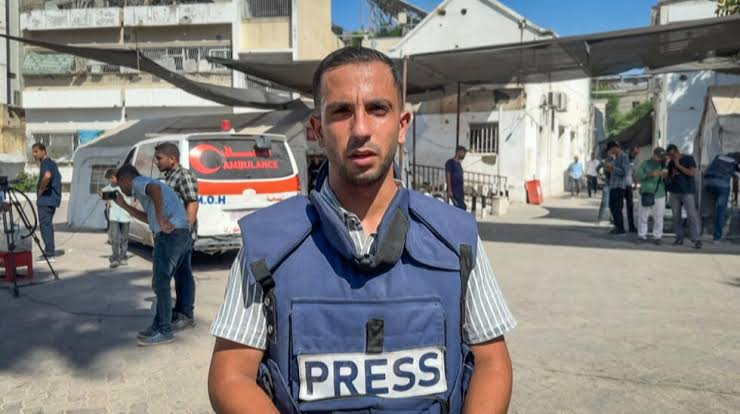
Five journalists lost their lives in an airstrike near Al-Shifa Hospital in Gaza City. Among them was well-known reporter Anas al-Sharif, who had been covering events in northern Gaza for years.
The group—al-Sharif, fellow correspondent Mohammed Qreiqeh, and cameramen Ibrahim Zaher, Mohammed Noufal, and Moamen Aliwa—were in a designated press tent outside the hospital when the strike hit. Witnesses say they were not on the front lines but working from a location known to be used by journalists.
The attack has drawn strong condemnation from press freedom advocates, who view it as part of a broader pattern of journalists being targeted in the conflict. Israel has claimed that al-Sharif was linked to militant activities, but no public evidence has been offered to support this. Colleagues and media organizations insist he was an accredited reporter dedicated to documenting the reality in Gaza.
In the moments before his death, al-Sharif was posting updates about heavy bombardment in Gaza City. Soon after, graphic footage emerged showing the aftermath, with colleagues identifying the bodies of the fallen journalists.
This tragedy adds to the growing toll on media workers in the region. Since the start of the current conflict, nearly 200 journalists have been killed. Many local reporters face extreme danger—not only from airstrikes but also from hunger, as food shortages worsen and aid remains heavily restricted.
The conflict began after the October 2023 Hamas-led attack on southern Israel, which killed around 1,200 people and saw hundreds taken hostage. Since then, tens of thousands of people in Gaza have been killed, according to local health officials, with civilians and journalists among the victims.