Hamas Says It Won’t Disarm Until Palestinian State Is Established
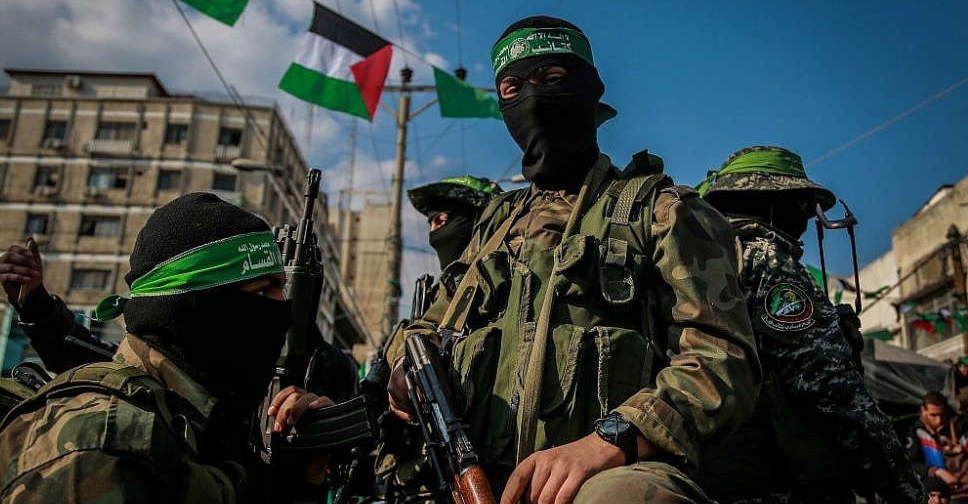
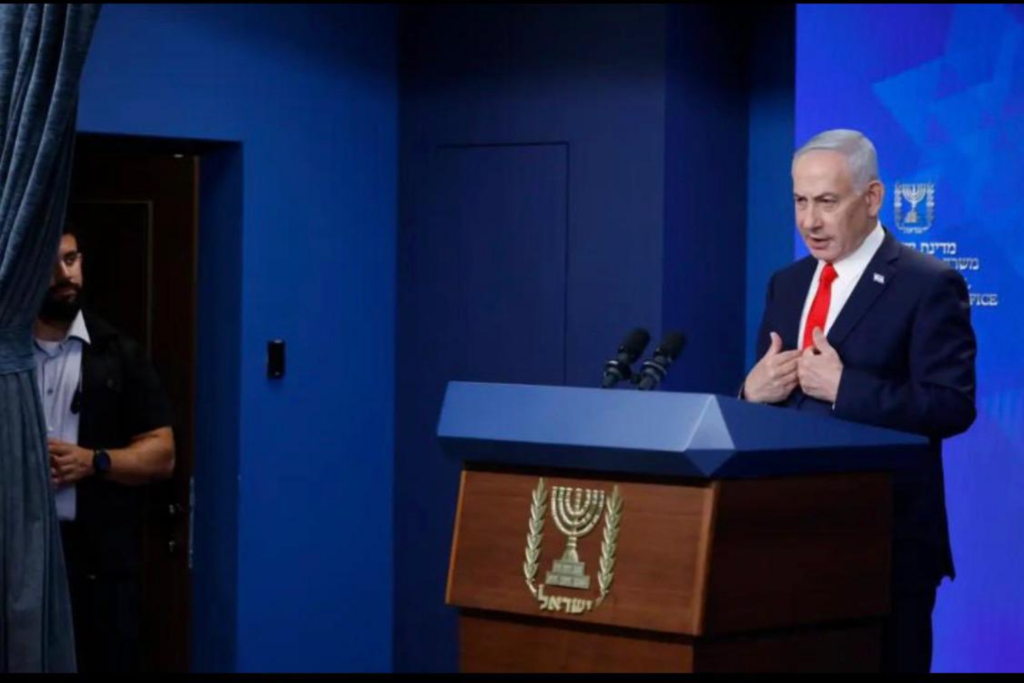
Hamas has stated it will not disarm until a fully sovereign Palestinian state with Jerusalem as its capital is created. This comes in response to ongoing calls for a ceasefire in Gaza, with one of the key demands being the group’s disarmament.
The declaration follows reports suggesting Hamas had indicated a willingness to lay down its arms — something the group now denies unless its political goals are met.
Negotiations between Israel and Hamas aimed at reaching a ceasefire and securing the release of hostages have recently broken down. Several Arab nations have joined calls urging Hamas to surrender control of Gaza, particularly after Western countries began to show support for recognizing Palestinian statehood.
Despite mounting pressure, Hamas insists it will not give up what it describes as its right to resist, and says any disarmament must be contingent on the creation of an independent Palestinian nation.
On the ground, the situation remains dire. Israeli military officials have warned that fighting will continue if talks fail to result in the swift release of hostages. One hostage’s family spoke out after a disturbing video surfaced showing him appearing weak and malnourished inside a dimly-lit tunnel. They accused Hamas of mistreating him and urged both the Israeli and U.S. governments to take urgent action.
Protests continue in Israel, with families of hostages demanding stronger efforts to bring their loved ones home. Recent visits by foreign envoys have included meetings with these families and tours of aid distribution sites in Gaza — locations that have drawn significant controversy due to reports of violence and worsening humanitarian conditions.
International organizations have raised alarms over famine and widespread hunger in Gaza, claiming the crisis is man-made. Israeli authorities deny restricting aid and reject accusations of deliberately harming civilians. However, reports continue to emerge of Palestinian deaths near aid sites, including many from Israeli military fire.
The conflict, which escalated following a large-scale attack last October, has led to significant casualties. Over 60,000 people in Gaza have reportedly died since then, and dozens — including many children — have lost their lives to malnutrition.
While diplomatic visits and aid assessments continue, the humanitarian crisis deepens and the prospects for peace remain uncertain. Both sides appear entrenched in their positions, with calls for hostages’ release and demands for sovereignty still central to any potential resolution.