
South Africa Scrambles to Shield Economy as US Slaps 30% Tariffs on Exports
South Africa faces a major economic challenge as the United States announces 30% tariffs on South African exports, set to take effect on 7 August. This development threatens billions in trade and could lead to significant job losses, particularly in key sectors like agriculture, automotive, and steel.
The South African government has responded with a series of emergency measures aimed at softening the blow. A new export support desk has been launched to help affected companies find alternative markets and navigate the changing trade landscape. Officials have also proposed a trade package to the US in a last-minute attempt to secure a more favourable deal.
Trade officials warned that the tariffs would directly impact almost $10 billion worth of goods, including cars, aluminium, citrus, and wine. Although some exports—like platinum group metals—remain exempt due to US demand, the bulk of industrial and agricultural products are now at risk.
The situation has sparked political finger-pointing at home. The government accuses opposition leaders of undermining efforts to secure a resolution, while critics argue that poor diplomacy and weak trade strategy left South Africa vulnerable.
Efforts to salvage the situation have included offers to buy American gas, open up South African markets to US agricultural products, and increase South African investment in American industries. However, observers believe the core issue is political rather than economic, tied to South Africa’s international alliances and policies like Black Economic Empowerment.
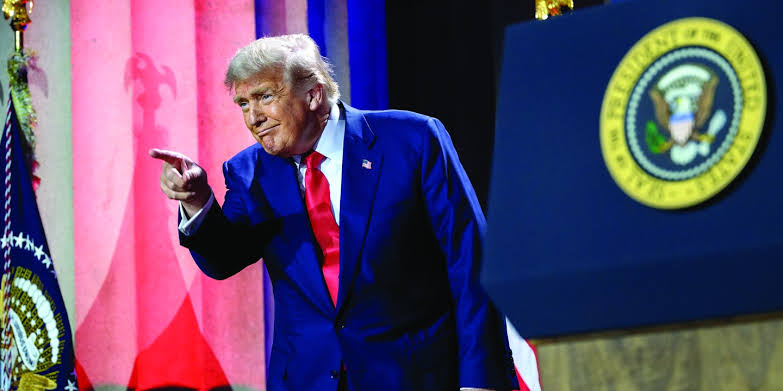
The president of the United States made it clear that no further extensions will be granted, calling the tariff decision final and “a big day for America.”
With around 7.5% of South Africa’s exports headed to the US, the country must now urgently diversify its markets. However, experts say it won’t be easy. For instance, citrus exporters already ship to over 100 countries, and few offer prices that match the US.
Economic analysts are calling for a full reset of trade policy. There’s growing consensus that South Africa should lean more on African trade blocs and build regional financial institutions to support intra-African commerce. But while these long-term shifts are debated, short-term realities loom: some factories have already temporarily closed, and thousands of jobs are at risk.
The road ahead is unclear. Negotiations continue behind closed doors, and though some hope remains for a revised agreement, many fear that South Africa’s days of preferential access to the US market are over.