
Nearly a Third of Gaza Residents Going Days Without Food
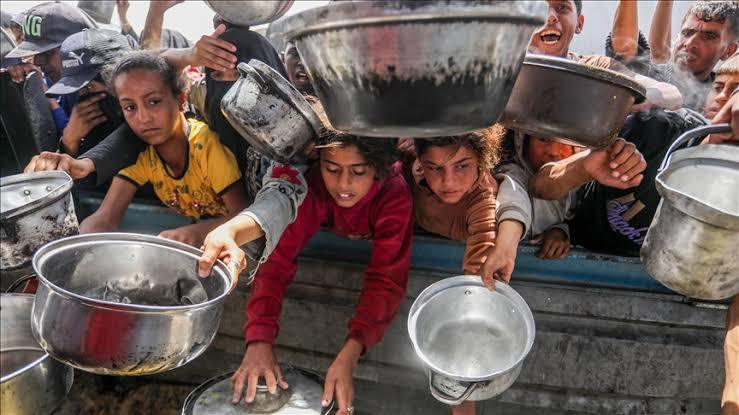
The humanitarian crisis in Gaza is deepening, with almost one in three people reportedly enduring days without eating. Malnutrition is spreading rapidly, and tens of thousands of women and children are in urgent need of medical treatment.
The number of deaths from malnutrition continues to rise, highlighting the severity of the situation. While authorities controlling access to Gaza insist there are no restrictions on aid, the growing hunger suggests otherwise.
In response to the worsening crisis, the UK has expressed interest in supporting airdrops of aid into Gaza. The government has faced increased pressure to take more decisive action, including from lawmakers calling for recognition of a Palestinian state. Aid airdrops, although considered a last resort by experts due to their inefficiency, are now being explored as a way to reach desperate civilians.
Efforts are also underway to evacuate children needing critical medical care. While some nations have announced plans to assist with aid drops, permissions and logistical challenges remain.
The deteriorating conditions have prompted strong international reactions. Several countries have called for the immediate lifting of restrictions on humanitarian aid and for an end to the ongoing conflict. These calls emphasize the need for all parties to respect international humanitarian obligations and ensure civilians are protected.
Global leaders have voiced frustration over what they see as widespread indifference and lack of meaningful action. Reports from the ground indicate a tragic pattern: civilians are being killed while attempting to collect food, and the civilian infrastructure has been devastated.
Eyewitnesses, including former contractors working in aid delivery, have described scenes of extreme violence, claiming that civilians have come under fire at food distribution sites. These accounts paint a grim picture of what many are calling indiscriminate use of force.
Negotiations for a ceasefire and the release of hostages appear to have stalled. Statements from involved parties suggest uncertainty and miscommunication, with some claiming talks are ongoing while others have withdrawn their negotiating teams.
The conflict began after a deadly attack that killed over a thousand people and led to the capture of hundreds of hostages. In response, a full-scale military offensive was launched, resulting in tens of thousands of deaths and widespread displacement.
A total blockade of aid deliveries earlier in the year led to warnings of famine from global experts. Although access has since been partially restored, the shortage of food, medicine, and fuel persists. Most of Gaza’s population has been displaced multiple times, and the vast majority of homes have been damaged or destroyed.
In a significant political development, one European country recently announced plans to formally recognize a Palestinian state later this year. This decision has intensified diplomatic tensions and added new urgency to international discussions about a two-state solution. In the UK, political leaders are facing similar pressure but have indicated that any recognition would need to be part of a broader peace strategy.
The human toll of the conflict continues to rise, with heartbreaking stories emerging from the ground: mothers caring for severely malnourished children, families mourning loved ones lost while searching for food, and communities struggling to survive amid destruction and despair.
Visit MDNtv YouTube Channel for our video content