
Grief and Outrage as Kenya’s Protest Death Toll Soars
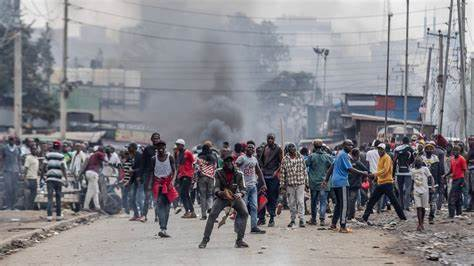
The mood across Kenya has turned from frustration to fury as the number of lives lost during Monday’s anti-government protests surged to 31, a sharp rise from earlier reports. The protests, which swept through the capital Nairobi and spread to several other cities, left more than 100 people injured and hundreds arrested.
Originally meant to honor Kenya’s long fight for democracy, the demonstrations quickly spiraled into chaos. The streets echoed with chants like “Ruto must go” and “one term,” as demonstrators demanded the resignation of President William Ruto. What began as peaceful protests ended in bloodshed across 17 counties.
The country has been on edge since last month, when a young blogger died while in police custody—a death that reignited the anger of a generation already weary of economic hardship and government distrust. Just a year ago, young Kenyans had taken to the streets in defiance of new taxes. Now, they were back, demanding justice.
Among those killed was a 12-year-old child, struck by a stray bullet while at home in Kiambu, a tragic symbol of how deeply the violence penetrated communities. Hospitals weren’t spared either—two were reportedly raided, with equipment stolen and staff attacked.
Eyewitnesses described scenes of destruction and fear. Looting was widespread. Public and private property was vandalized. The atmosphere was thick with tear gas, and many protesters claimed live ammunition had been used against them.
In the face of public outcry, authorities maintain that only 11 people died. But that figure has done little to ease the pain or stem the questions. Why were protesters met with such force? Who will answer for the blood on the streets?
Calls are growing louder for a full and independent investigation—not just into the killings, but into the arrests, the destruction, and the apparent use of state resources to intimidate and suppress opposition voices. Some opposition leaders accused the government of using unmarked vehicles to transport armed men into opposition strongholds during the protests.
They’ve called for a boycott of all businesses linked to the government, describing the administration as violent and unaccountable. “This regime is hostile. It cannot be reasoned with. It must be resisted,” they said in a joint statement.
Even Kenya’s Chief Justice has warned of the risks these rising tensions pose to the nation’s democratic foundation.
Behind the headlines, it’s clear that this movement is being driven largely by young people—Kenya’s so-called Gen Z—who have become the face of resistance. They are demanding better governance, transparency, and a future free from fear.
In just one day, on June 25, at least 19 people lost their lives in similar protests. Now, with more than 140 killed in demonstrations since last year, the nation’s wounds are deepening.
The message from the streets is no longer just about taxes. It’s about justice. It’s about survival. And it’s about a generation refusing to be silenced.