
Trump Claims Israel Has Accepted Conditions for 60-Day Gaza Ceasefire, But Doubts Remain
US President Donald Trump announced that Israel has agreed to the necessary terms for a 60-day ceasefire in Gaza, raising hopes of a pause in the ongoing conflict. In a post on his social media platform, he said the US would work with all sides to end the war, urging Hamas to accept the deal, warning it “will not get better – it will only get worse.”
Despite this announcement, Israel has not officially confirmed its acceptance of the conditions. On the other side, Hamas has indicated a willingness to consider a deal—if it leads to a full end to hostilities. A Palestinian official familiar with negotiations said the latest offer mirrors previous ones that Hamas rejected in June and does not address their core demands.
Hamas insists that any agreement must include an end to Israeli military action, withdrawal of troops, and immediate humanitarian relief for civilians in Gaza. While some Israeli officials have expressed openness to a deal—particularly one that secures the release of hostages—others remain cautious.
There are currently around 50 hostages still believed to be in Gaza, with more than 20 confirmed to be alive. Their plight has fueled growing public pressure within Israel, where many citizens want the war to end, even as distrust in Prime Minister Benjamin Netanyahu persists.
Trump’s statement comes ahead of a planned meeting with Netanyahu next week, where he said he would be “very firm” about achieving a truce. He claimed Netanyahu is ready for a ceasefire, saying, “I think we’ll have a deal next week.”
However, from the Palestinian side, hopes are low. Discussions continue in Cairo, where Hamas’s representative is meeting with Egyptian and Qatari mediators. According to Palestinian sources, no new proposals have emerged—only reworked versions of previously rejected frameworks that still fall short of Hamas’s key demands, including permanent ceasefire guarantees and a full Israeli military withdrawal.
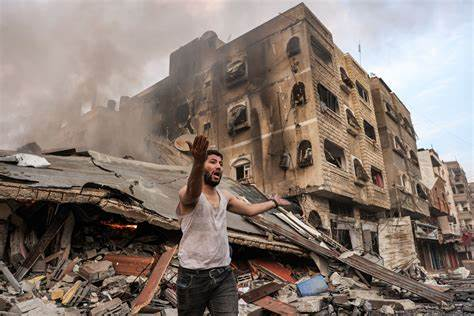
Meanwhile, the humanitarian situation in Gaza remains dire. At least 20 people were killed in an Israeli airstrike on a beachfront cafe in Gaza City earlier this week. Overall, more than 56,000 Palestinians have died since the war began in October last year, according to Gaza’s health authorities.
Concerns have also been raised about the high number of civilian deaths near aid distribution centers. Reports say over 400 people have died attempting to access food and supplies, leading many aid organizations to demand the shutdown of the controversial Gaza Humanitarian Foundation. While Israeli officials deny firing on aid seekers and accuse Hamas of obstructing aid, humanitarian groups claim otherwise.
A previous ceasefire deal in January fell apart before reaching its second phase, which was supposed to include a permanent end to fighting and a full Israeli withdrawal. Whether the current talks can succeed where others have failed depends largely on whether both sides are willing to compromise—and if the international community can help bridge the widening gap between them.