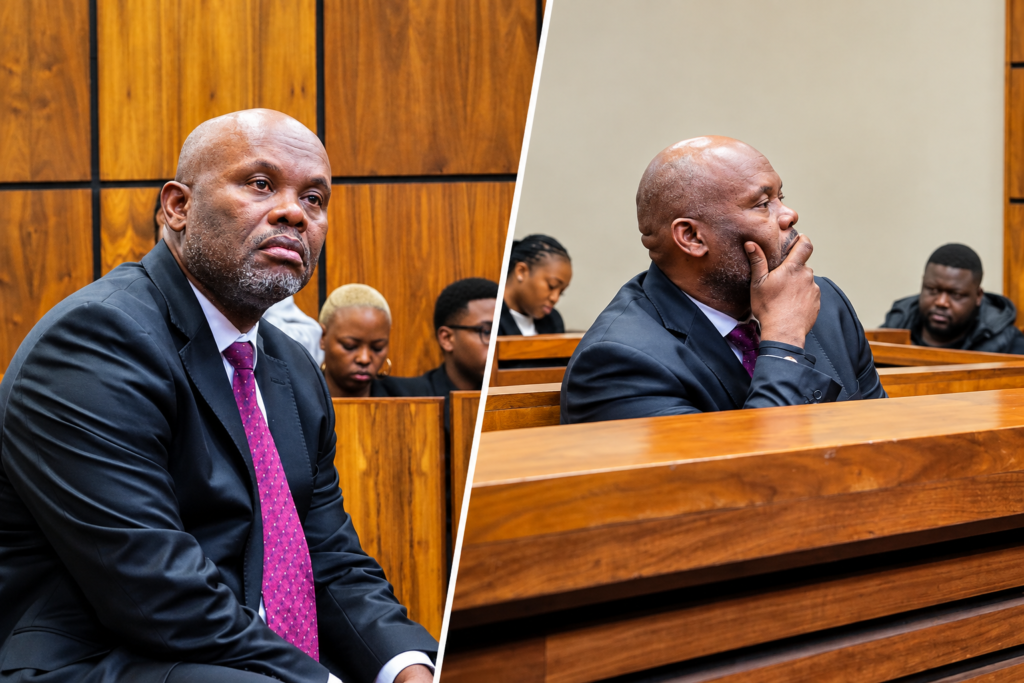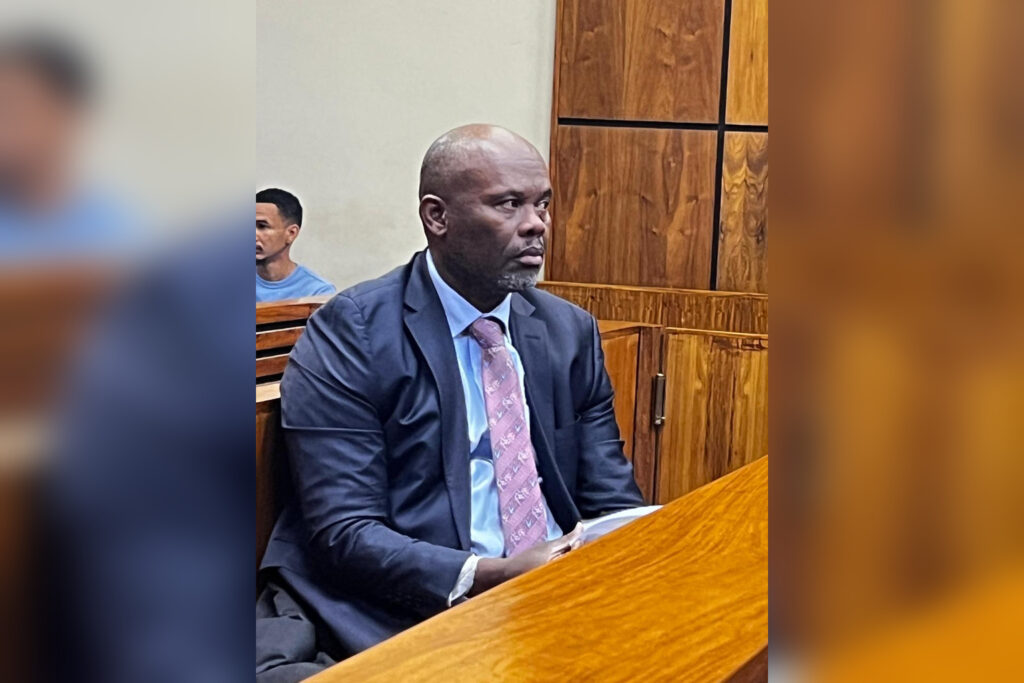
SIBIYA CASE: The 51-Minute WhatsAppCall at the Centre of a Fierce EvidenceDispute
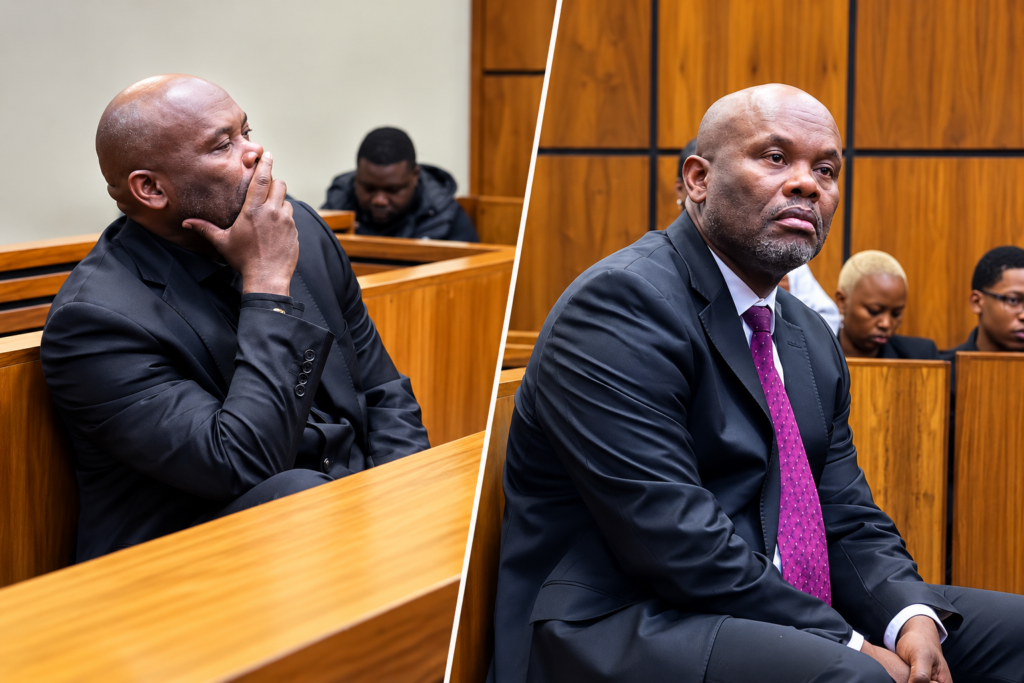
The State says the call forms part of the context for an alleged request for explicit
material. The defence is attacking the chronology and what the communications
actually prov
RANDBURG – A 51-minute WhatsApp call between Lieutenant-General Shadrack Sibiya and the
16-year-old complainant identified as ZM has become one of the most closely contested pieces of
evidence emerging from his bail proceedings.
The State has relied on the call as part of its case that Sibiya allegedly engaged in sexually explicit
communications with the teenager and requested explicit videos from her.
Investigating officer Detective Sergeant Nokukhanya Ndlovu told the Randburg Magistrate’s Court that
the call formed part of the communications she considered when compiling her affidavit and assessing
the allegations.
During cross-examination, however, Sibiya’s defence attacked the chronology of the State’s account
and questioned whether the written sequence demonstrates that he requested a video allegedly sent by
ZM on 24 July 2026.
The State’s version
According to evidence presented by the investigating officer, Sibiya allegedly asked ZM during the
lengthy WhatsApp call about her sexual activity, told her not to date anyone else and requested that she
send him explicit videos. The allegations remain disputed.
The later ‘promise’ exchange
The court was also taken through a later exchange in which Sibiya allegedly told ZM that he
remembered she had promised him something. According to the State witness, ZM responded that she
would keep her promise.
Defence: where is the immediate request?
The defence focused on the wording and sequence of the investigator’s affidavit. Counsel argued that
when the account reaches 24 July, the paragraph begins with ZM allegedly sending a video and does
not set out an immediately preceding request from Sibiya on that date.
Witness rejects unsolicited-video suggestion
Ndlovu rejected the implication that the video was simply volunteered without prior prompting. Her
evidence was that the earlier 51-minute call and subsequent messages provided the context for the
later transmission.
Why the distinction matters
The disagreement illustrates a broader battle over how the electronic communications should be
interpreted. The State asks the court to consider the messages and calls as a connected sequence. The
defence is testing whether individual allegations are actually supported by the precise chronology and
content of the communications
Not a finding of guilt
The evidence is being ventilated during a bail application, not a criminal trial. The court has not made a
finding that Sibiya committed the alleged offences. His defence disputes the allegations and continues
Legal note: The allegations described in this article are before court. Sibiya disputes the allegations against him. Bail
proceedings do not determine guilt, and all accused persons are presumed innocent until proven guilty.
- 51-minute WhatsApp call, Nokukhanya Ndlovu, Randburg Magistrates’ Court, Shadrack Sibiya, Shadrack Sibiya case, Sibiya allegations, Sibiya bail application, Sibiya bail hearing, Sibiya court proceedings, Sibiya criminal case, Sibiya evidence dispute, Sibiya WhatsApp evidence, WhatsApp communications evidence, ZM WhatsApp call