
‘I Did Nothing for It’: Taxi Boss Joe Sibanyoni Grilled Over R2.29m Tender Payments
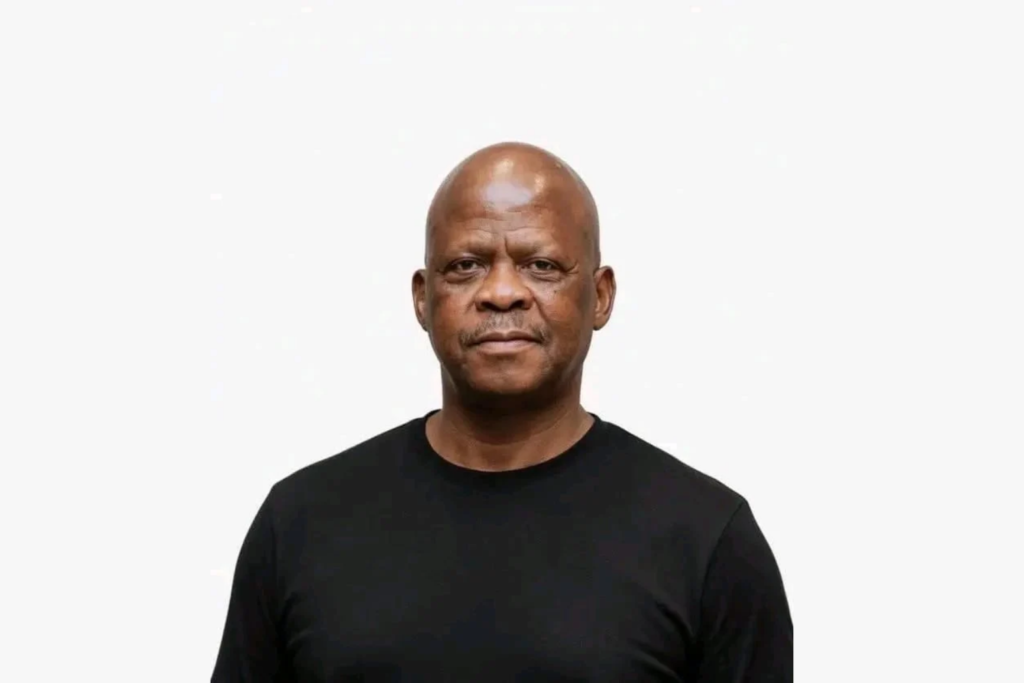
Prominent Mpumalanga taxi boss Joe “Ferrari” Sibanyoni faces intense scrutiny at the Madlanga Commission of Inquiry after admitting he pocketed R2.29 million from a subcontractor, Dr Tengane Thomas Ntuli, despite performing absolutely no work to earn it.
Sibanyoni, the president of the South African Local and Long-Distance Taxi and Bus Organisation, testified that he received R100,000 per month from Ntuli, whose company supplied aggregate stone for the R3.7 billion Moloto Road upgrade project.
While Ntuli has opened a criminal case accusing Sibanyoni of running a protection racket and extorting the funds, Sibanyoni strongly denied the extortion allegations.
He maintained that the monthly transactions were part of a legitimate “business partnership”.
Defending the massive financial gains, Sibanyoni argued that tender laws mandate a 30% local content requirement.
He claimed that because Ntuli was not originally from the Kwaggafontein area, he legally required a local partner like himself to qualify for the multi-million rand subcontract.
However, his justification quickly fell apart under cross-examination by the Commission’s evidence leaders.
When pressed to cite or point to the specific legal regulation or procurement framework that outlines this rule, Sibanyoni admitted he did not know the law.
Commissioners directly corrected the taxi mogul, clarifying that public procurement laws referencing a 30% subcontracting or local content allocation are explicitly designed to create jobs and financial returns for local communities and small businesses—not to be funnelled into the bank account of a single, powerful individual.
The climax of the day’s proceedings arrived when Sibanyoni was questioned about his practical day-to-day role in the project.
The inquiry asked what physical services, management, or labour his transport company provided to justify the R100,000 monthly payouts.
Sibanyoni conceded that he performed no work or services for the tender, essentially confirming that he benefited strictly from his status as a local figurehead.
While Sibanyoni maintains that this was a mutually agreed-upon business venture, evidence leaders highlighted affidavits and recovered WhatsApp communications from his associates that allegedly show threats to disrupt Ntuli’s mining operations whenever payments were delayed.
The Commission continues to investigate how deeply these alleged procurement cartels have impacted major infrastructure projects in South Africa.




Extra Shifts, Extra Work—But Where Is the Money?