
30,000 Kenyans Face Mass Deportation Amid U.S. Immigration Crackdown
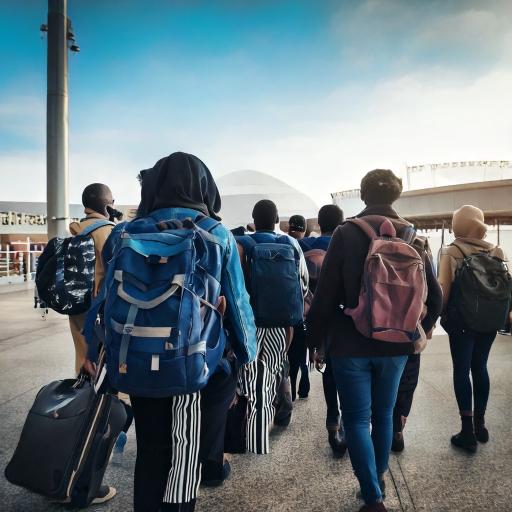
The U.S. immigration landscape is seeing significant changes as Donald Trump’s recent campaign promises echo his previous administration’s strict policies. Nearly 30,000 Kenyans now find themselves at risk of deportation, making this one of the largest potential mass deportations of African nationals in recent U.S. history. During Trump’s 2024 campaign ,he promised widespread immigration enforcement that have cause renewed anxiety to immigrant communities.
Background: U.S. Immigration Policies
During Trump’s previous term, Immigration and Customs Enforcement (ICE) conducted numerous operations targeting undocumented immigrants. The administration ended DACA protections, affecting thousands of young immigrants. Many Kenyans in America began their journey with valid visas for education or tourism, but various circumstances led to overstaying these documents.
Details of the Deportation Threat
Most affected Kenyans went to the U.S. as students or tourists. Current data shows that visa overstays comprise about 62% of the affected population. Trump has mentioned using military resources for mass deportations, suggesting a potential deployment of federal forces for this operation.
“I never thought my American dream would end like this. I’ve built a life here for 15 years, started a family, and now everything is uncertain,” shares John, a Kenyan small business owner in Boston.
Personal Stories: Humanizing the Issue
Meet Sarah, a nursing student in Texas who arrived eight years ago. She’s now in her final semester but faces possible deportation before graduation. “I’m so close to becoming a registered nurse, to giving back to this community that became my home,” she says. Many others share similar stories – parents of U.S.-born children, business owners, and community leaders who’ve built their lives here.
Kenyan Government’s Response
Kenya’s Ministry of Foreign Affairs has expressed concern about the potential mass deportations. They’ve established a task force to assist affected citizens and are in diplomatic talks with U.S. officials. The Kenyan embassy in Washington has started hosting information sessions for their citizens.
International and Domestic Reactions
- Human rights organizations like Amnesty International have criticized the proposed deportations
- The Congressional Black Caucus has raised concerns about targeting African immigrants
- Local community organizations are organizing legal clinics and support groups
- Many Americans have shown support through protests and letter-writing campaigns
Economic and Social Implications
Kenya receives approximately $3.7 billion in remittances annually, with a significant portion coming from the U.S. Mass deportations could severely impact this economic lifeline. Returnees may face challenges finding employment and housing in Kenya, especially after years or decades abroad.
Legal and Advocacy Options
Available Legal Resources:
- Free legal clinics offered by immigration nonprofits
- Pro bono immigration attorneys
- Community organizations providing documentation assistance
- Church groups offering sanctuary and support
Conclusion: Broader Implications and Moving Forward
This situation tests not only U.S. immigration policies but also the strength of U.S.-Kenya relations. Both governments need to work together to find humane solutions. If you’re affected or want to help, contact local immigration advocacy groups or your congressional representatives.
“The strength of America has always been its immigrant communities. We must find a way forward that respects both our laws and our shared humanity.”